Choose the material for its use conditions. A clear appearance is only one part of the decision.
Compare weight at the same size and thickness
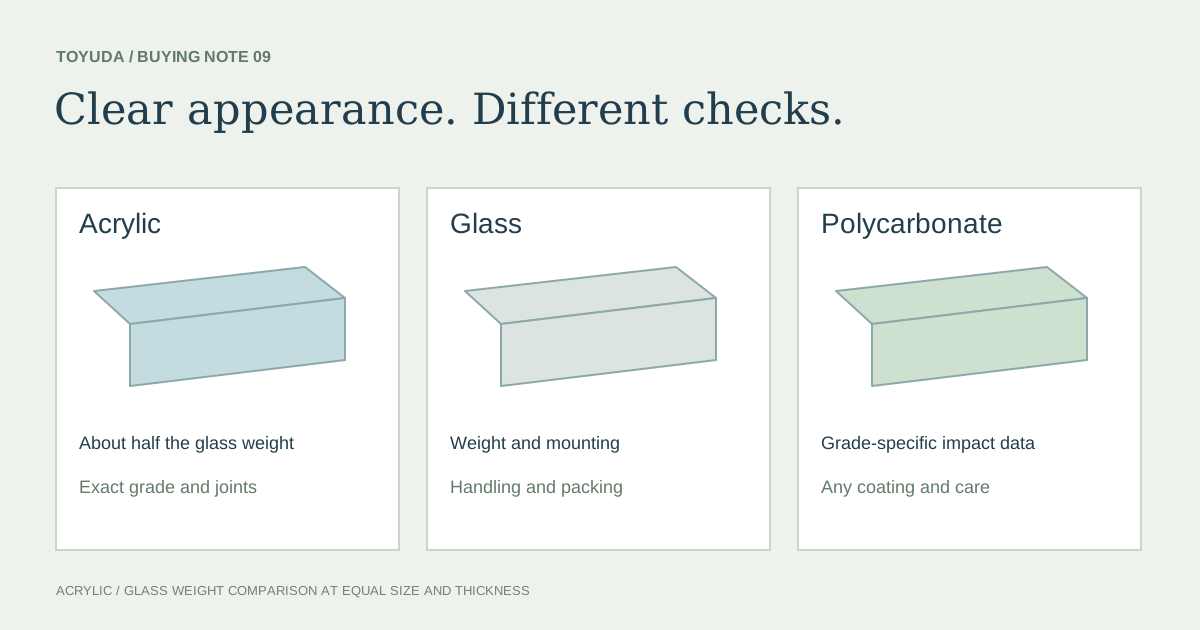
Acrylic suits projects that need a clear display and relatively low weight. At the same size and thickness, ordinary acrylic sheet weighs about half as much as glass. That difference affects handling and the design of the display structure.
Check the actual grade and surface finish
Scratch resistance depends on the actual material. A published pencil-hardness comparison reports 5H for a particular acrylic material and HB for the compared polycarbonate. Those values apply to that comparison; request data for the grades under consideration and check hard-coated products separately.
Evaluate the real application
A static display box and a guard exposed to frequent knocks need different evaluation criteria. The box may put display quality first; the guard also needs checks of impact performance and the requirements of its intended use.
| Decision | Check |
|---|---|
| Weight | Equal size and thickness; mounting and handling |
| Scratch resistance | Exact grade, pencil-hardness data and coating |
| Impact exposure | Static display or frequent knocks; suitable performance data |