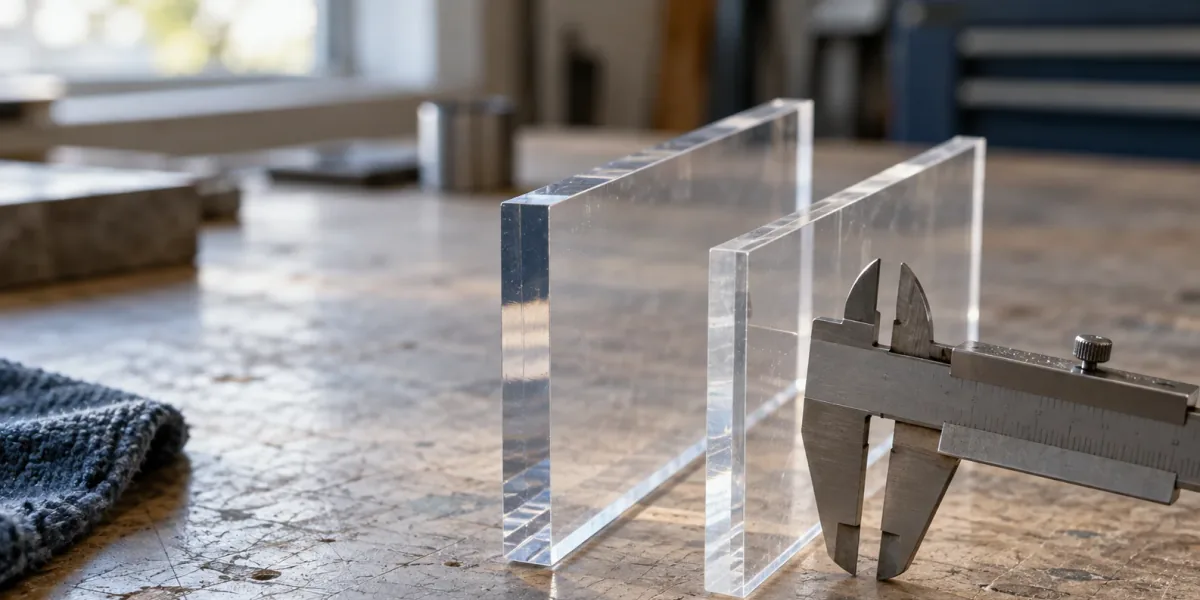
Cast or extruded acrylic? Start with the part.
Two clear sheets can look alike and behave differently in production. Learn which questions belong in your material brief.
In-depth acrylic guideRead guide
Understand acrylic materials and the decisions behind a well-made display. Each illustrated guide links to the technical guidance used to prepare it.
Two clear sheets can look alike and behave differently in production. Learn which questions belong in your material brief.
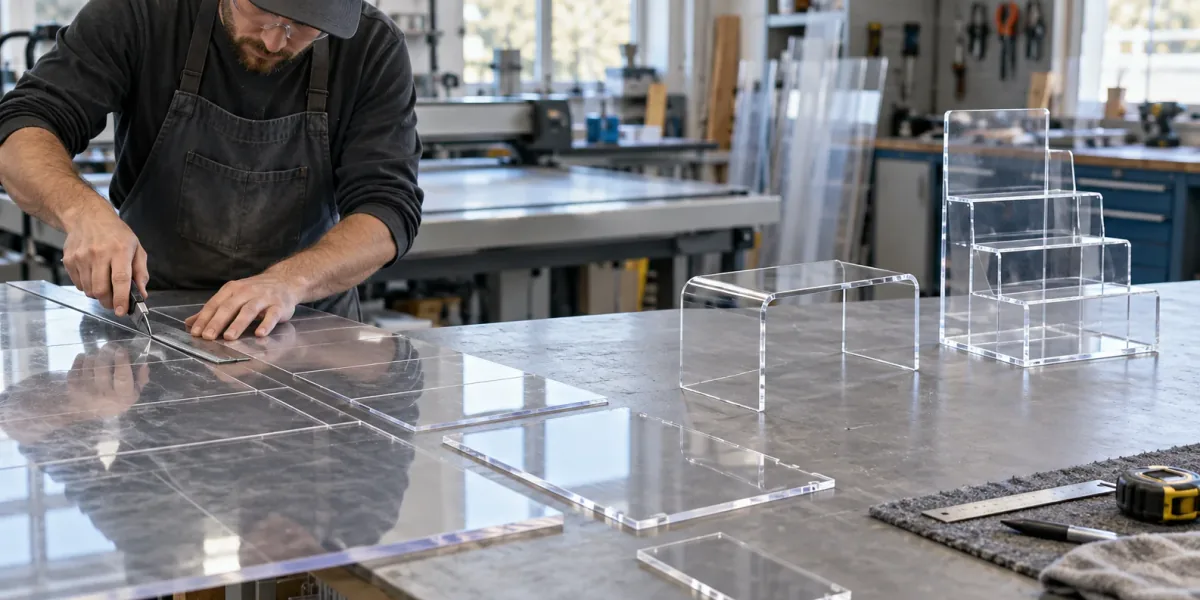
Cutting, edge finishing, bending and joining each leave their mark on an acrylic product. Here is how the stages connect.
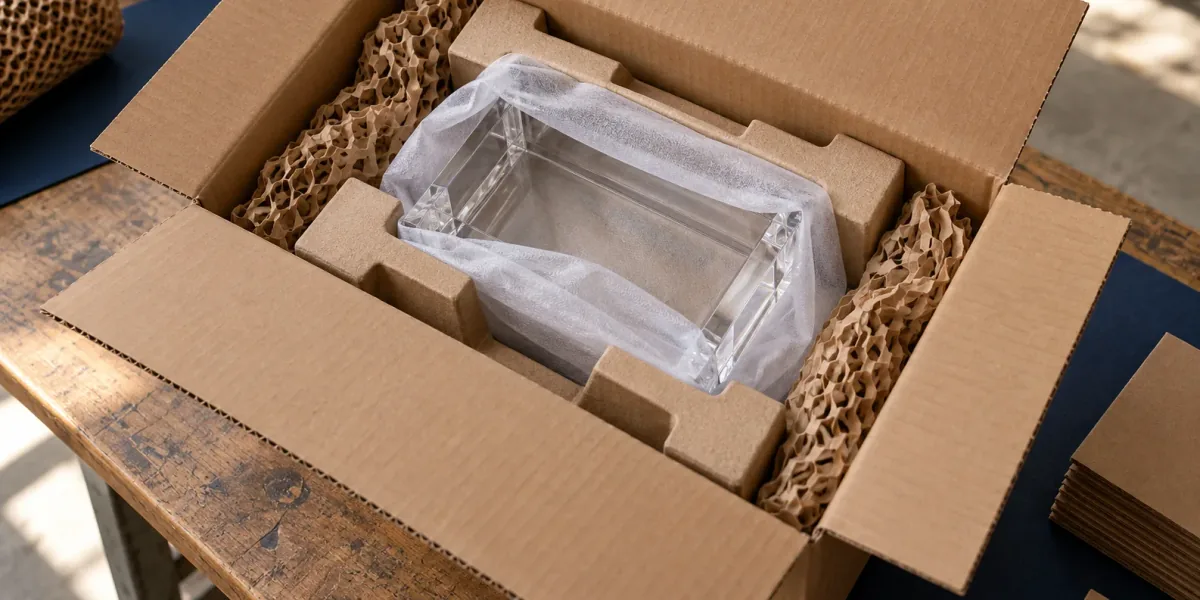
A presentation box and a shipping pack solve different problems. Explore surface protection, restraint, cushioning and the outer carton.
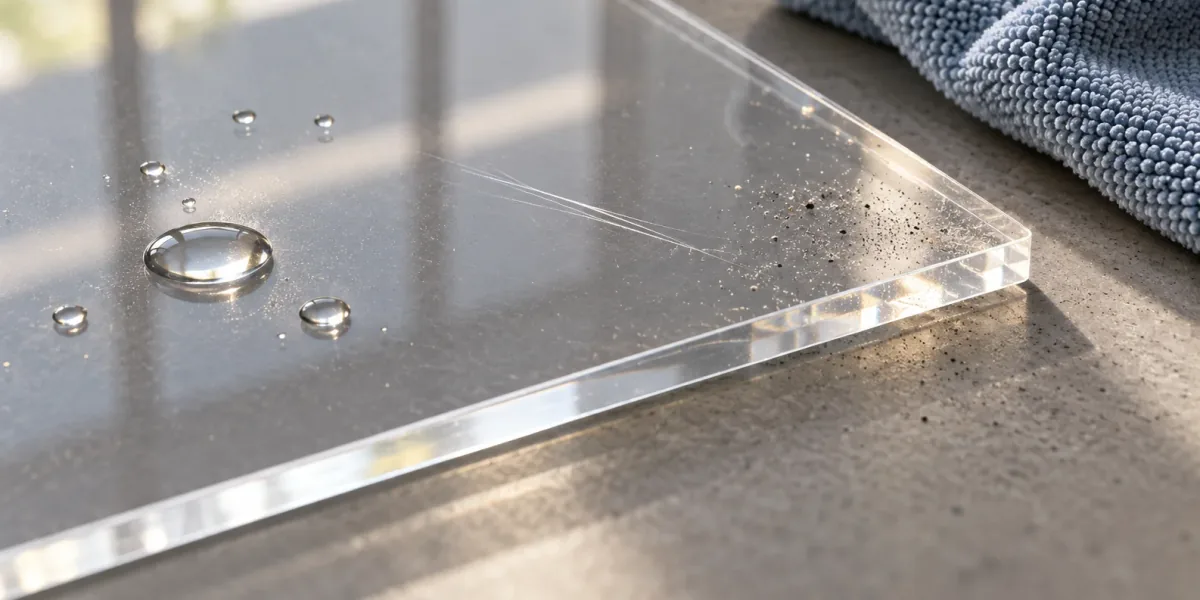
A practical acrylic-care guide that separates loose dirt, abrasion and fine cracking before you reach for a cleaner.
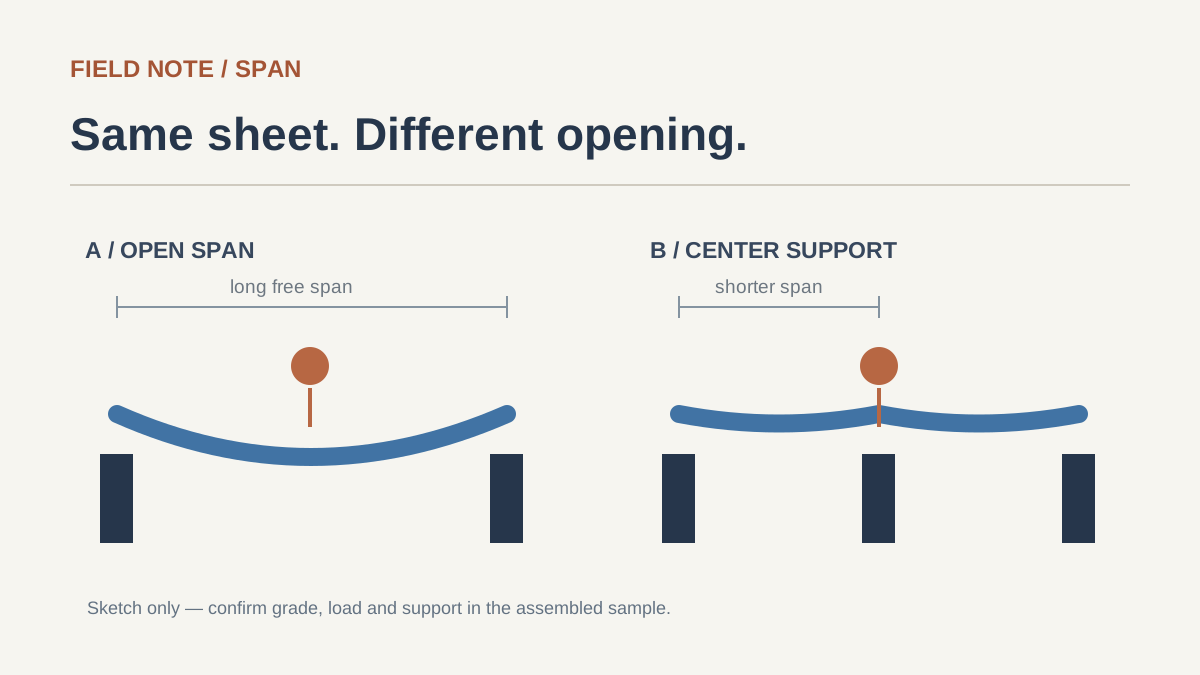
A 5 mm sheet can feel solid in one display and bend in another. The opening, load and support detail explain why.
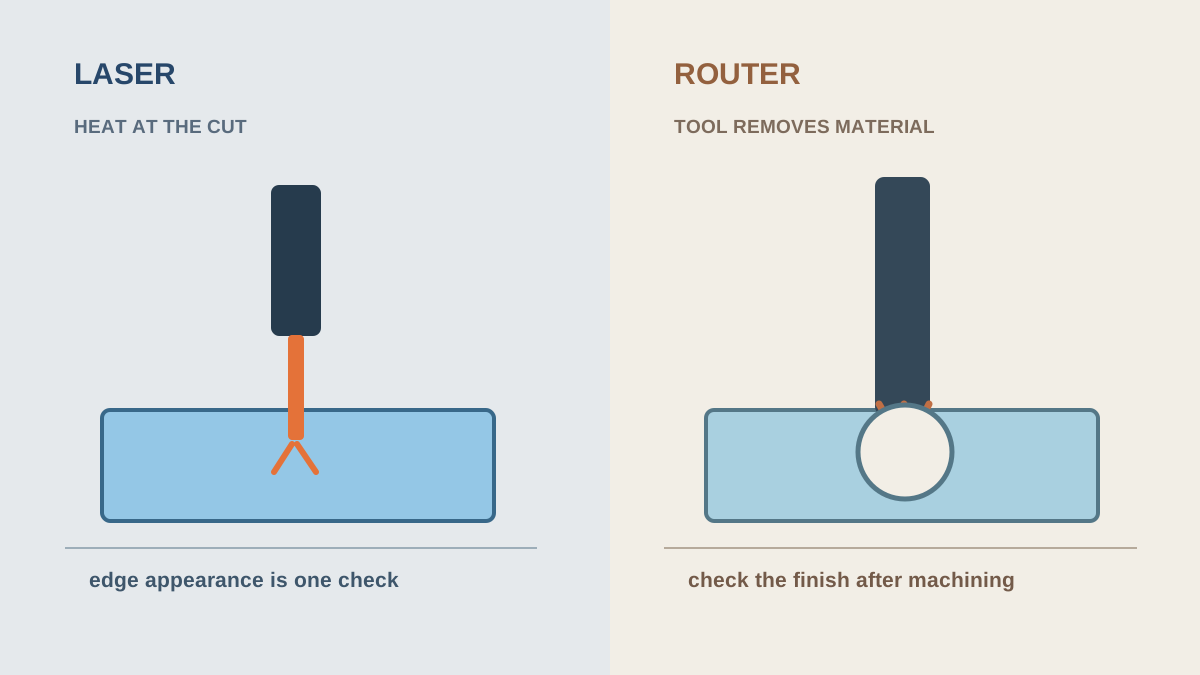
A glossy first edge can be misleading when the acrylic will later be bent, joined or fitted into another part.
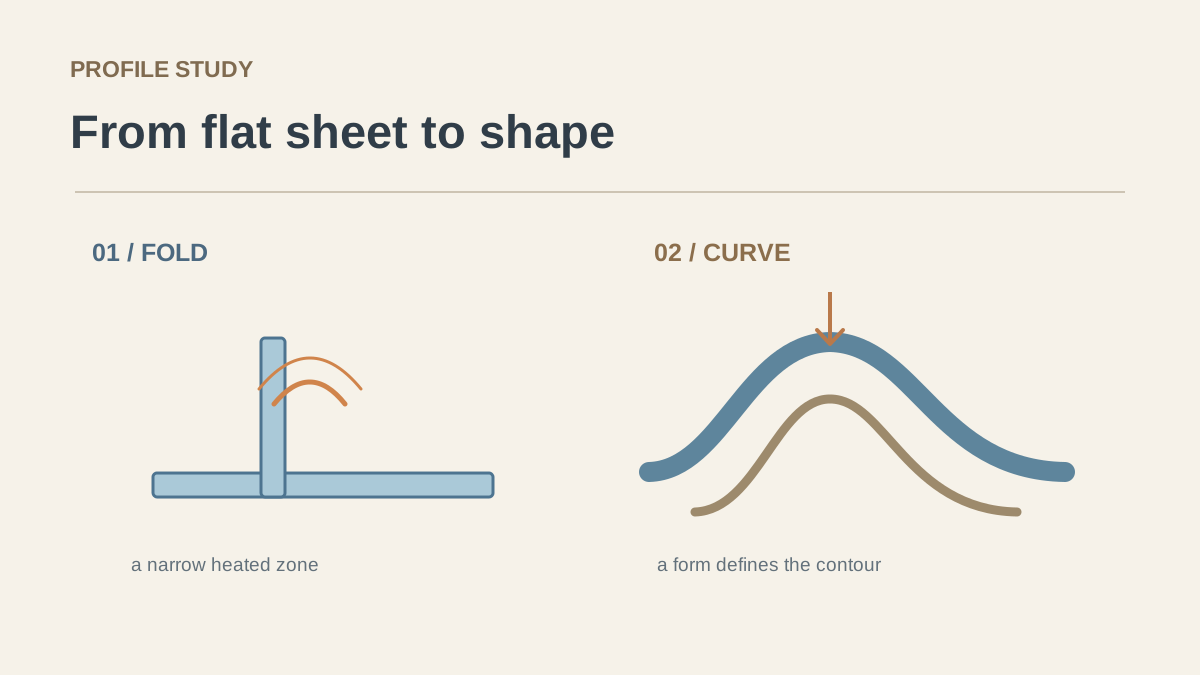
A folded counter sign and a shaped cover begin with different drawings, heating methods and sample checks.
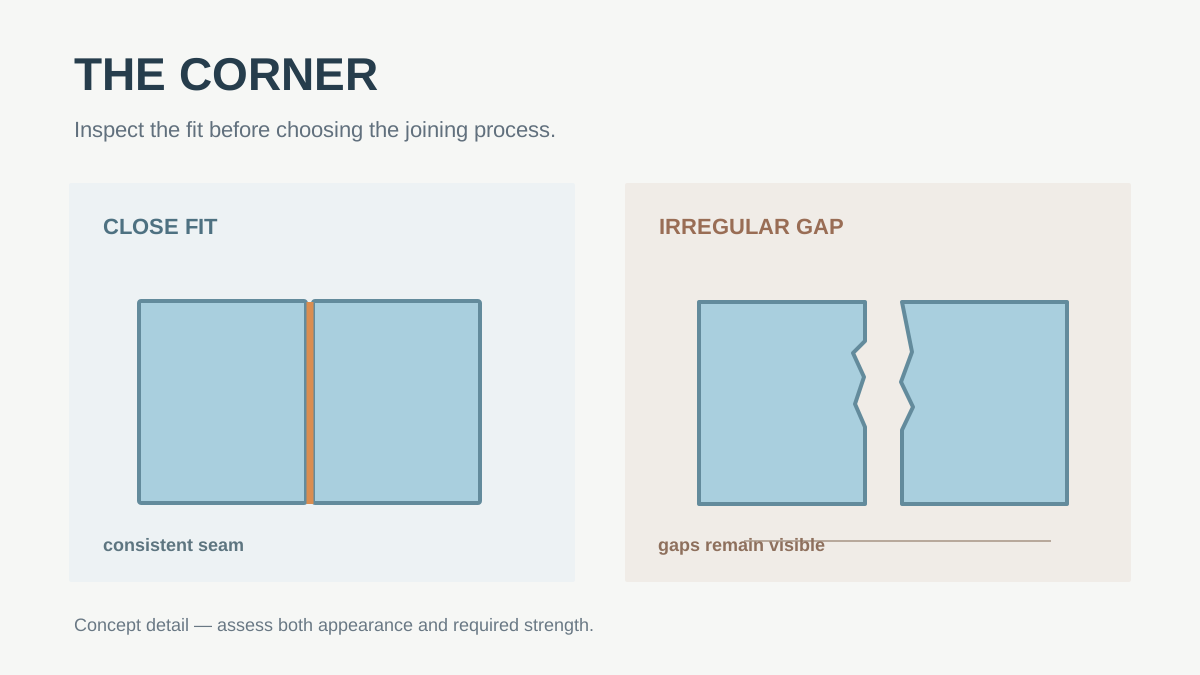
Before choosing a cement, look at the two edges that need to meet and the seam the customer will see.
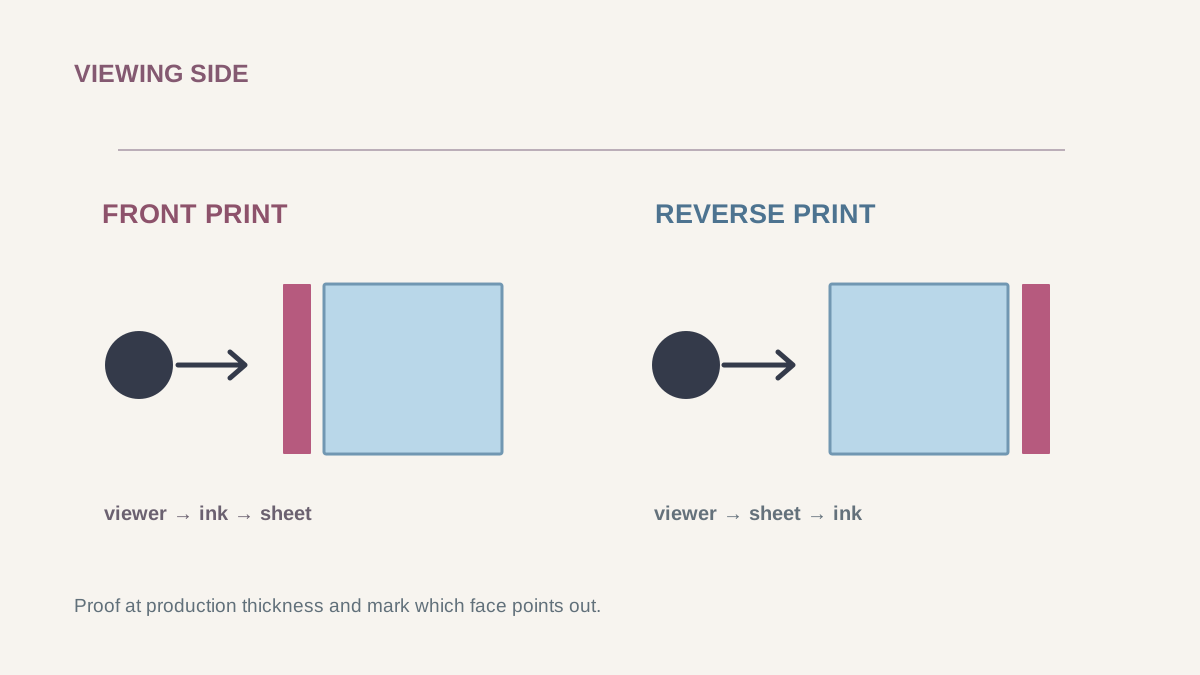
Front and reverse printing change the viewing order, surface exposure and artwork proof you need to approve.
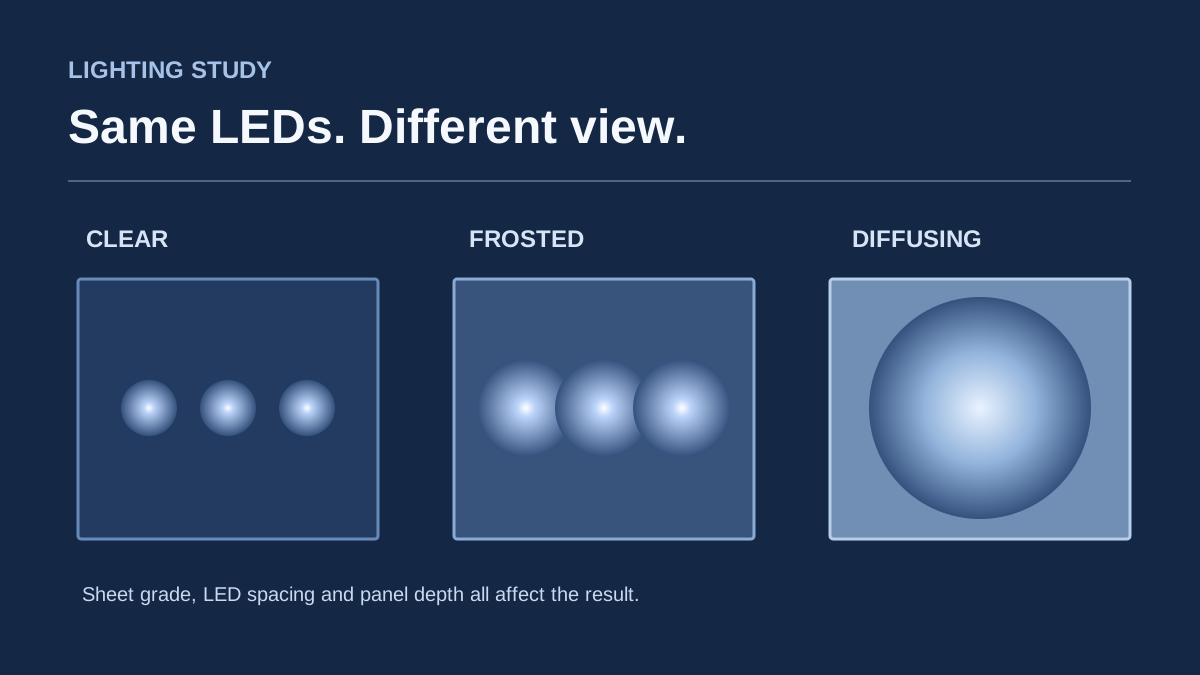
An even glow depends on the sheet, LED spacing and the space behind it—not a finish name alone.
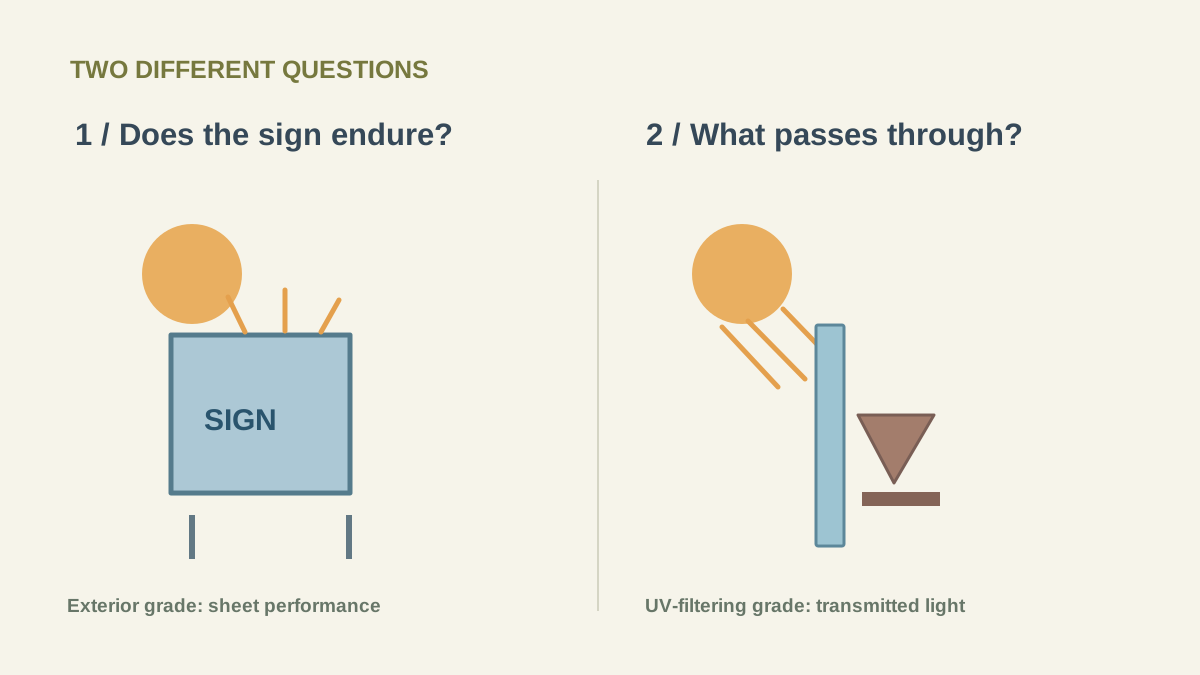
One requirement concerns how the sheet survives sunlight; the other concerns what passes through to the object behind it.

A short, specific cleaning handover prevents the most common confusion between acrylic, glass and decorated surfaces.
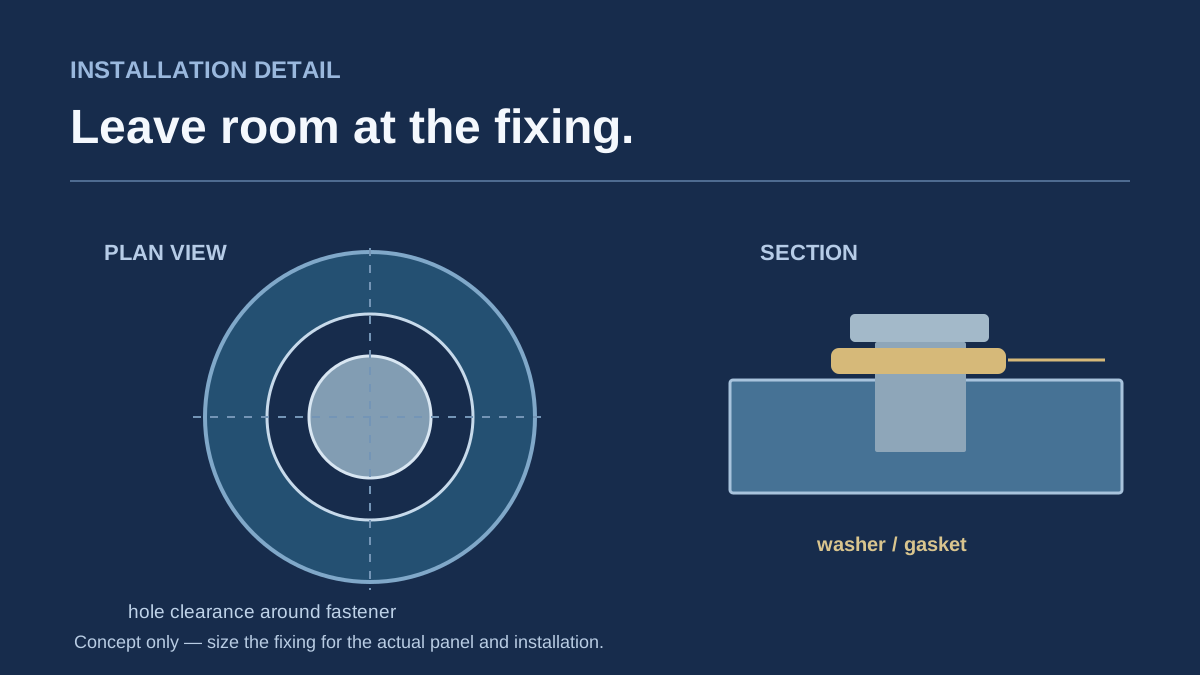
Holes, edge distance, washers and installation clearance all belong on the acrylic panel drawing.