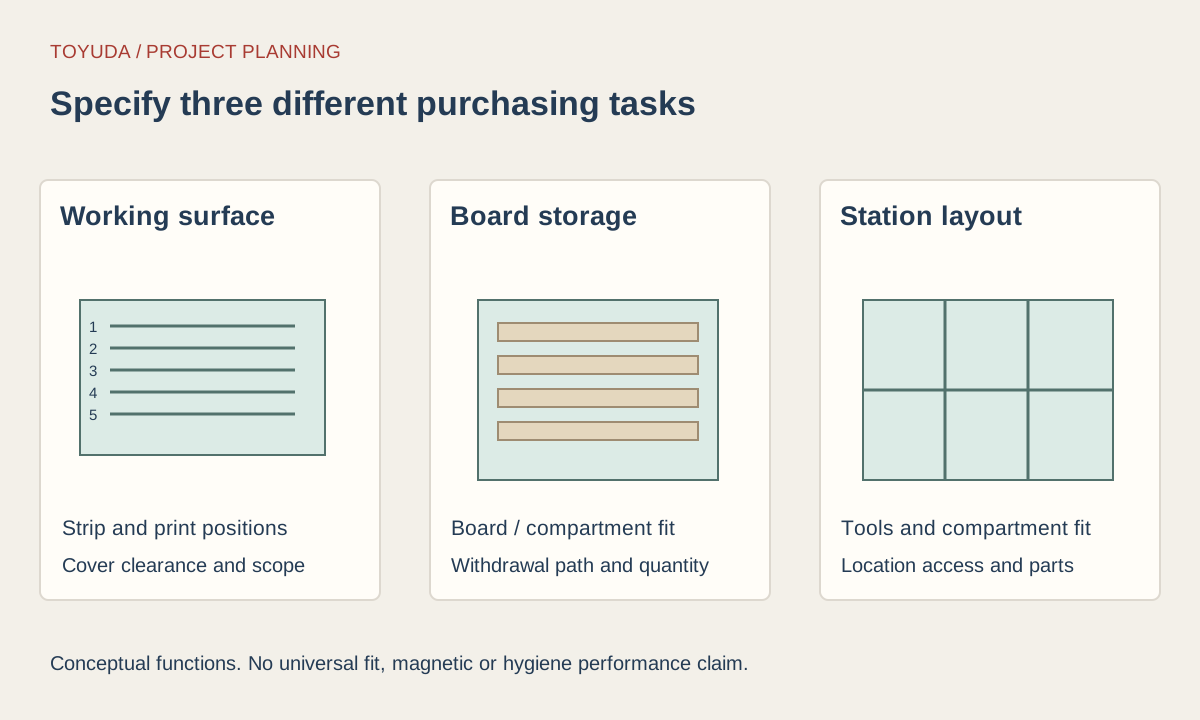
Specify a covered tweezer case around the actual tools, retaining arrangement and opening clearance. Check the closed case and the access routine separately, including whether the tool tips contact the case.
Map the whole tool, especially the tip
List every intended tool by model and revision. Record its closed outline, widest body section, curved or angled tip and any sleeve that will stay fitted. Two tools of equal overall length may need different positions inside a case.
Mark the areas that may contact the holder and the areas that should stay clear. Ask the tool owner to define any tip-protection requirement. A generic length measurement cannot explain where a curved tip sits relative to the bottom or lid.
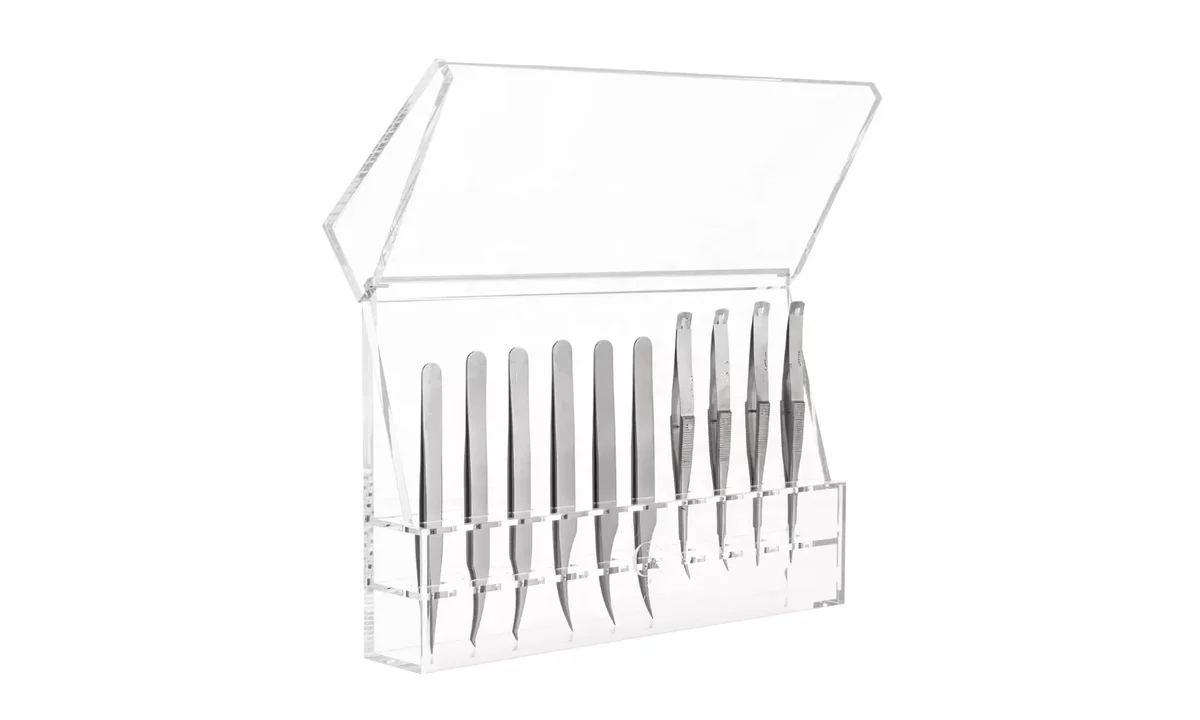
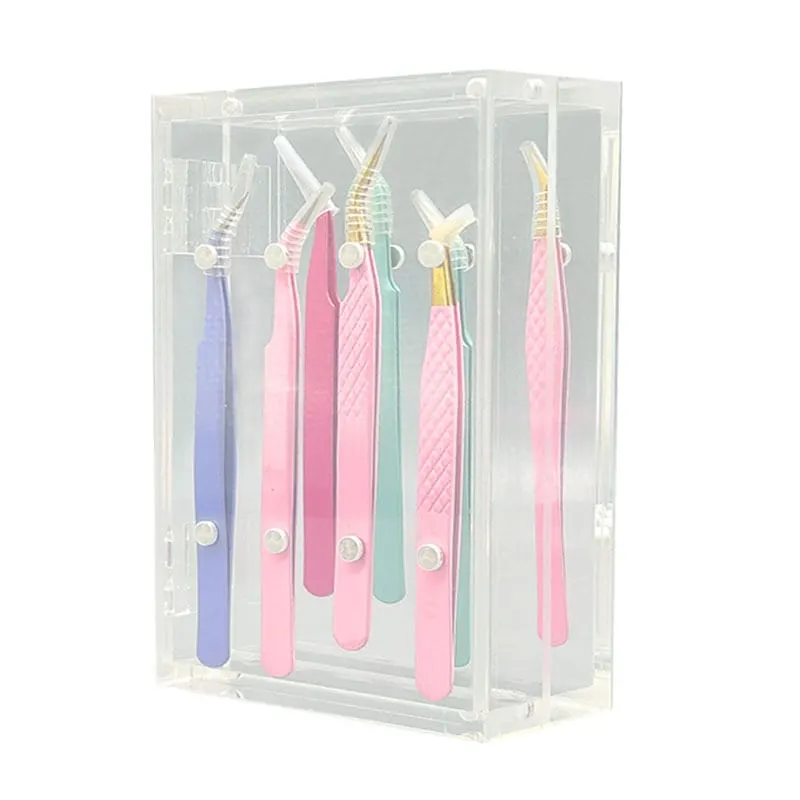
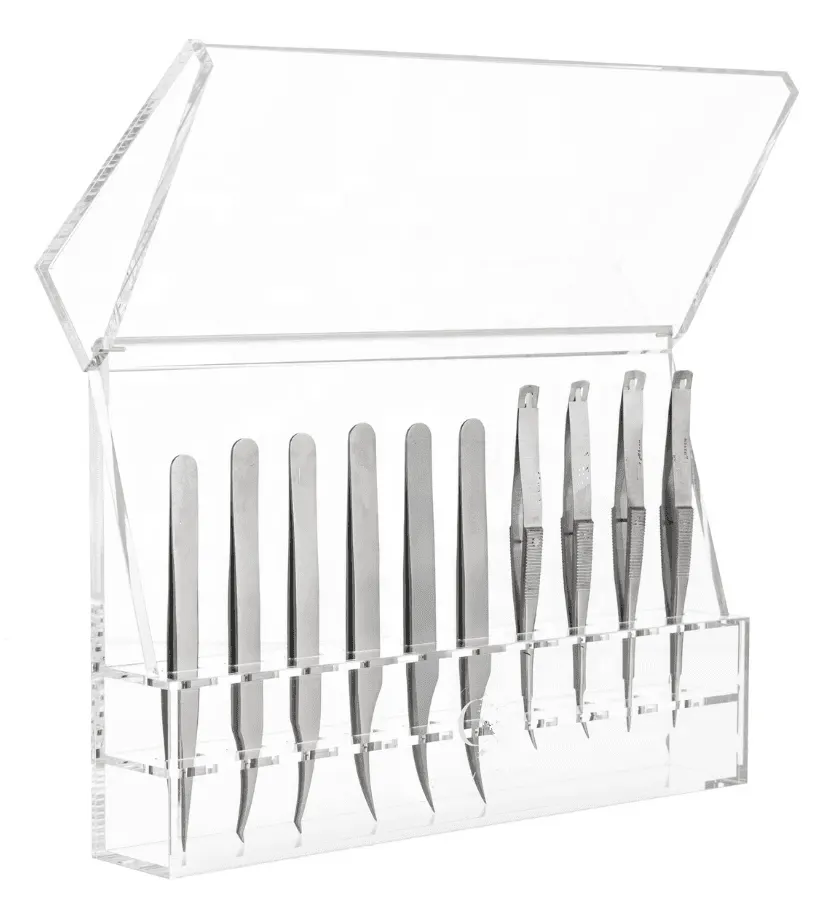
The clear reference shows several tool profiles in one covered holder. Use it to discuss spacing and clearance. It does not prove that the tools in your set share the same fit or that the displayed arrangement is approved for transport.
Confirm what holds each tool in position
Identify the actual retaining method with the supplier: a shaped slot, support feature, magnetic contact or another construction. A clear photograph may show where a tool rests while leaving the retention details uncertain.
For a magnetic version, assess the actual tool and contact orientation. Record where it meets the holder and how it is released. Do not assume that a magnetic feature behaves the same way with every metal tool.
Check neighboring positions as a set. Retrieving one tool should be reviewed for contact with adjacent handles and tips. Record any empty positions needed for access instead of describing every visible slot as usable capacity.
Check the lid path with the tools in place
Draw or photograph the closed position and the full opening path. Mark the closest approach between lid, hardware and tools. Include the case location on the workstation so nearby shelves or bottles are part of the access check.
Trial removal and replacement with the proposed tools. Record the hand approach, any contact at the opening and whether the tool returns to its intended position. Review a revised tip or handle shape before accepting it as an interchangeable replacement.
A lid is a physical cover. It does not establish a sterilization process or a validated hygiene claim. Keep cleaning instructions tied to the finished case materials, decoration and fittings.
| Use | Question to confirm | Evidence to retain |
|---|---|---|
| Stationary storage | Are tips clear when the lid is shut? | Tool IDs and closed-case photo |
| Routine access | Can each tool be removed and returned? | Opening path and contact observations |
| Carrying | What retains tools and keeps the case closed? | Agreed method and actual sample findings |
| Shipping | Which parts are supplied and protected? | Pack-content list and packing arrangement |
Separate storage, carrying and shipping decisions
State whether the case will remain on a workstation, move between rooms or travel inside another bag. These are different uses. Agree how closure, internal retention and outer protection will be reviewed for the intended routine.
Record observations from the agreed sample check rather than assigning a universal carrying rating. If tools shift or contact the case during that check, keep the finding open until the proposed change has been assessed.
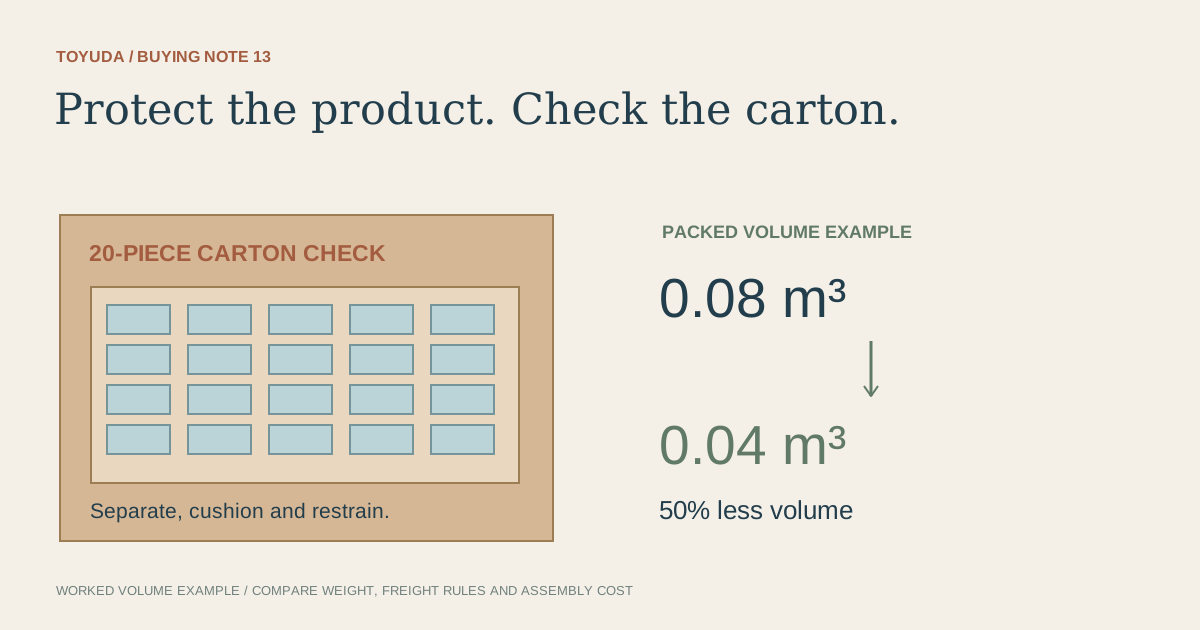
Shipping protection is a further decision. Confirm whether tools are included, how individual parts are restrained and what the outer pack contains. A closed display lid alone does not describe a complete transit pack.
Download the project record
Use this blank record to prepare the enquiry and capture the agreed sample review. Unknown measurements and unchecked results should remain open until they are confirmed.
Covered Tweezer Cases: Clearance, Retention and Transit
Tool model IDs, revisions and closed profiles:
Permitted contacts and tip-clearance requirements:
Case reference, revision and internal positions:
Retaining method and actual tool/contact orientation:
Lid motion and workstation access limits:
Stationary/carrying use and agreed review method:
Observed contacts, movement and unresolved points:
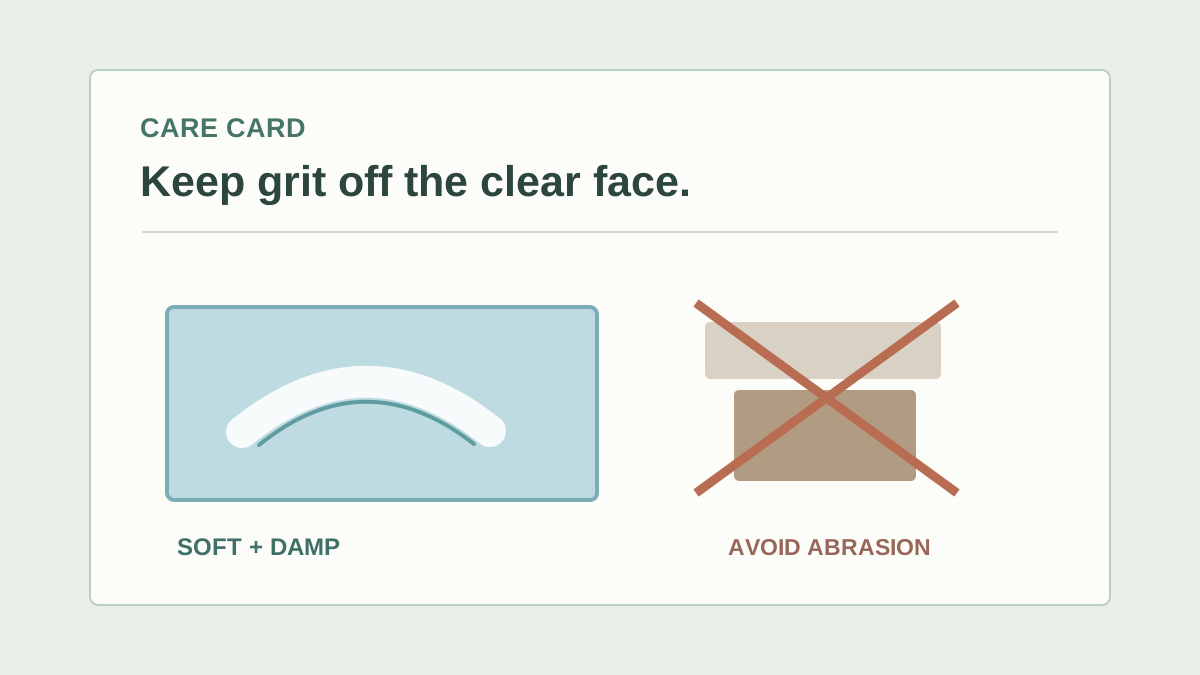
Finished-product care instructions:
Tool inclusion, individual restraint and outer pack:
Sample decision, quantity and destination:
Download this blank project record (.txt). Mark unknown entries “To confirm” and retain the approved revision.
For the wider workstation, compare lash tiles, boxes and organizers and the cart layout guide. Confirm care for the finished assembly separately.
Two specification questions
Does a lid give the case a sterilization function?
No. A physical cover is not evidence of sterilization.
Does a covered holder automatically suit travel?
No. Confirm the closure, tool retention and protective pack for the intended carrying routine.
Send the tool profiles and intended storage or carrying routine. TOYUDA is a trading and supply-chain coordination partner and can coordinate the specification and sample review with suitable suppliers.
Apply this guide to your project brief
Use the completed specification record to review the selected reference with its actual contents and site.
- Beauty tool storage references
Compare the proposed format, dimensions and sample review scope.
Prepare your quantity, artwork and delivery details before requesting a quotation.