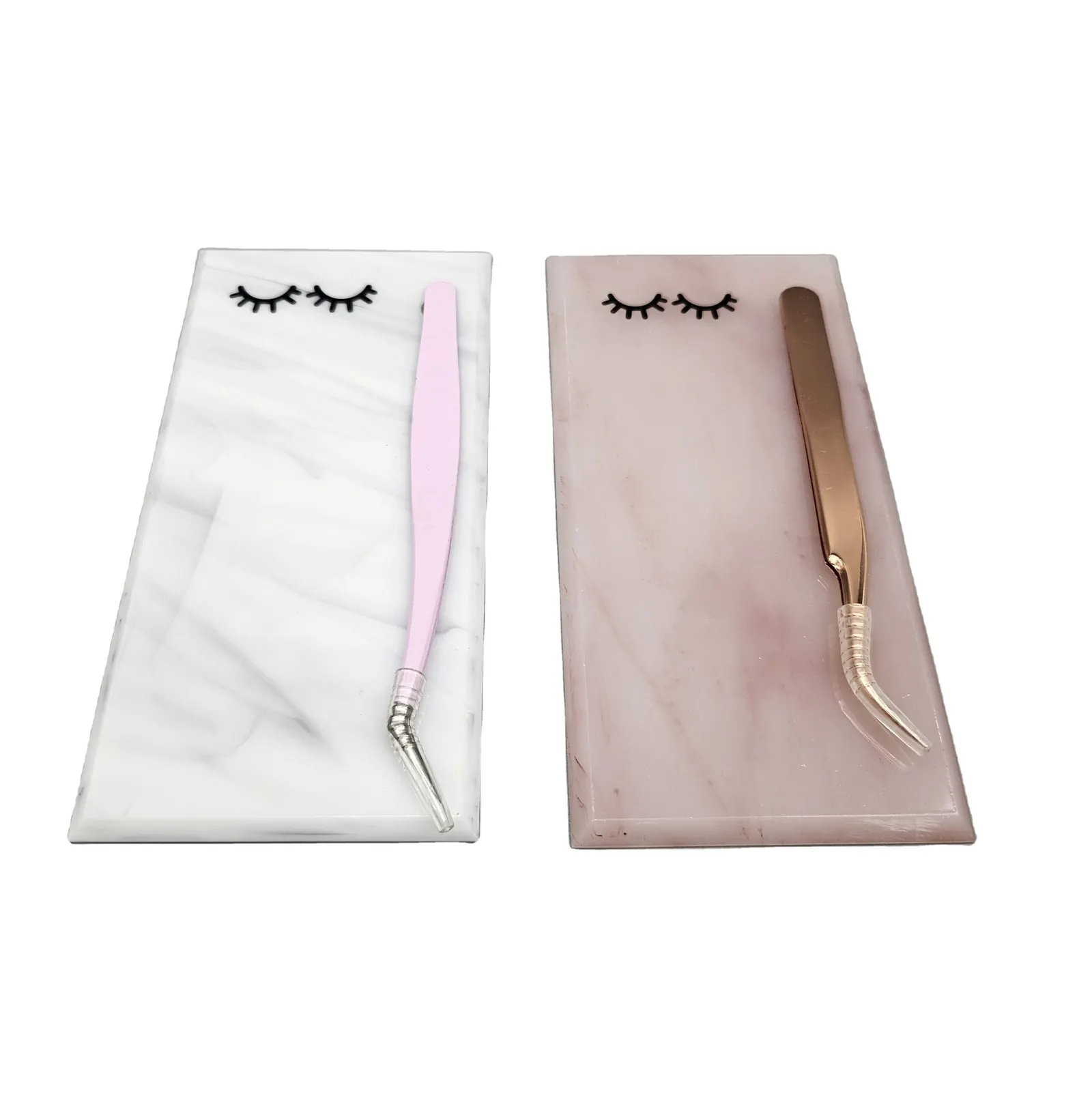
Custom lash tiles and working palettes place strips, magnetic tool points and glue accessories within reach. Compare flat, shaped and curved faces around the working layout. Glue stones and shaped-well palettes have their own material specifications.
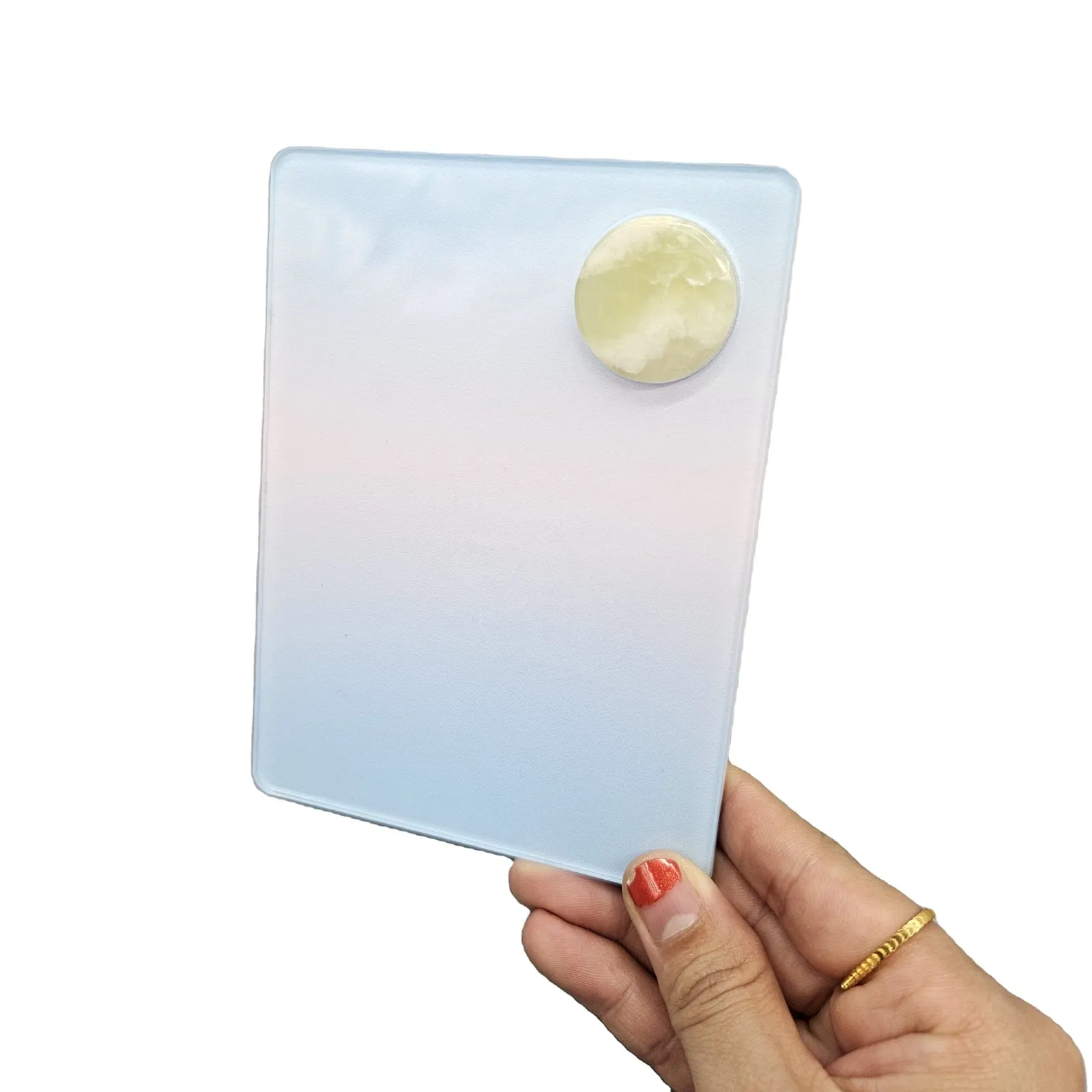
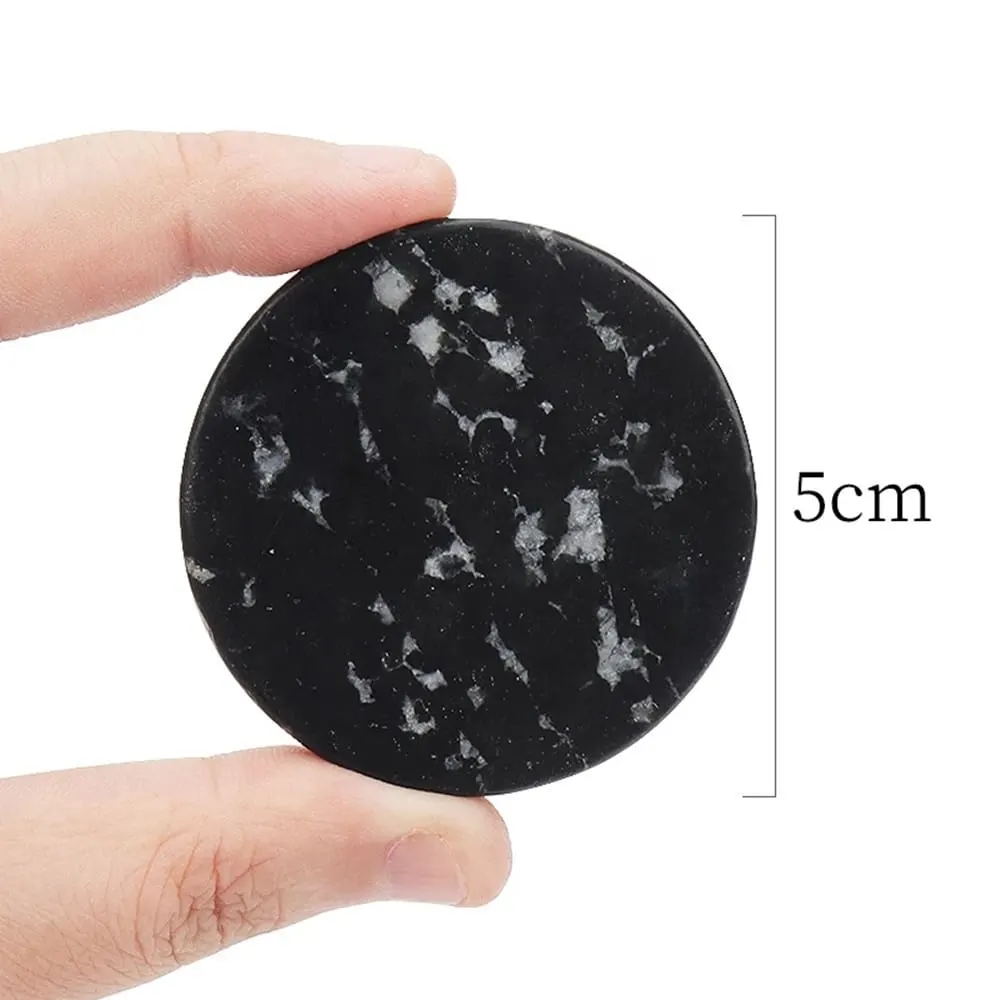
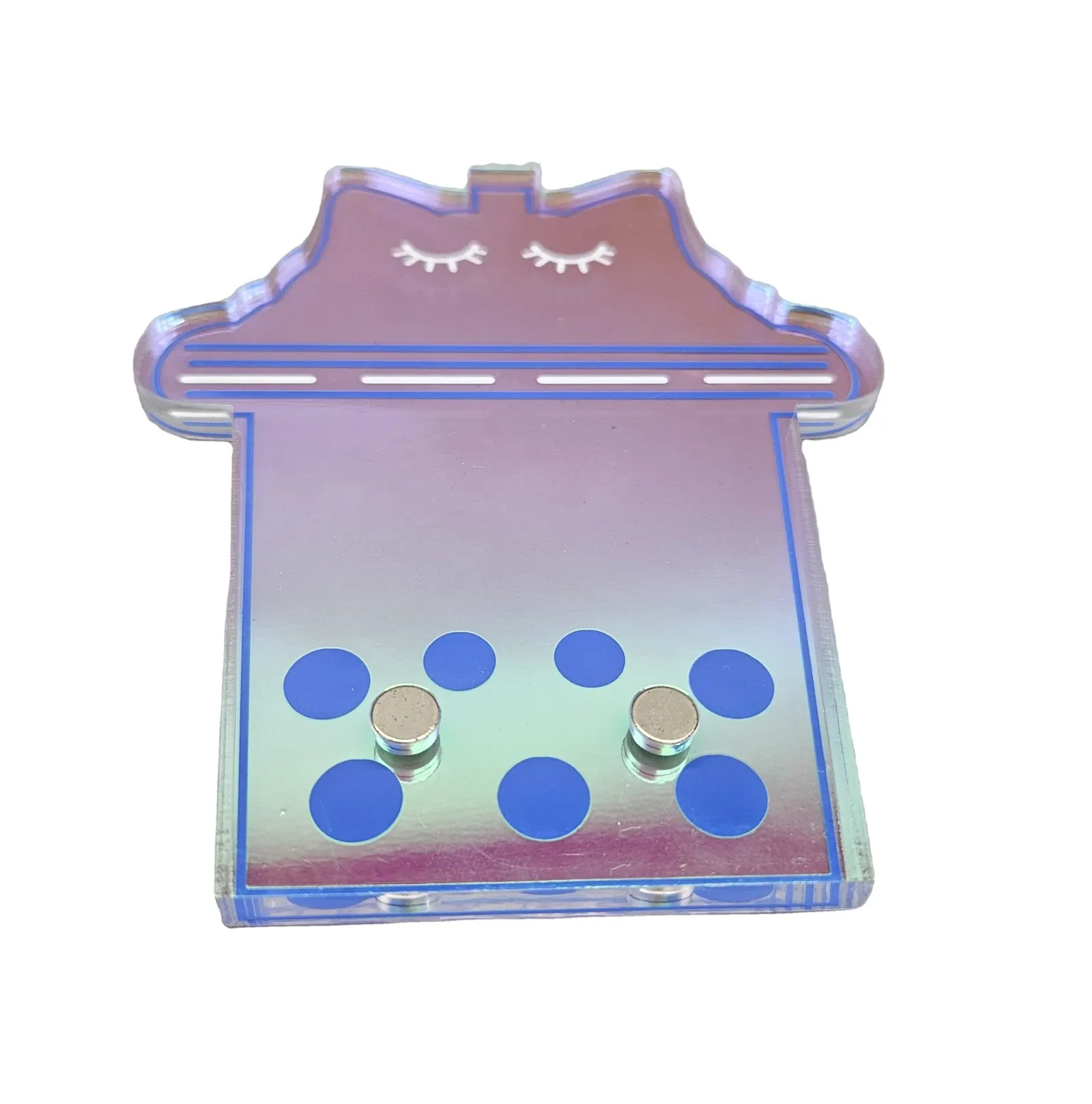
Listed tray size: 120 × 90 mm — An iridescent rectangular lash palette is shown with a round glue stone for a coordinated strip-and-adhesive workstation layout.
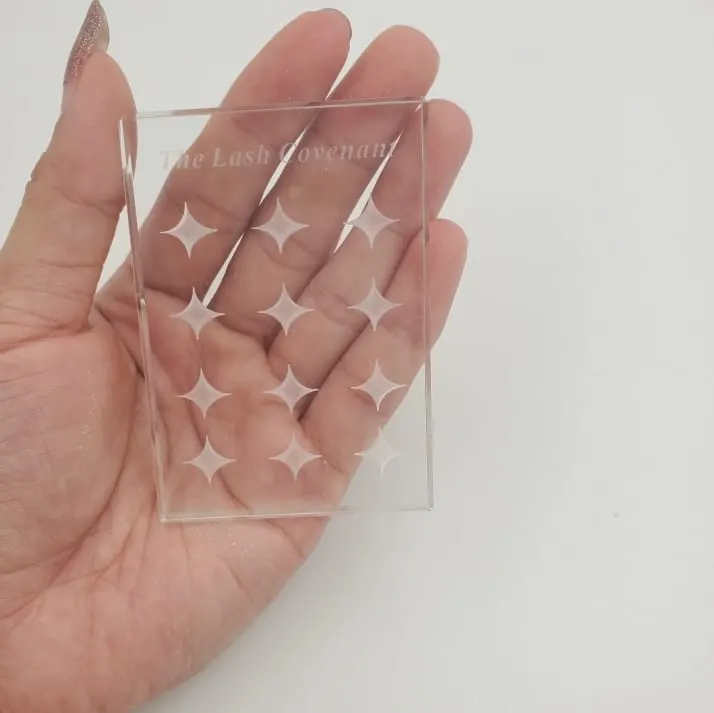
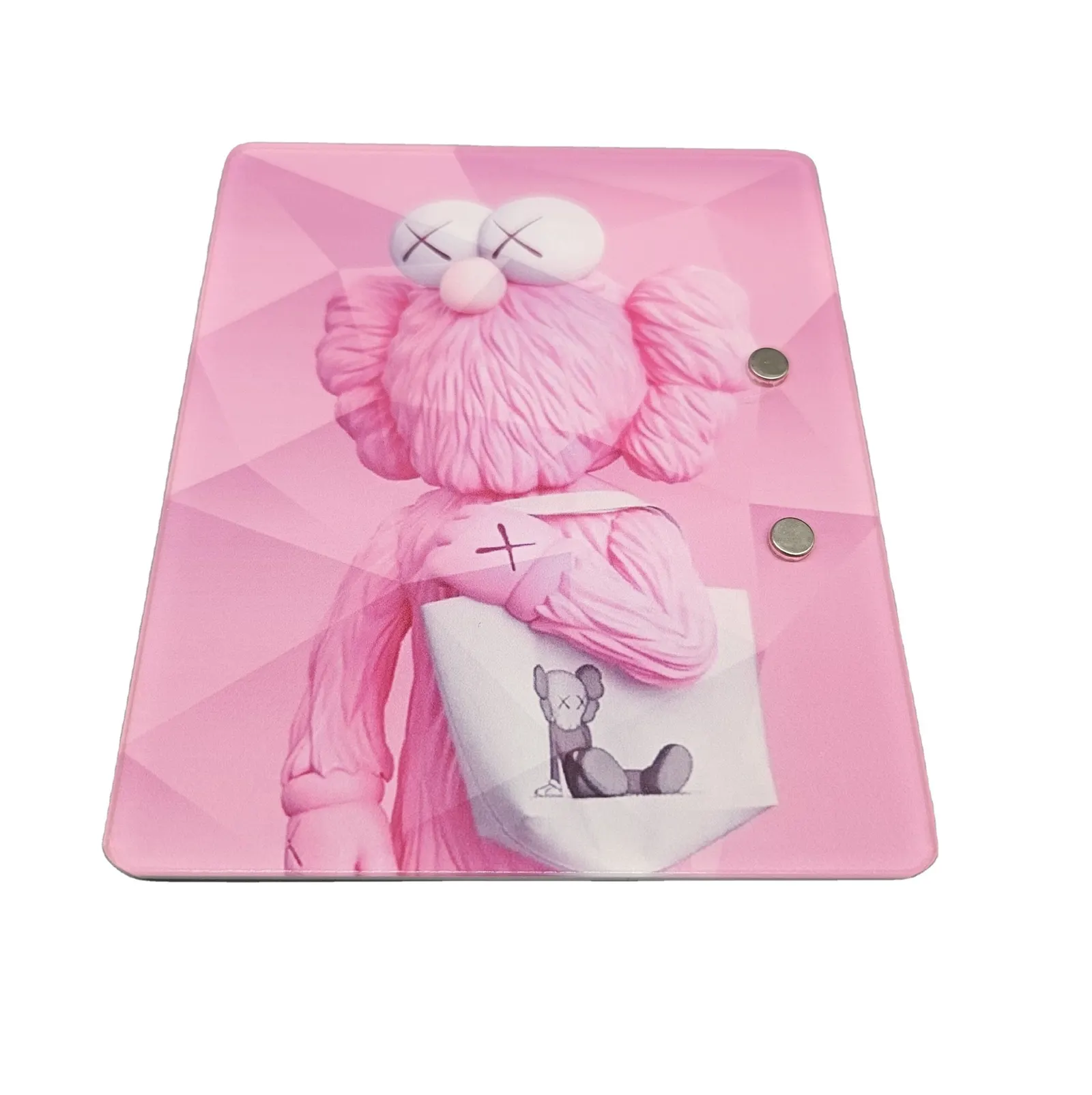
Listed size: 120 × 100 mm — A pink rectangular lash tile with star-pattern artwork and circular magnets brings a printed accent to the working palette.
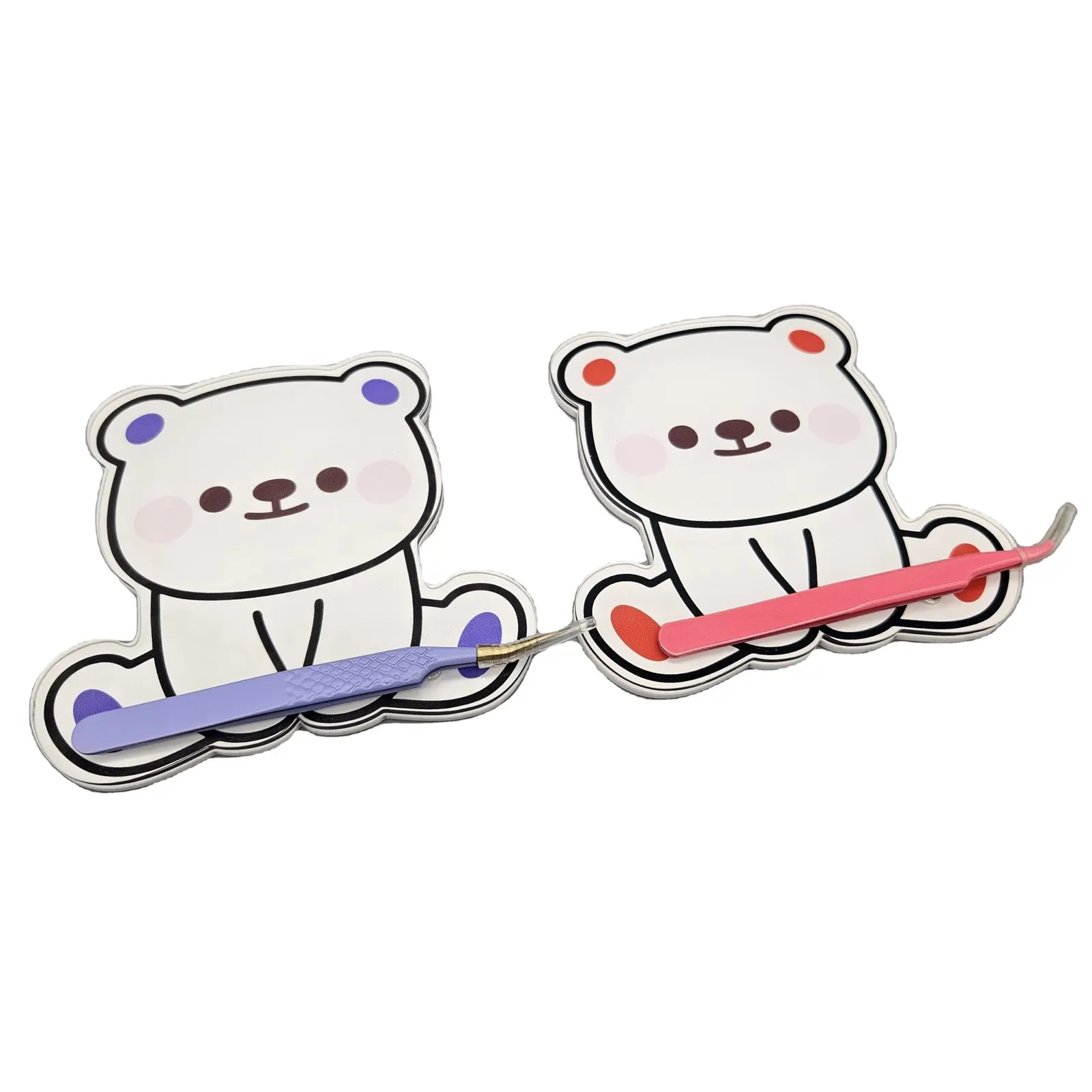
Listed size: 125 × 120 mm — A bear-shaped lash tile combines a printed character face with circular magnets for a decorative extension workstation palette.
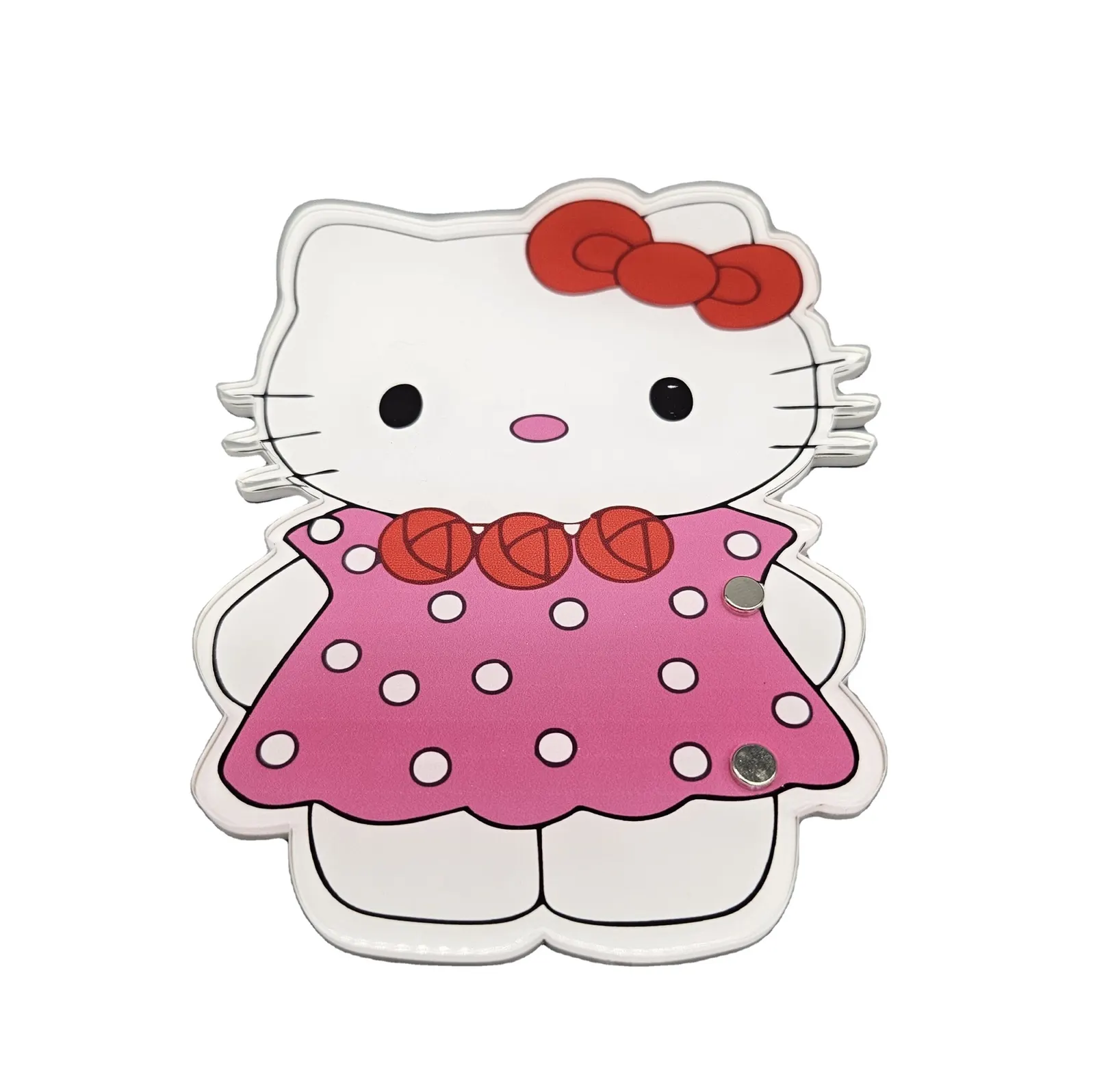
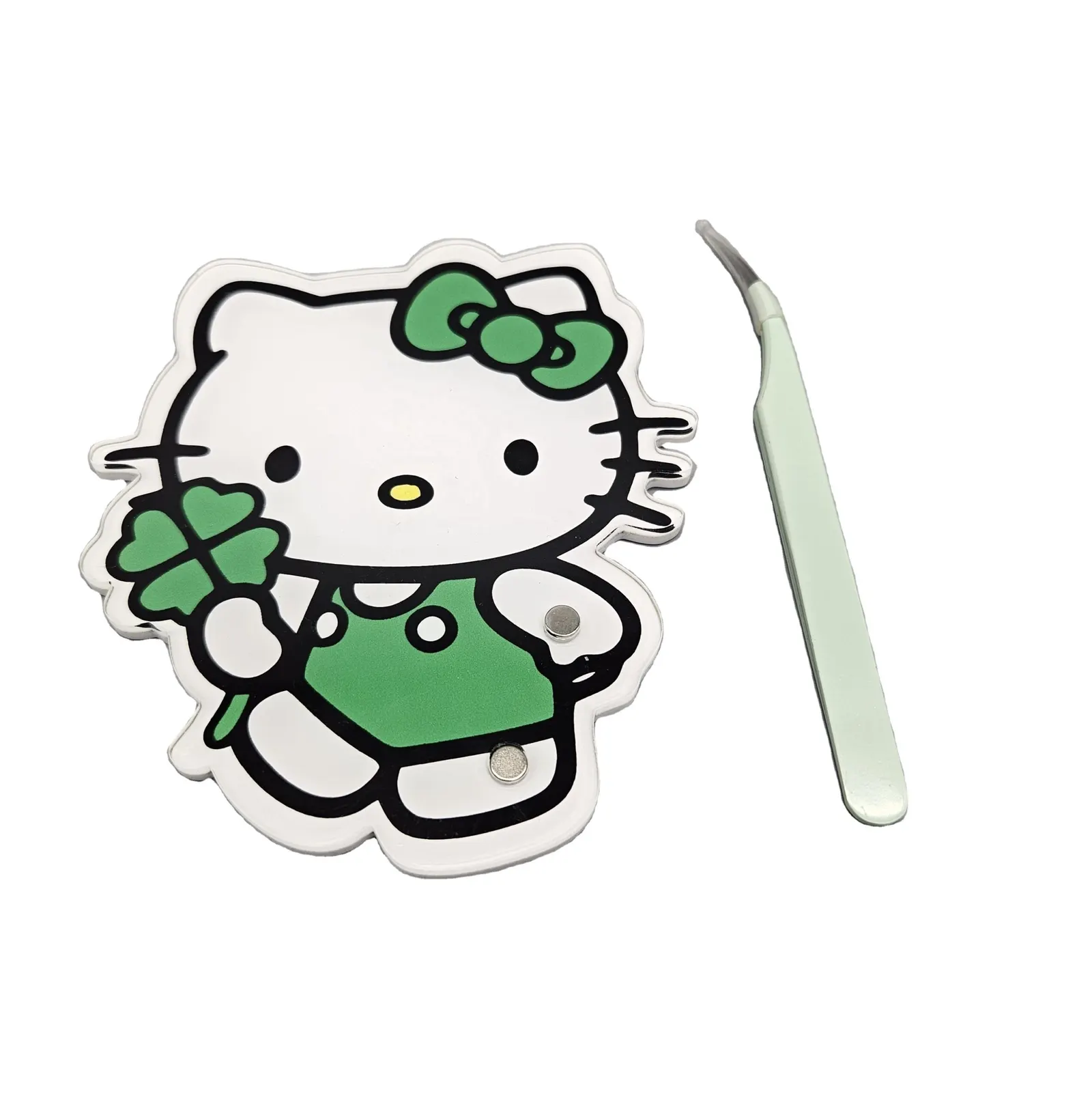
Listed size: 155 × 115 mm — A pink character-shaped lash palette provides a decorative flat face for arranging extension strips at the salon workstation.
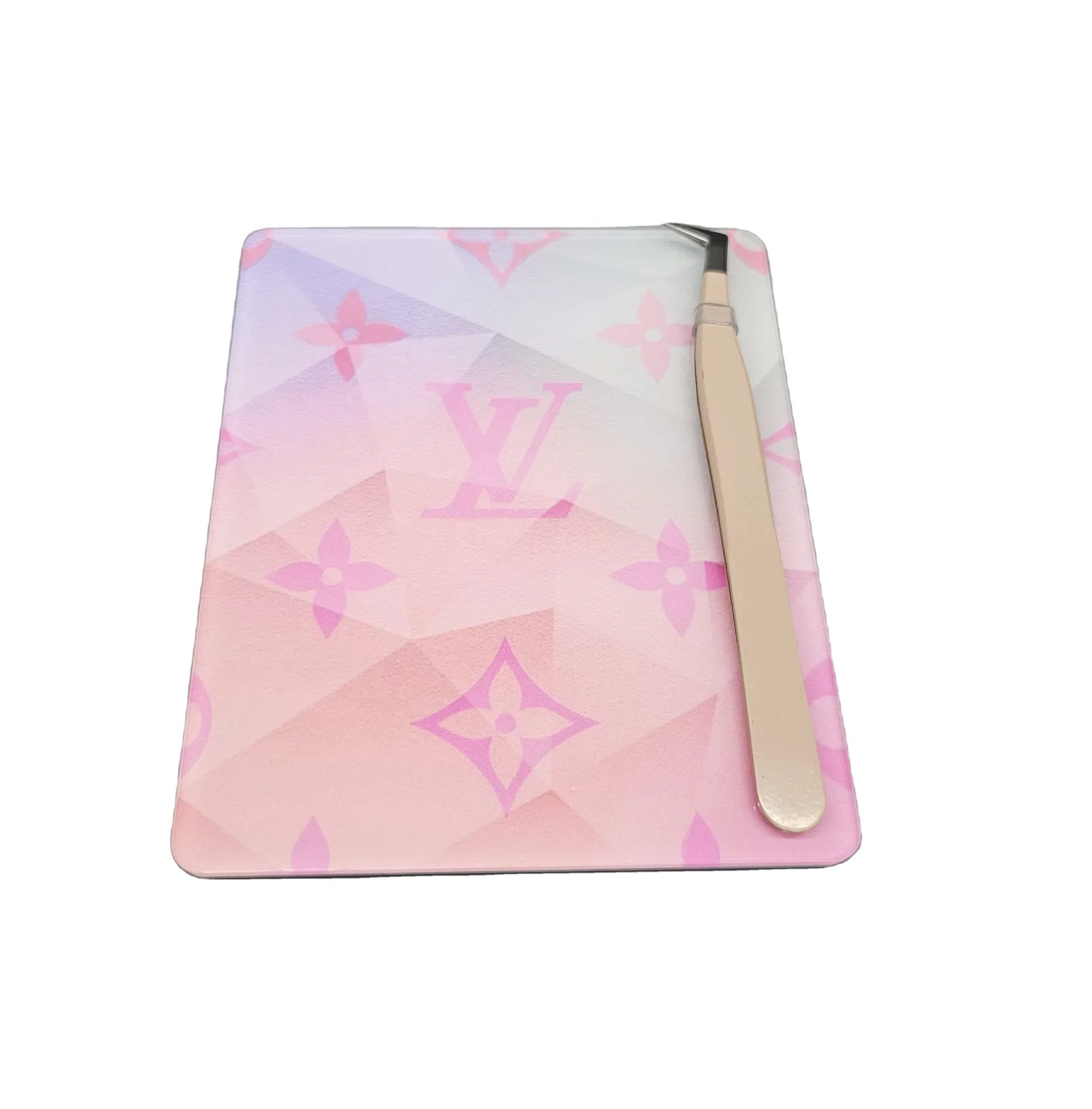
Listed size: 120 × 100 mm — A pink rectangular lash tile with printed artwork and circular magnets provides a compact surface for lash strips and selected tools.
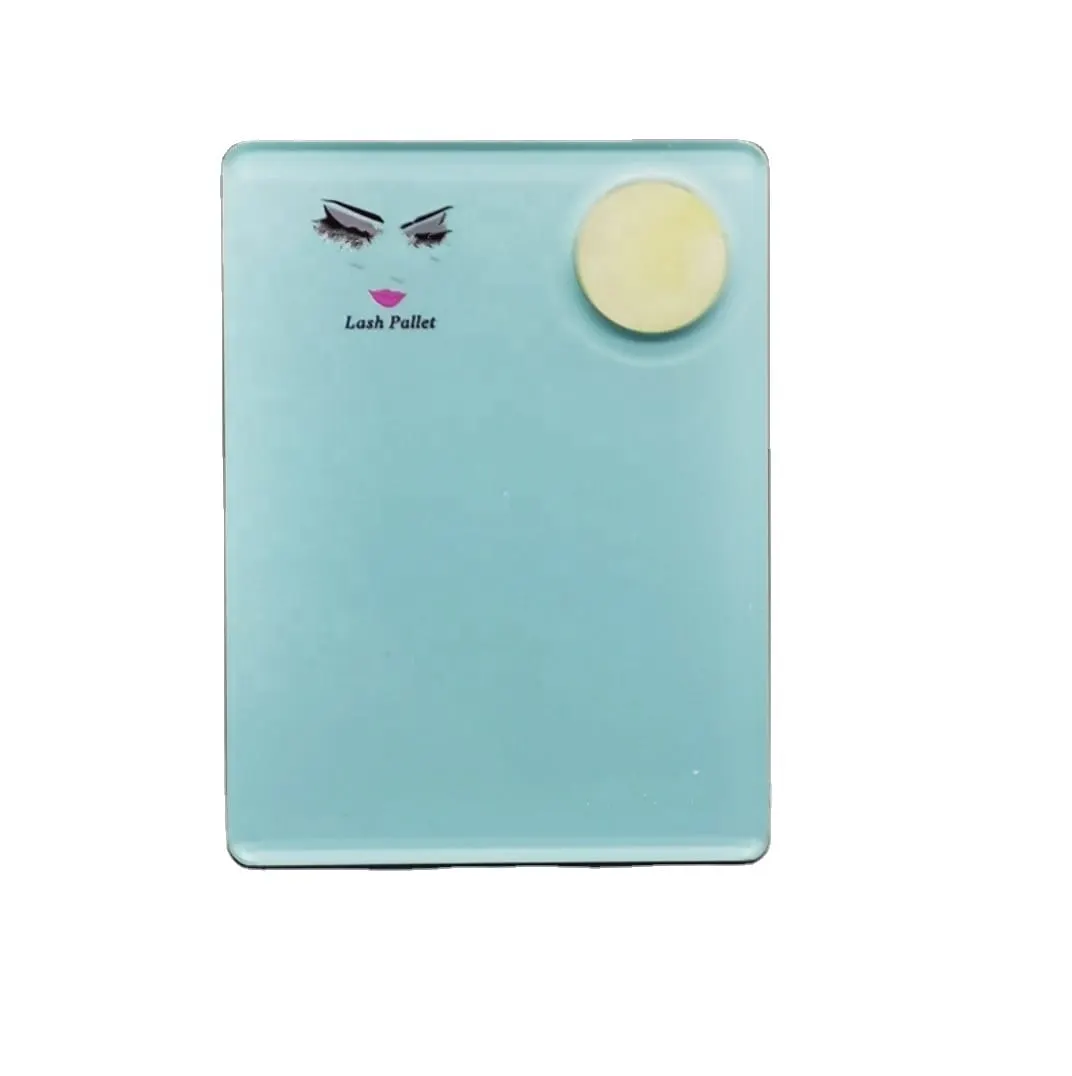
Listed tray size: 120 × 90 mm — A compact rectangular lash palette is shown with a separate round glue stone for arranging extension strips and adhesive at the workstation.
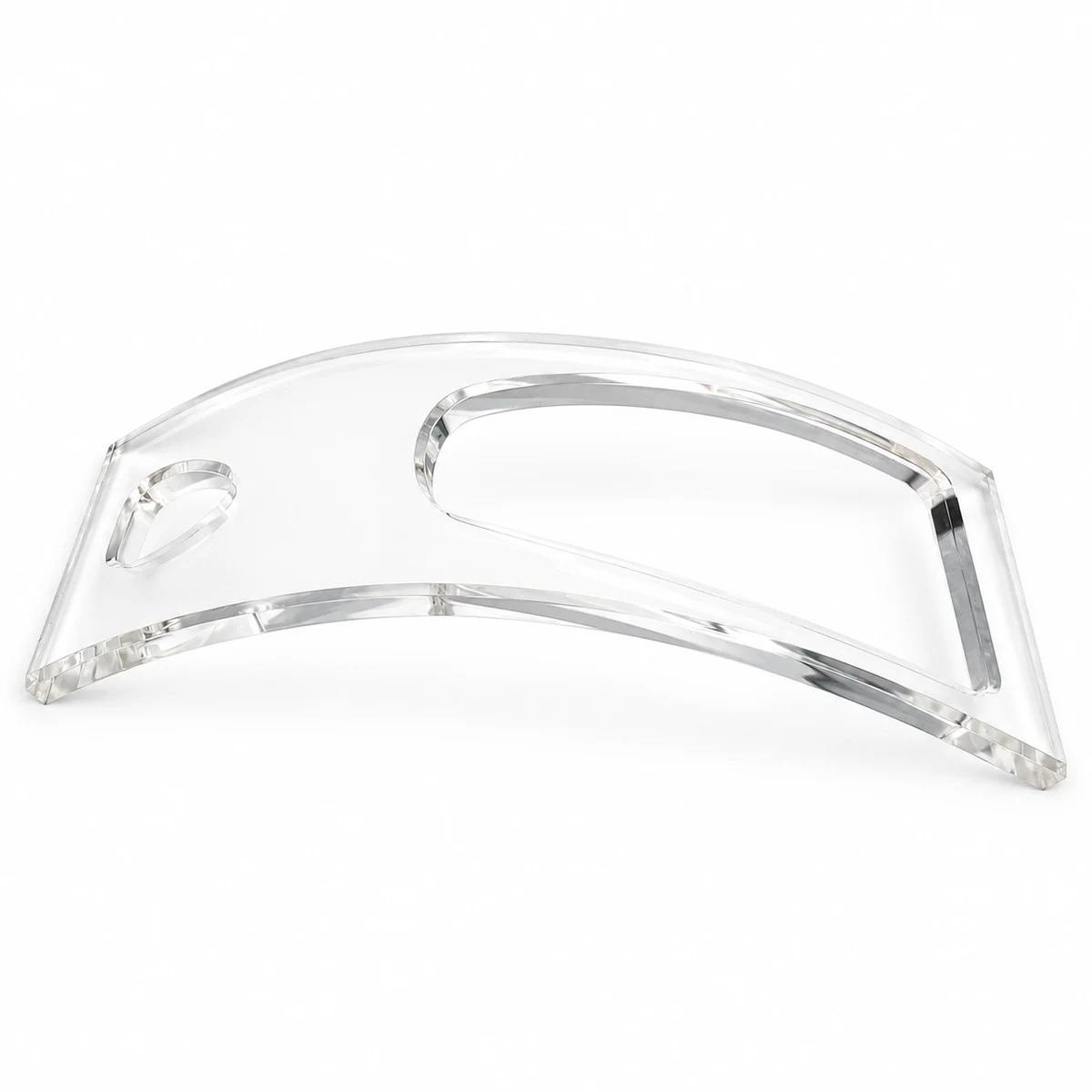
Arranging strips across a formed arch with a separately selected glue ring.
Review: Review curvature, ring rim, insertion depth and working-hand clearance; no strap is included.
Material and construction choices
Tile, magnets and glue accessory
Specify the acrylic body thickness, magnet pocket backing and retention separately. A glue stone, bottle or ring is its own component and may use another material. The visible shape of the opening does not establish a particular brand fit, magnetic force or adhesive compatibility.
Artwork that remains useful in work
Place row lengths, logo and decorative artwork on separate layers. Choose the viewing face and approve white backing where needed. Keep guides clear of holes, magnet pockets and narrow outlines; reflective finishes need a lighting check rather than an approval from a flat artwork file alone.
Cleaning and repeated strip changes
Supply the cleaner and the way strip backing or glue residue is removed. Review the finished printed face, edges, joints and each separate accessory on a representative sample. A clear or glossy palette does not establish chemical resistance, sterilization suitability or a hygiene certification.
FROM BRIEF TO ORDER
Quantity, samples and delivery
Quote the branded range
List quantities by palette shape, finish, printed layout and accessory. Identify whether a distributor wants blank tiles, identical logos or multiple brand designs. A coordinated tool set needs a piece-by-piece supply list, with setup and minimum quantities confirmed in the quotation.
Trial a complete working layout
Apply the actual strip backing, fit the chosen bottle, ring or stone and place the intended tweezers. Review reach, magnetic retention, guide contrast and the planned cleaning method. Keep the accepted artwork and component list with the sample record.
Protect the working face
Define individual wrapping, printed-face separation and restraint for loose accessories. For retail or training kits, identify labels and box contents separately from bulk transit protection. Include destination and the required receiving date when discussing the shipment.
Send the details that define your quotation
Actual strip backing size, row count and length-guide layout
Tweezer dimensions and bottle, ring or stone specification
Tile shape, thickness, color and reflective finish choice
Authorized logo files and quantity per artwork version
Cleaner, sample checks, kit contents and destination
A reference photograph, sketch or approximate brief is enough to begin. We help identify the remaining specification decisions with the supplier.
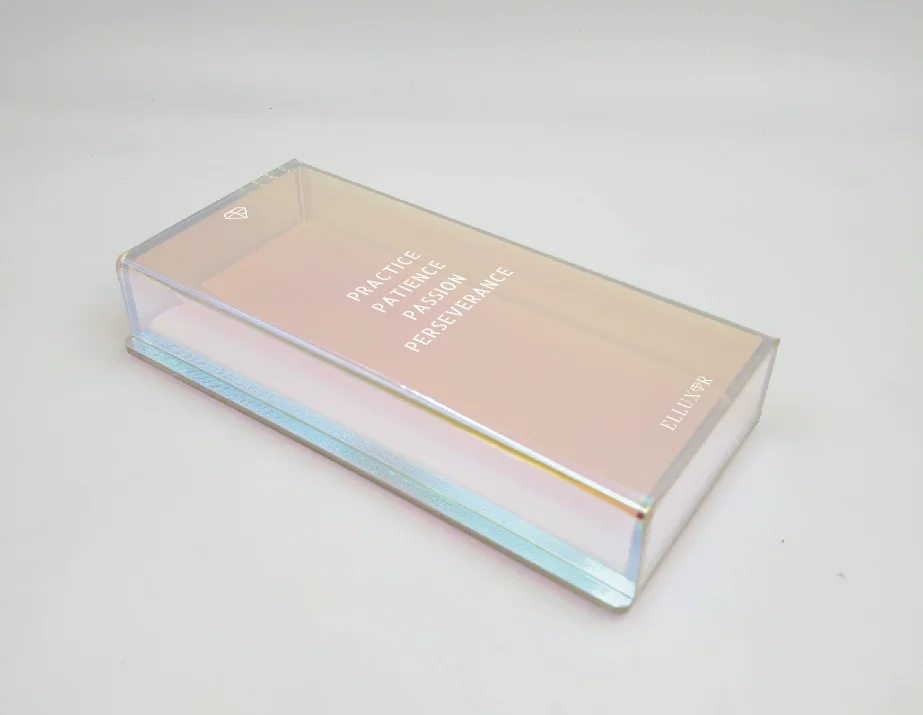
A beauty buyer's gradient artwork and all-white lettering requirement were carried into a product preview, followed by a recorded production-complete update.
Recorded scope: The images document the design exchange. The archive does not contain a finished-batch photograph, dispatch confirmation or buyer receipt, and it does not establish every tile's material specification.
Questions before you order
Can my logo and lash-length guides be printed together?
Yes. Provide separate logo and guide layers, mark the viewing side and identify the areas used for strips and tools. The artwork proof and finished sample check both matter: reflections, magnets or a bottle opening can interrupt a layout that appears clear on a flat file.
Are magnets or glue accessories included with every tile?
No single accessory list applies to the category. Identify the selected palette and list magnets, bottle, ring, stone or tool holder separately. The approved drawing and quotation state what is supplied; photographs can show accessories used only to explain the layout.
Can a palette match our existing trolley box?
Send the box's usable cavity, entry opening and any locating tracks, plus the strip height above the tile. Check insertion and removal on the sample. Matching the outside tile width alone can leave insufficient clearance for the cover or neighboring plates.
What should a distributor include for several printed versions?
List quantities by shape, finish and logo file, then identify shared parts and the packaging for each SKU. Use named artwork versions so sample approval and repeat orders refer to the same row guides, magnetic layout and accessory scope.
How do I approve the cleaning method?
Identify the actual cleaner, contact time and removal technique used at the workstation. Review a finished sample including print, reflective treatment and separate accessories. Material appearance does not establish compatibility with every adhesive remover or disinfectant.
 Production complete; dispatch pending · February–March 2024