Choose a lash tile for the working surface, a tile storage box for the intended tiles, and an organizer for the station layout. Check the actual strips, boards and tools before combining formats or specifying a private-label version.
Separate the working surface, storage and station layout
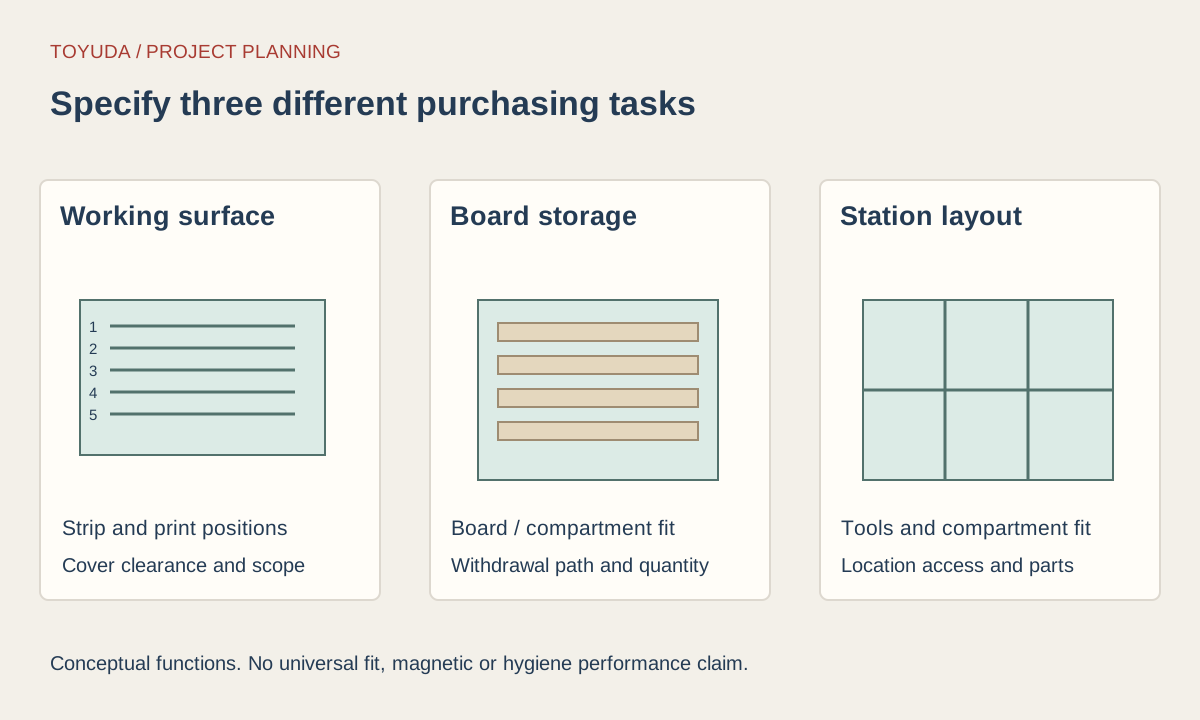
Start with what the user needs to place, retrieve and put away. The word “lash organizer” can refer to several different products, so a name alone is a weak purchasing specification.
Record the working board or tile dimensions, strip arrangement, lettering, cover requirement and tool positions. Separately list what needs storage between uses and where the storage unit sits. A board cover, a drawer and a rack can all reduce exposed access in different ways, but none establishes a hygiene or sterilization function.
For a brand or distributor, also identify which parts form one saleable set and which are optional accessories. Give each a component ID and quantity. This helps distinguish a box supplied with boards from an empty box intended to receive boards supplied elsewhere.
Compare three catalog formats against those tasks
Use the reference that matches the main job, then check its component scope. The three formats below should not be treated as interchangeable names for the same item.
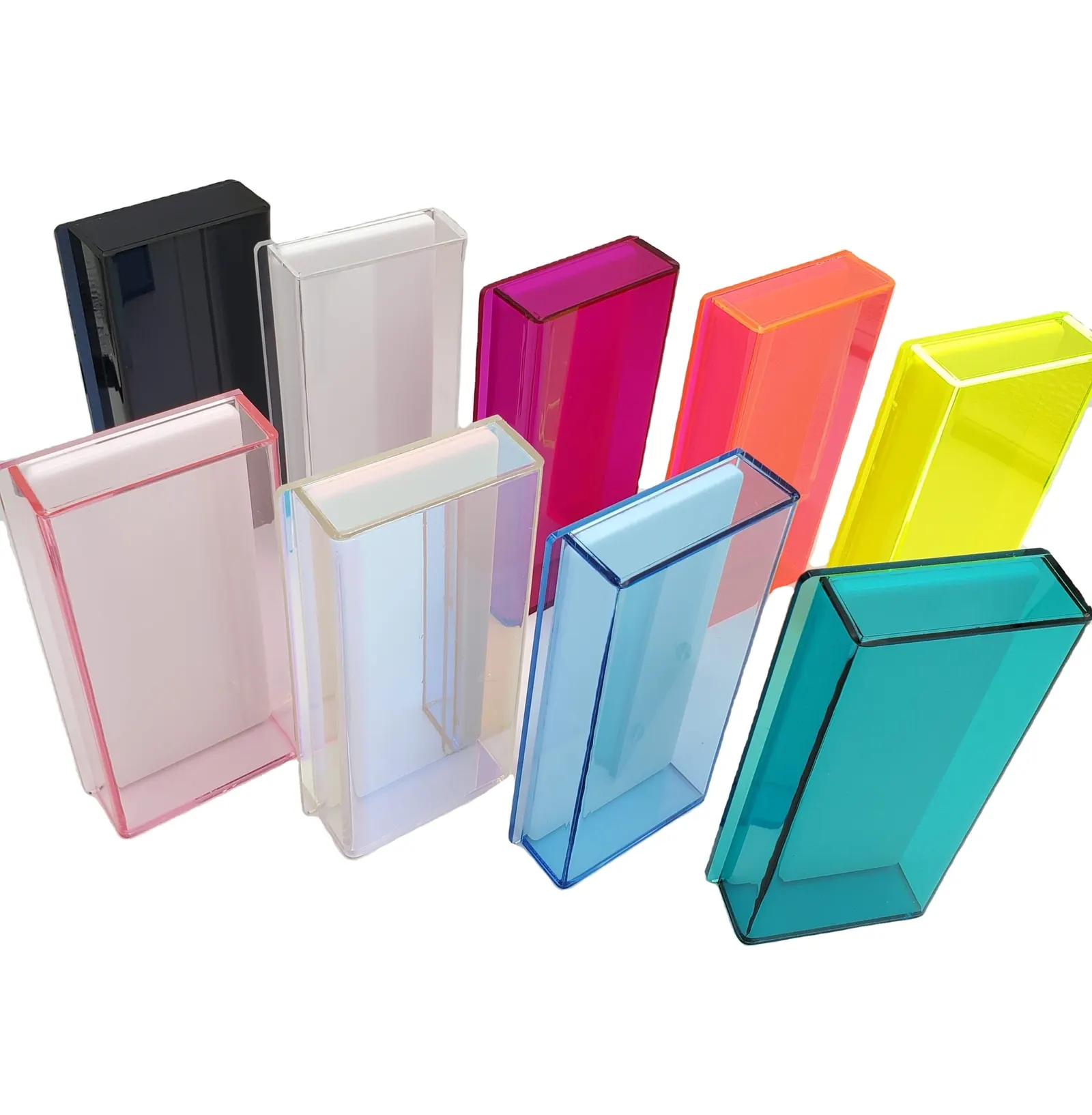
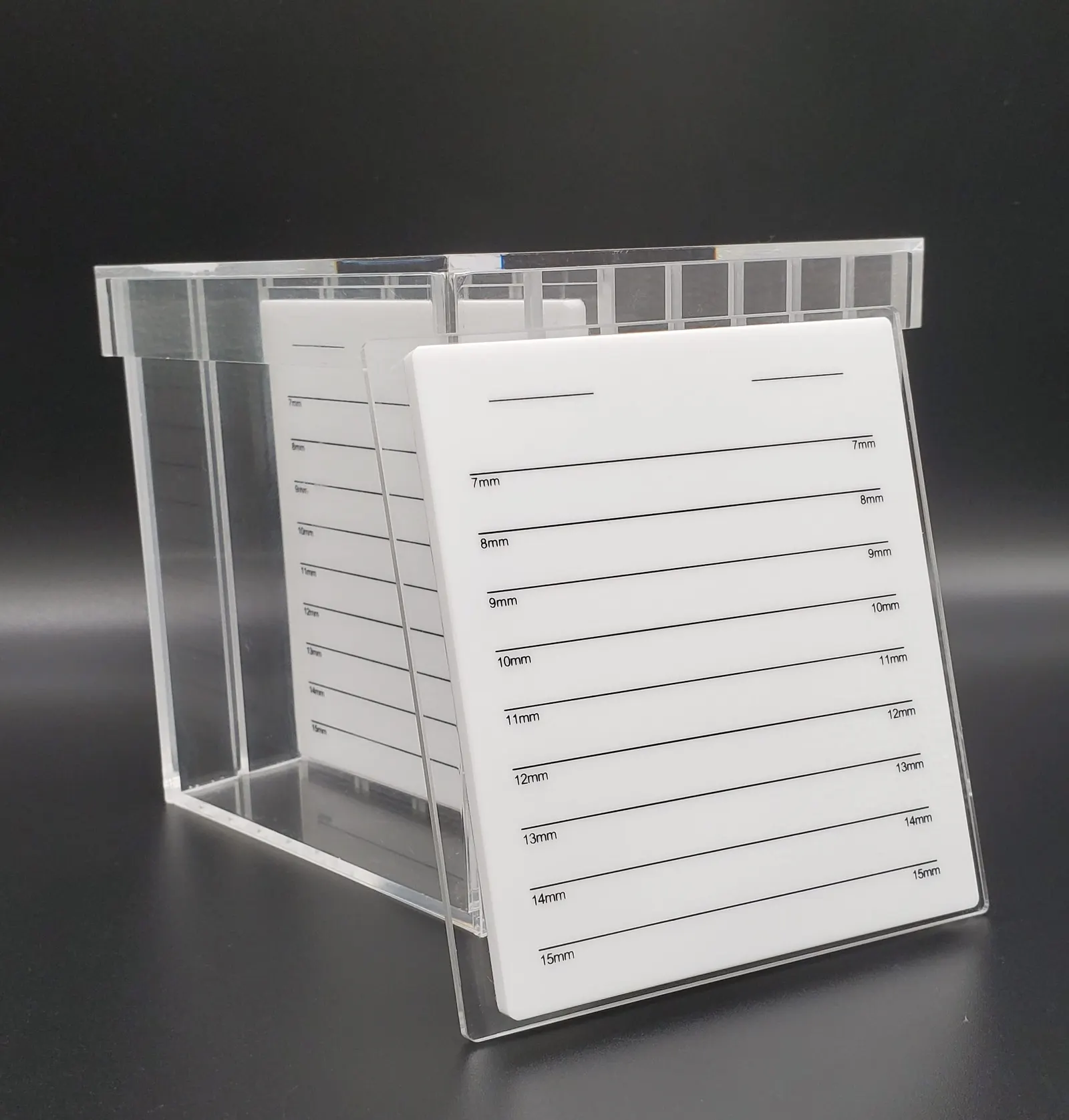
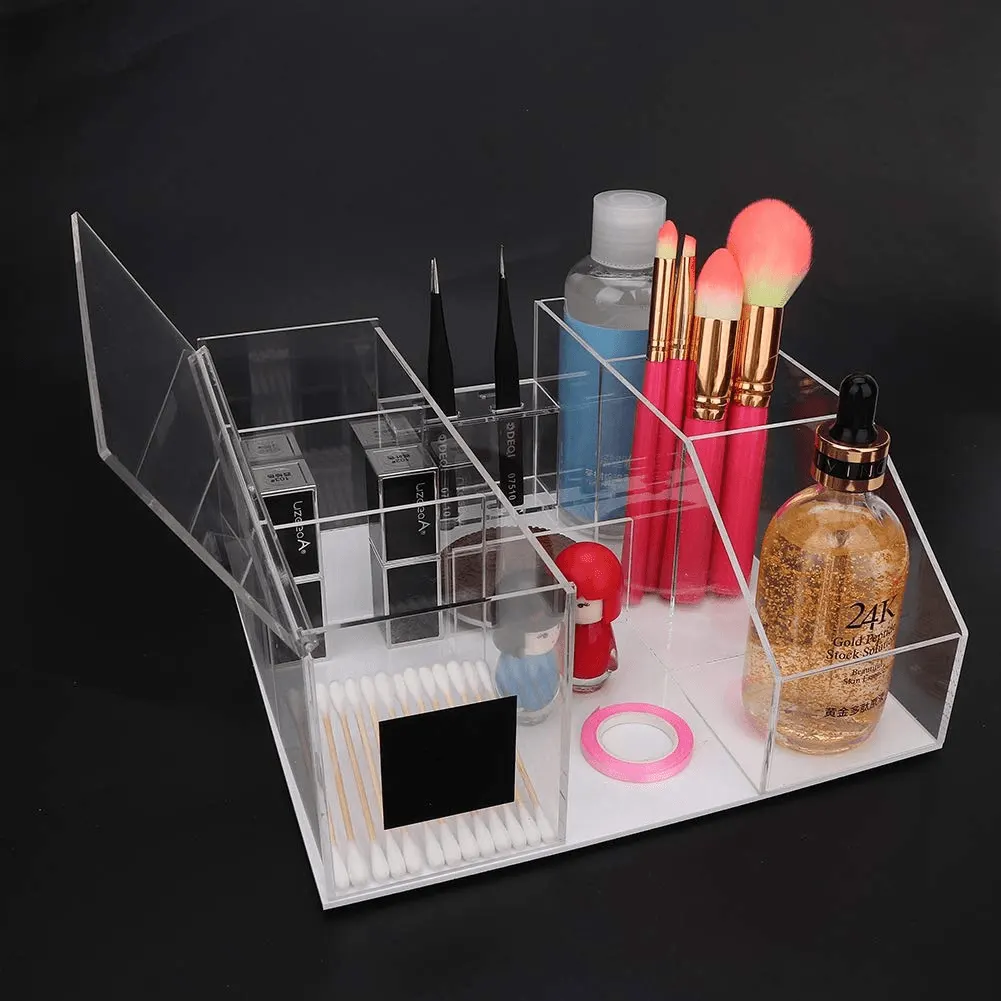
| Format reference | Main purchasing task | Fit checks | Scope to confirm |
|---|---|---|---|
| Single working board with cover | Arrange the intended lash strips on the working surface | Board outline, printed positions and cover clearance | Board, cover, lettering and any separate tool holder |
| Box with removable boards | Store and retrieve the intended boards | Board envelope, compartment space and withdrawal path | Number and type of boards, box and included parts |
| Cart or station organizer | Position selected tools and supplies at the station | Tool dimensions, compartment layout and access at the cart | Organizer components, installation and accessories |
The single covered board reference is useful when the working surface and cover are the starting point. Mark the visible print and how the cover clears the intended contents; do not infer that every covered format stores several separate tiles.
The removable-board storage box reference needs a separate board-and-compartment fit review. The cart organizer reference needs the intended tools and station footprint. A useful combination still requires all three sets of dimensions to be compatible.
Trial the complete combination, including covers and withdrawal paths
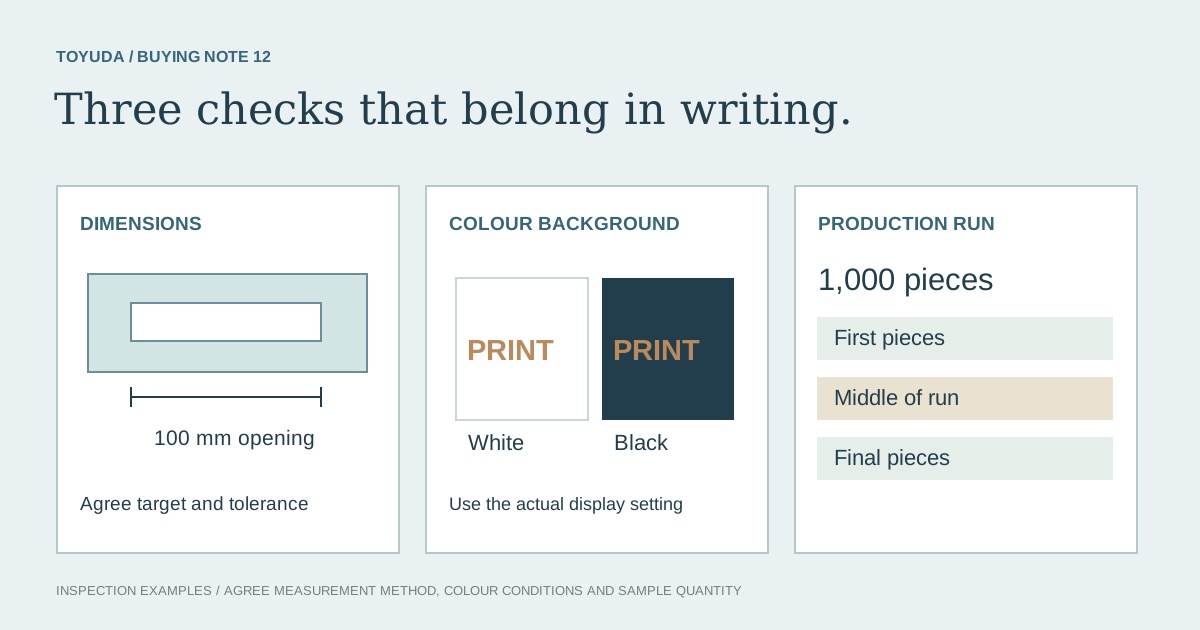
Measure the largest assembled envelope of each board and tool, including projections. Test insertion, withdrawal and cover movement with the actual items.
A board can fit within a compartment outline while its grip or cover prevents removal. Mark the approach direction and the space available at the station. If units are used together on a cart, show where each sits and what happens when a drawer, lid or removable board is in use.
If a magnetic feature is requested, provide the actual tool and proposed holder arrangement for evaluation. Different tools, contact areas and orientations need separate confirmation. A magnetic feature shown in a reference does not establish universal tweezer compatibility or retention under every handling condition.
Use the dimension-record method to separate measured objects, usable inside space and access limits. Keep the proposed combination under one drawing revision so a changed tile thickness or cover is not missed.
Approve the private-label artwork on the selected background
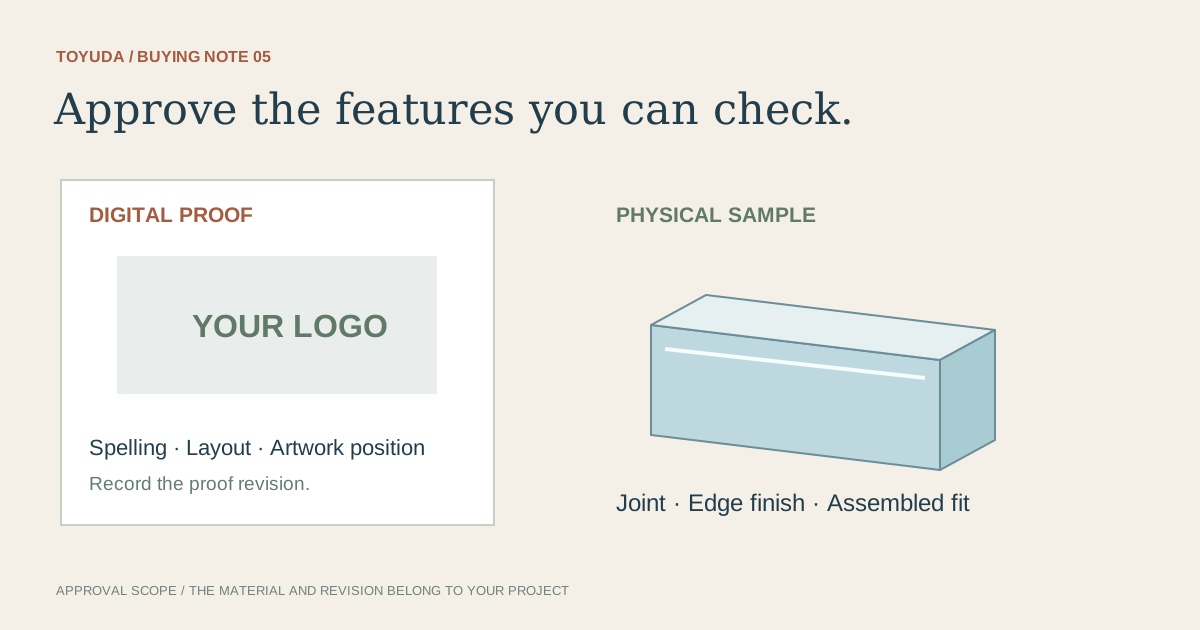
Review line positions, wording, logo orientation and contrast on the actual board color. An artwork proof on white does not settle how the same lettering reads on another background.
The white-print lash tile record contains design images and a later production-complete update. It does not include a finished-batch photograph, dispatch confirmation or customer receipt, and does not establish approval of a new layout or the contents of a new customer's set.
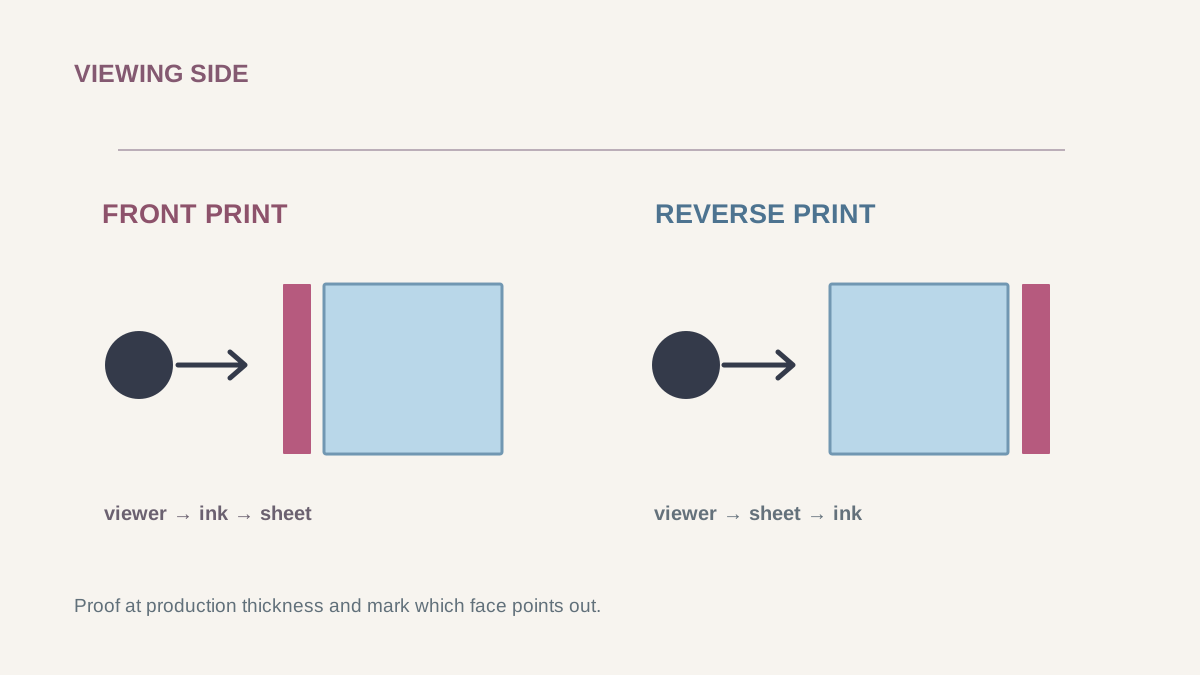
List the versions and quantity of each board or organizer. If several colors use the same logo, identify which proof and sample represent each combination. The print-face guide helps identify the viewed and decorated faces; the sample approval table can record artwork and physical fit as separate decisions.
Keep cleaning compatibility in the specification for the actual material, print and fittings. Request the finished-product care instructions. This buying guide does not prescribe a salon hygiene protocol or claim that a lid, material or coating provides disinfection.
Send a component list that can be checked again at delivery
Give each supplied part a reference and retain its approved drawing, artwork and sample version. Then connect the packing labels to the same component list.
Lash workstation purchasing brief
Project / revision / date:
Working / storage / station task:
Product and component references:
Actual strip, board and tool dimensions:
Board quantity, compartments and cover clearance:
Insertion and removal path at the station:
Requested magnetic feature and actual tool to test:
Material, color, print faces and artwork versions:
Included parts and quantity by version:
Finished-product care requirements to confirm:
Sample findings, approval status and packing labels:
Download this blank project record (.txt). Mark unknown entries “To confirm” and retain the approved revision.
Use the SKU and approved-reference inspection record to check the supplied components. Check the intended function and the agreed component scope as well as the visible logo.
Two questions about lash storage and organizers
Does a magnetic holder fit every tweezer?
No universal fit is established. Check the actual tool, contact area and intended orientation with the proposed holder.
Does a cover establish a sterilization function?
No. A cover describes a physical component. Any specific hygiene performance requires separate evidence and an appropriate review.
Send the component list, dimensions and brand artwork. TOYUDA can coordinate a format and sample review with suitable suppliers.
Apply this guide to your project brief
Specify the working, storage and station components separately, then review their combination.
- Lash board boxes
Check board and cover fit, component scope and the withdrawal path.
- Lash workstation organizers
Review the actual tools, compartments and available space at the station.
Related project records
Prepare your quantity, artwork and delivery details before requesting a quotation.
Compare current product references
Use these formats to apply the guide to a specification. Confirm materials and sample requirements for your project.
- Clear Lash Box with Removable Tiles
Check removable tile fit, cover clearance and the required workstation layout.
- Clear Acrylic Lash Cart Organizer
Compare compartment dimensions and access around the actual tools before reviewing a sample.