Before choosing an ink color, turn the sheet over. The face that receives the print changes what the viewer sees—and what the cleaner touches later.
ARTWORK / VIEWING SIDE
Trace the image through the material
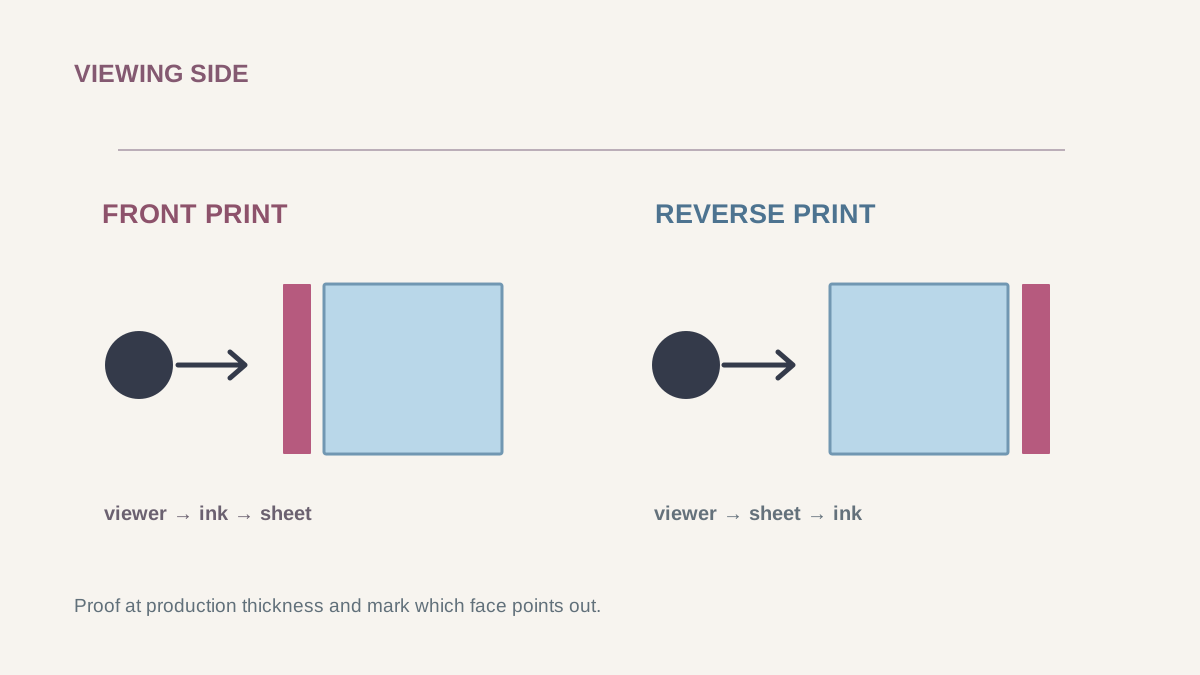
Front-face printing puts ink on the viewer side. Reverse printing places it behind clear acrylic, so the image is seen through the sheet. The artwork orientation and the order of colored and white layers must follow that viewing direction.
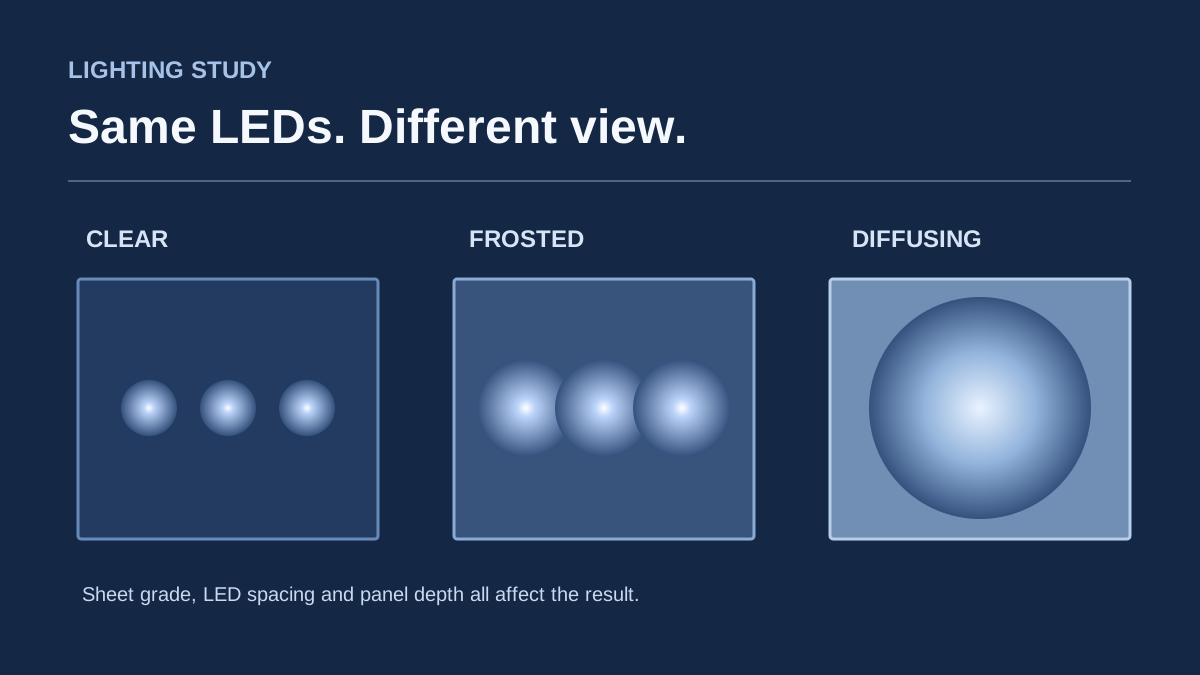
Thickness, texture and lighting can all change the apparent result. A screen mockup cannot show every effect of looking through the real sheet.
PHYSICAL PROOF
Ask for the part that can fail quietly
Make a proof on the proposed sheet grade and production thickness. Include small text, a solid color block, a white area and any transparency. View it from the intended side, under the intended light.
Ink adhesion depends on the sheet and printing process, so test the exact combination. Mark the outward face on the approved drawing and keep the artwork revision with the proof. That makes “same as sample” a traceable instruction.