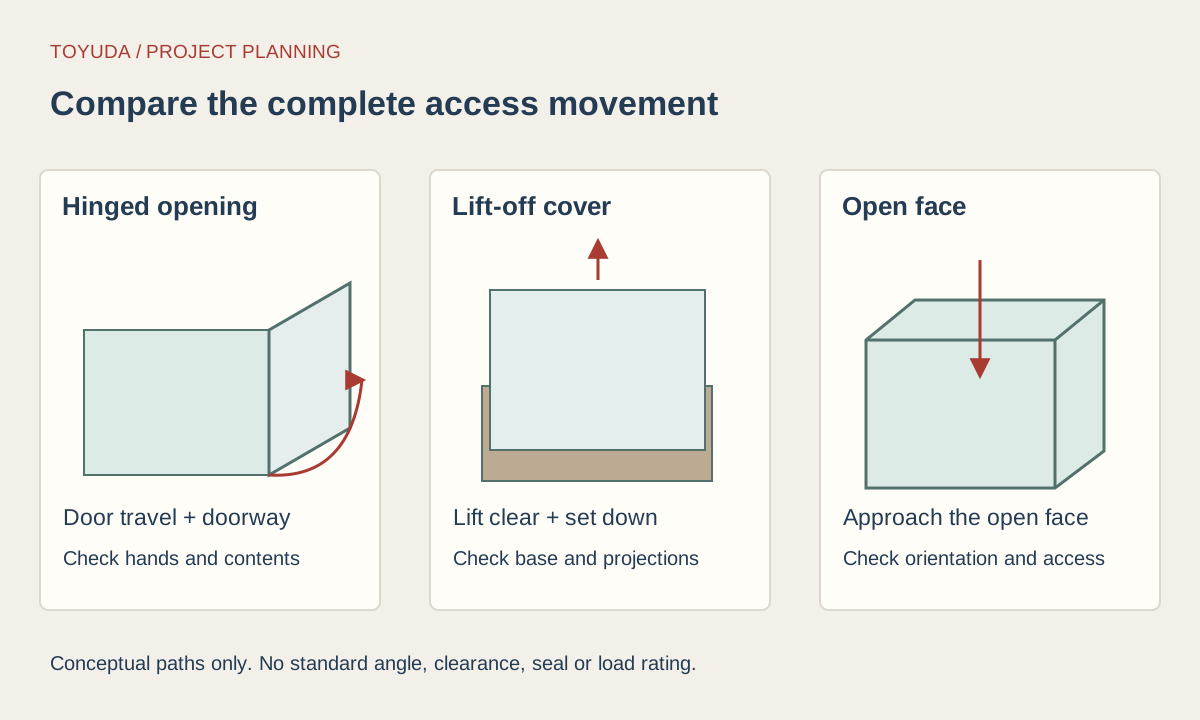
Choose a cap display by deciding whether customers need to browse several caps, lift one from a wall or view an enclosed presentation. A brim-slot organizer, individual wall holder and enclosed case solve different handling problems.
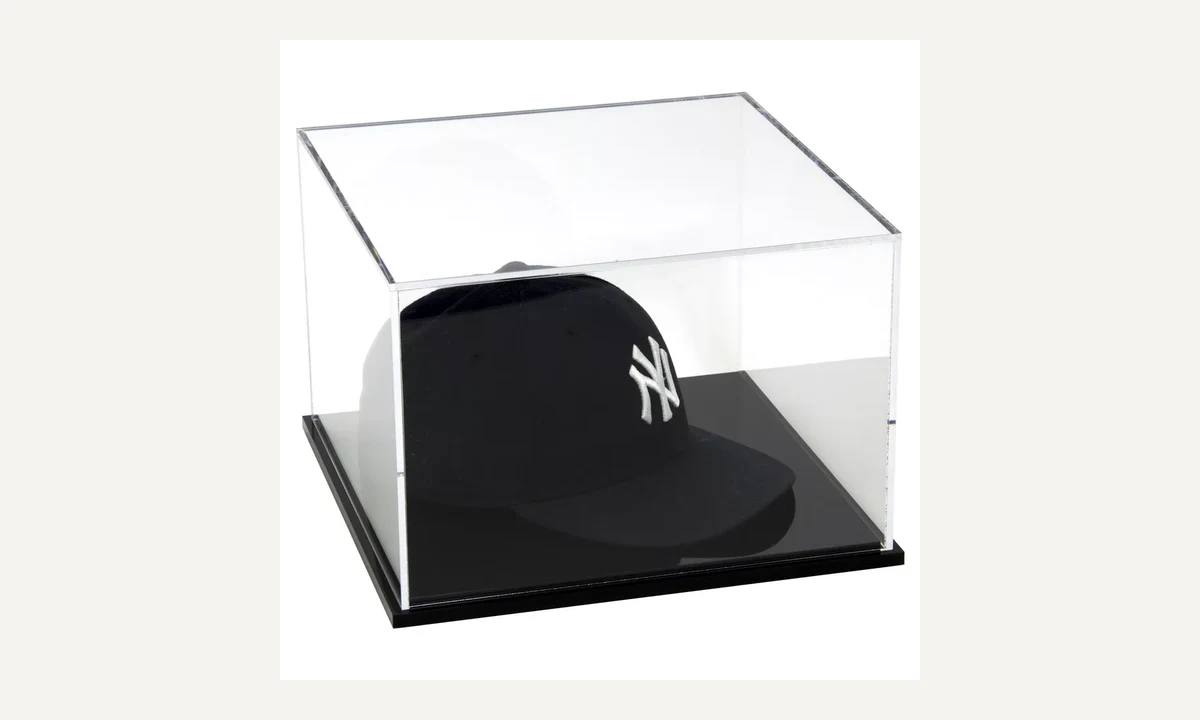
Choose the display job before the format
For a retail range, record how many caps must remain visible when one is removed. For an individual presentation, define the preferred front, brim angle and label position. For an enclosed case, decide who opens it and how often. These decisions narrow the format before dimensions are requested.
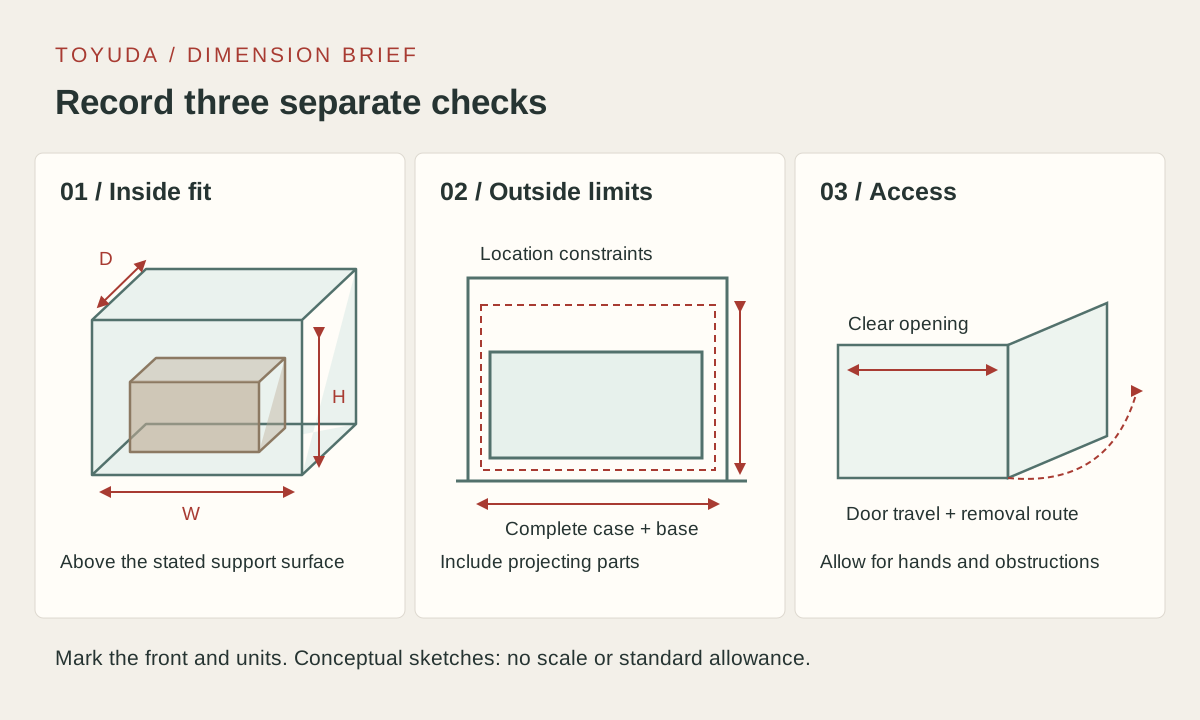
Measure the crown and brim in the intended condition
Record the crown height and width, brim projection and curvature, rear closure and any packaging that stays with the cap. Include the largest adjustment or accessory in the intended range. A cap pressed flat for shipping does not provide the same envelope as a shaped display.
For a slot, mark the area of the brim that may touch the holder and the intended insertion depth. For a wall holder, identify how the cap rests and the route used to lift it. For a case, measure usable internal space and the complete cover-removal path.
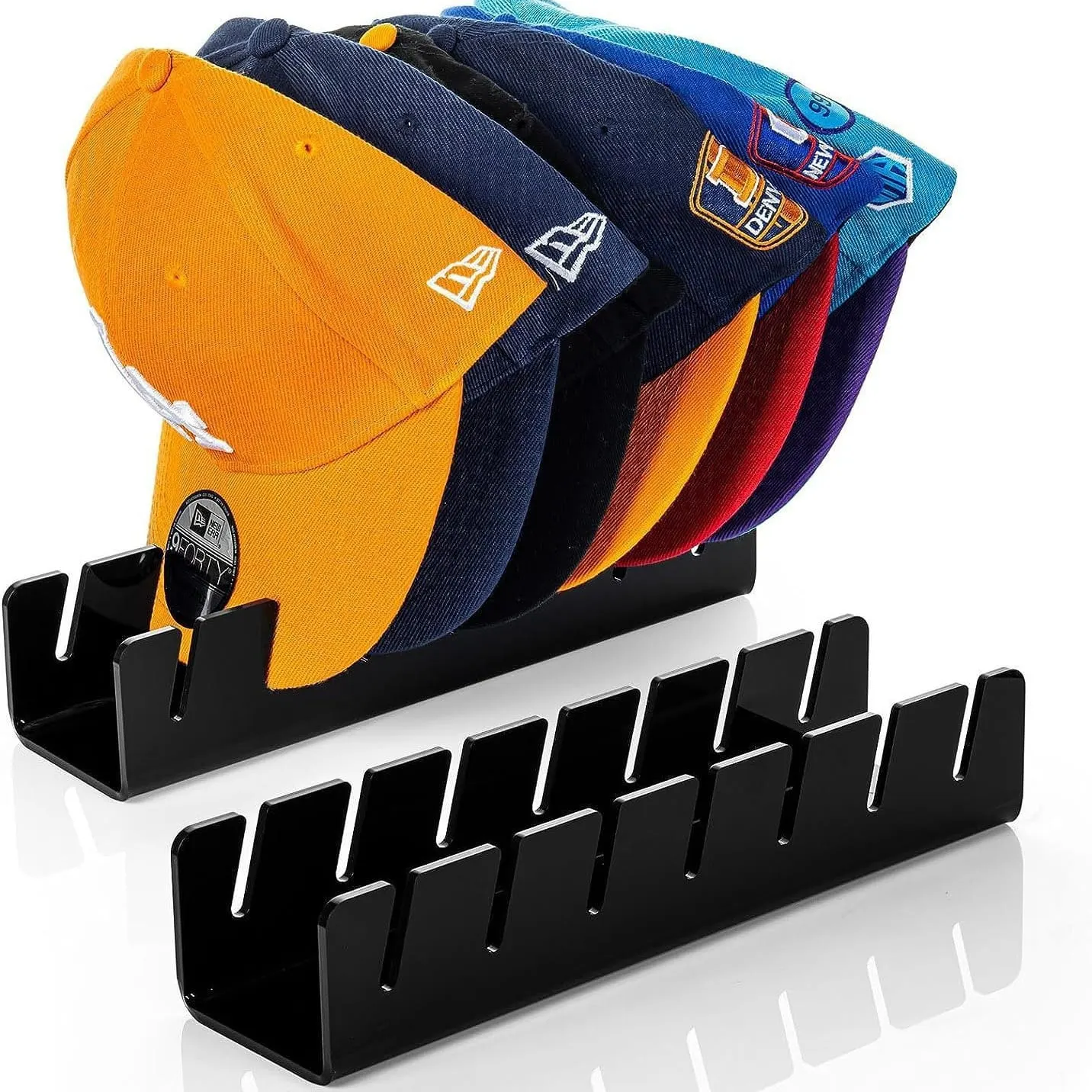
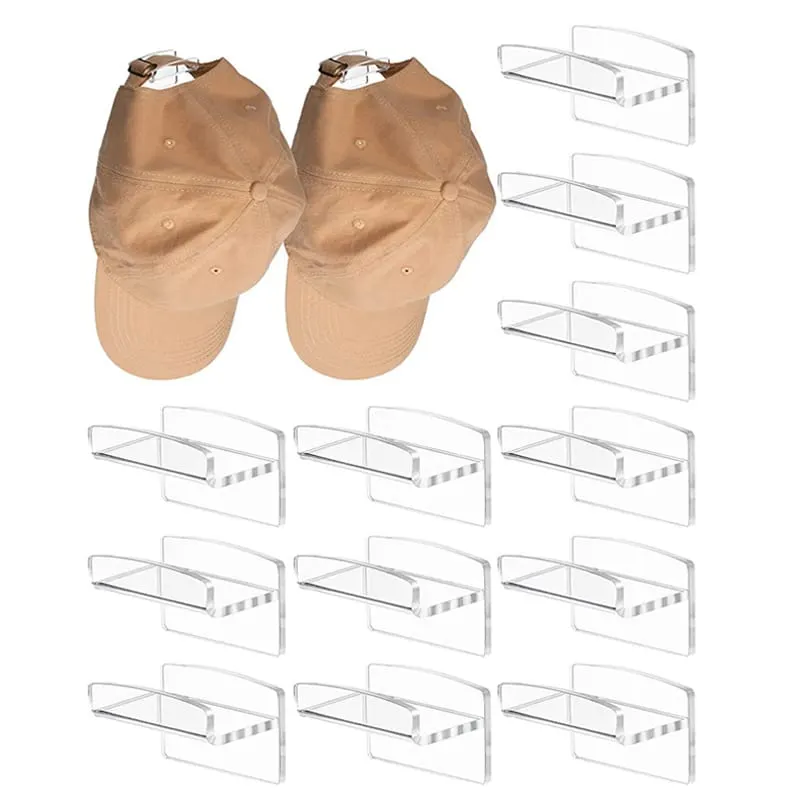
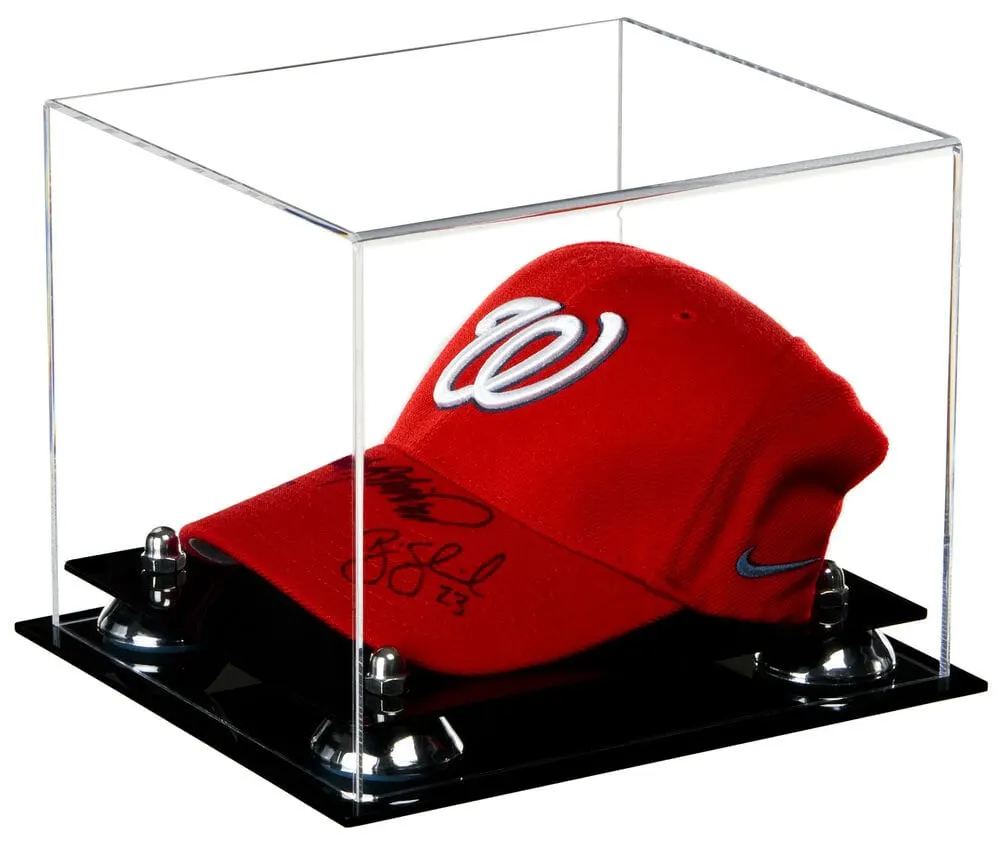
Compare three formats against the same cap list
Use the comparison below as a selection worksheet. It contains questions, not a capacity guarantee. Request material confirmation for each selected reference: the catalog wall holder is described as clear plastic, so its acrylic identity should not be assumed.
A closed case may reduce casual handling, but the reference does not establish an airtight seal, UV protection or dust-proof rating. If one of those functions is essential, put it into the enquiry as a separate requirement and request supporting evidence.
| Format | Best question to start with | Check before approval |
|---|---|---|
| Brim-slot organizer | Which cap and brim shapes must share the organizer? | Slot contact, insertion route and visibility of adjacent caps |
| Individual wall holder | How will the cap rest and be lifted from the wall? | Support contact, wall interface and removal path |
| Enclosed case | What must remain visible inside the cover? | Usable space, cap position, cover grip and lift clearance |
Review the cap after repeated handling
Trial the actual caps on the chosen sample. Observe brim contact, crown shape, snagging at the closure and the path for removal and replacement. Agree the number of handling cycles and the visual acceptance criteria with the supplier rather than adopting a generic test count.
For wall formats, obtain the mounting and substrate review separately. For cases, check the cover grip and whether lifting the cover disturbs the cap or base. Retain a photograph of the approved presentation and identify the cap version used.
Download the project record
Use this blank record for the enquiry and agreed sample review. Mark unverified entries “To confirm” and retain the approved revision.
Acrylic Cap Displays: Brim Slots, Wall Holders or Enclosed Cases?
Cap IDs, adjustment and display condition:
Crown and brim envelope for each cap:
Preferred front, angle and label position:
Chosen format and confirmed component materials:
Contact locations and permitted handling:
Wall interface or cover-removal space:
Sample observations and approved presentation photo:
Download this blank project record (.txt). Mark unknown entries “To confirm” and retain the approved revision.
Specification questions
Is a cap case automatically dust-proof?
No. A cover in a photograph does not establish sealing or a tested protection rating. Specify the required protection separately.
Can the same slot be used for every brim?
Check the actual brim thickness, curvature, contact and insertion path for each intended cap.
Send the reference and project record. TOYUDA is a trading and supply-chain coordination partner and can coordinate specification and sample reviews with suitable suppliers.
Apply this guide to your project brief
Use the recorded interface and review conditions when comparing the proposed reference.
- Cap display selection references
Confirm the actual construction, dimensions and approval scope for the project.
Prepare your quantity, artwork and delivery details before requesting a quotation.