A shelf can look perfectly flat in an empty photograph. Add the products it was meant to hold, and the middle tells a different story.
DESIGN NOTE / 01
Measure the space the sheet actually crosses
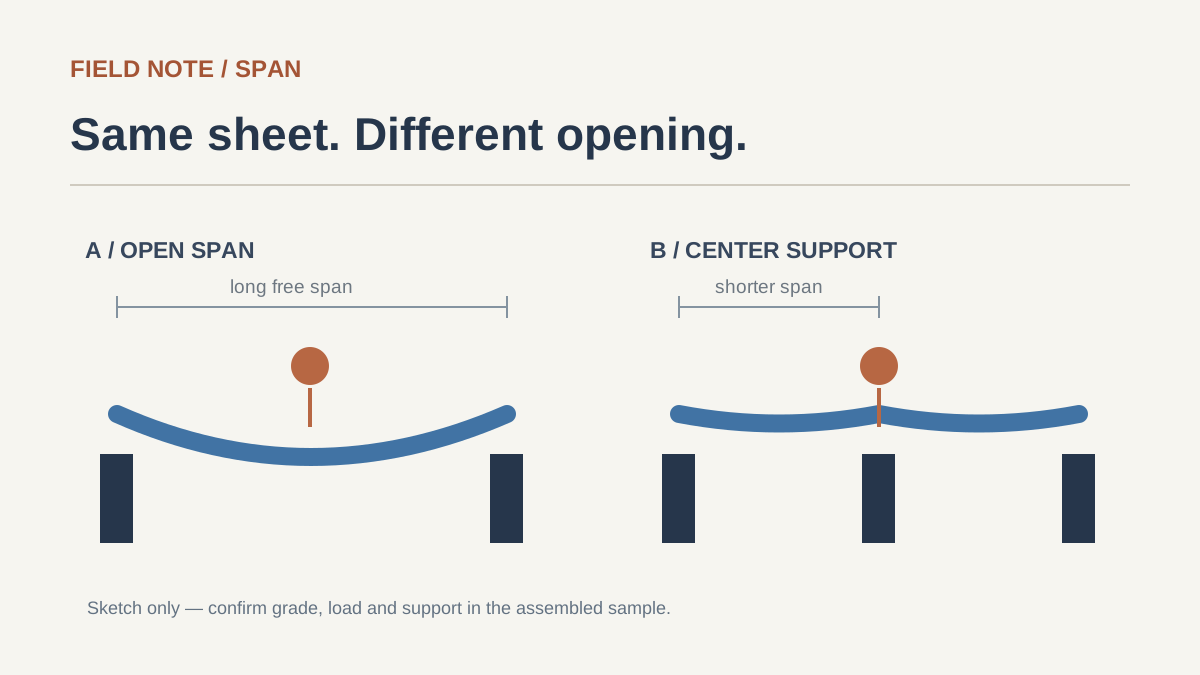
“5 mm acrylic” describes a sheet, not a shelf. On the drawing, mark the clear distance between supports. Then note whether the panel is supported along two edges, within a frame, or at a few fixing points. Those details change how the same material behaves.
Describe the load in plain terms: which products will sit on it, where they sit, and whether they stay there for weeks. Acrylic can deflect under sustained load. A return flange, rib, frame or center support may be more useful than simply ordering a thicker sheet.
BEFORE PRODUCTION
Make the sample earn its approval
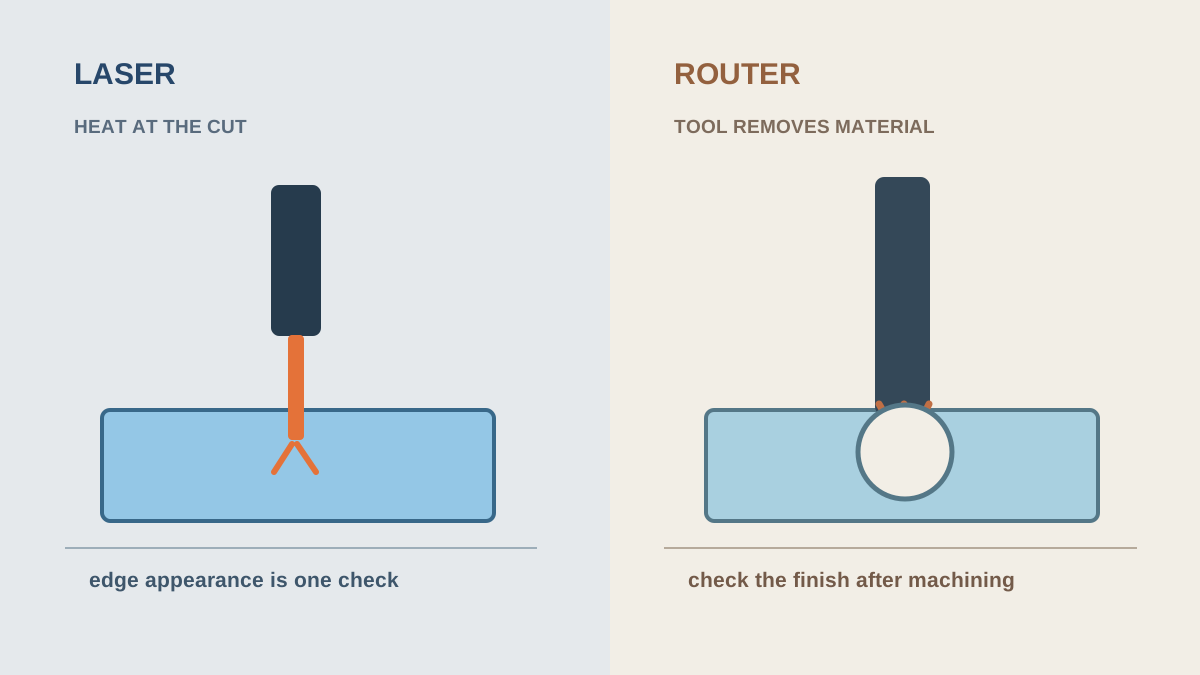
Ask for a prototype at the intended width and thickness, supported the way it will be in the final display. Put the real objects on it. Look at the front edge from customer eye level, where a small sag is easier to notice.
- On the drawing
- Clear opening, sheet grade, thickness and every support point.
- At the sample review
- Actual load, acceptable visible deflection and the exposed edge finish.
- For a large panel
- Use the specified load and mounting arrangement in an appropriate engineering check.
A number on a thickness chart can start the conversation. The assembled version decides whether the shelf feels right.