Check an acrylic wine bottle holder with the actual bottle shape, contact points and display position. Nominal bottle volume does not define the outside geometry or prove that a bottle-and-holder combination will remain stable during use.
Record the complete bottle, including its packaging
Give each intended bottle a reference ID and measure its outside profile. Include the base, widest body section, shoulder, neck and closure. A gift sleeve or decorative wrap belongs in the measurement if it will stay on during display.
Two bottles marked with the same volume can present different shoulders, neck lengths and base shapes. A drawing of the intended bottle is more useful than a request for a stand that holds a standard bottle. State the filled condition and obtain the actual weight from a reliable product record or measurement.
Add the desired display angle and the label face that should be visible. A holder may accept the bottle while putting its main label against a support or toward the counter. Photograph the intended viewing side alongside the measurement record.
Mark where the holder touches the bottle
Identify the proposed contacts on both the bottle outline and the holder drawing. A curved cradle, a neck-opening support and a grid rack use different arrangements. Compare each format with the same bottle inventory.
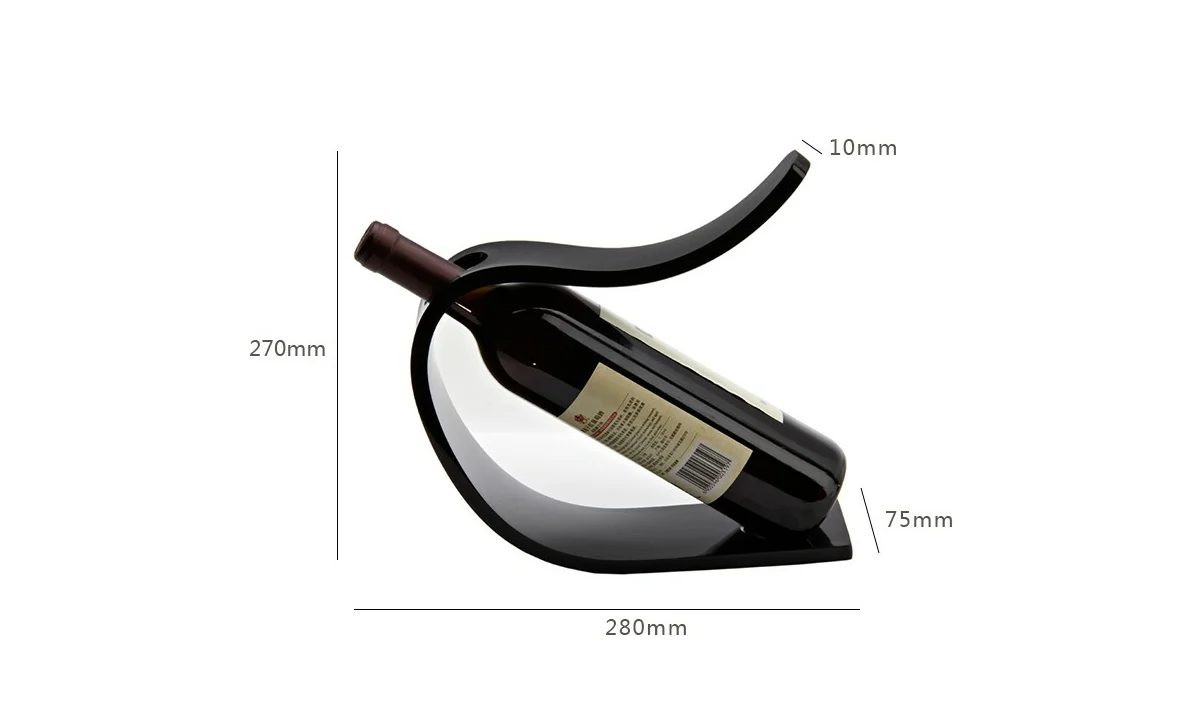
In the reference photograph, the upper and lower supports meet different parts of the bottle. It is a useful prompt to review the contact profile. It does not show how another bottle will settle, how the finished edges feel against its surface or what happens when a user starts to lift it.
For a neck opening, review the insertion path as well as the final resting position. The closure and shoulder may pass through different spaces. Ask the supplier to review the complete assembly rather than choosing an opening from the neck measurement alone.
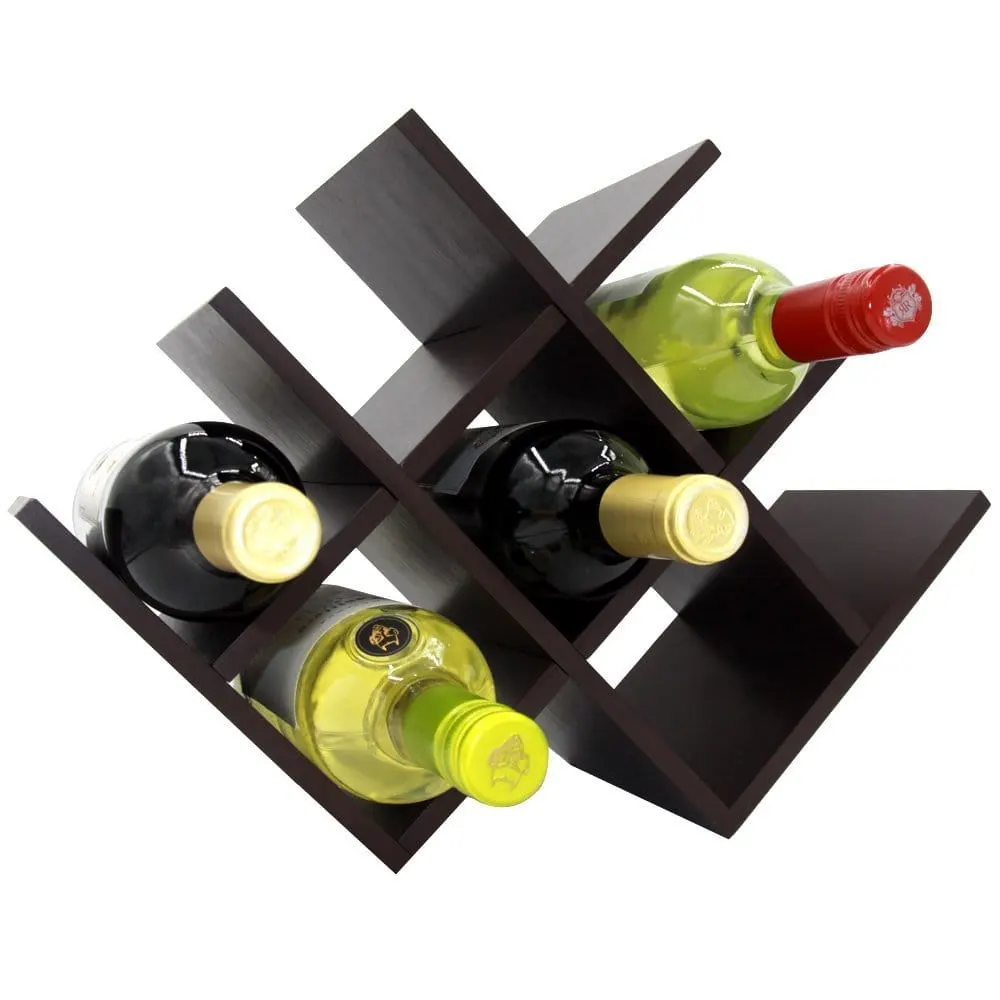
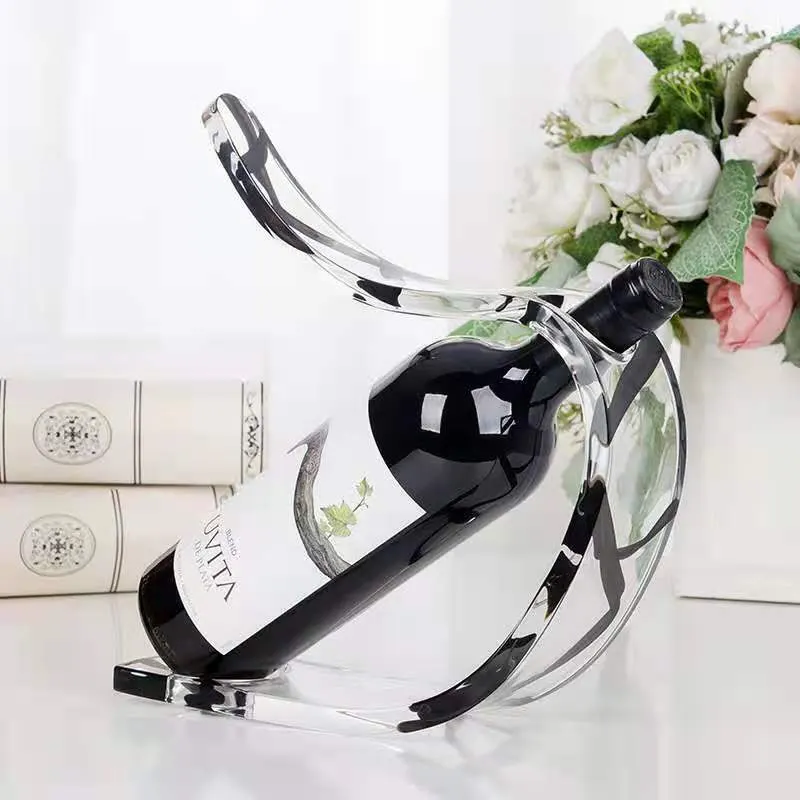
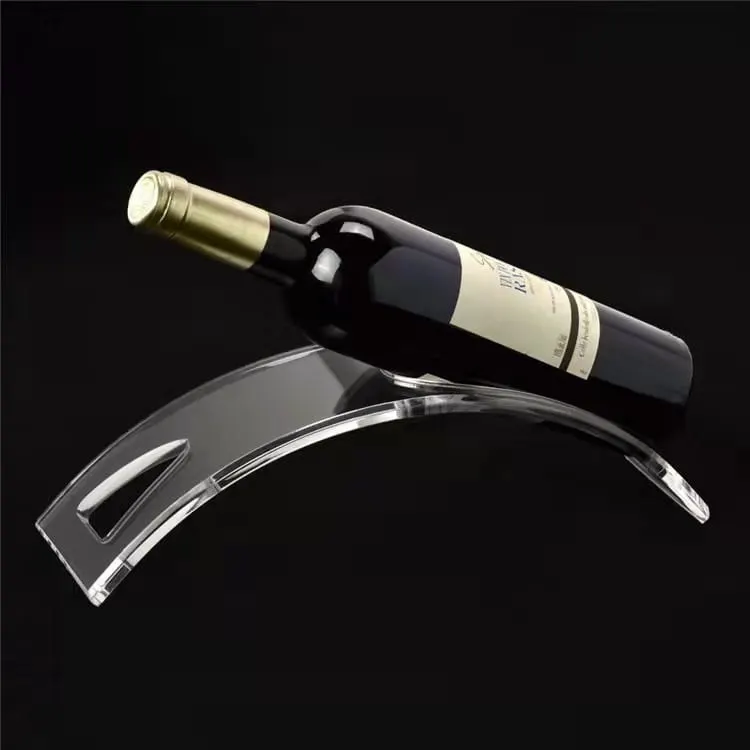
Leave room for the whole removal movement
Show the holder on a plan of the actual counter or shelf. Mark its footprint, adjacent displays, the front edge and the direction from which a person will reach the bottle. Record any shelf above it.
Check the approach, grip, lift and replacement as separate steps. A bottle that clears the stand at rest may meet another object during removal. The selected display position also needs a review when bottles are removed from a group or grid.
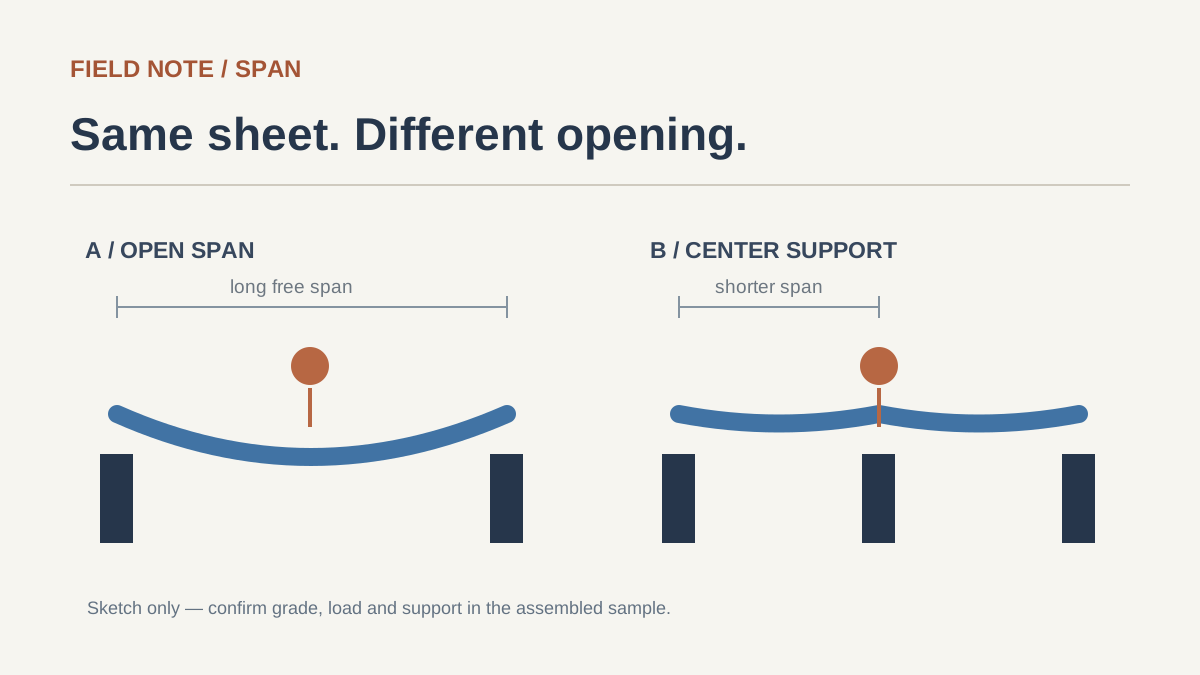
Keep loading and support questions with the supplier review. The existing thickness guide explains why span, connections and support conditions matter; a thicker clear sheet alone does not approve this particular holder.
| Holder reference | Question to resolve | Record to keep |
|---|---|---|
| Curved single-bottle holder | Where do the body and upper support meet? | Bottle outline and contact photo |
| Neck-opening holder | Can the closure, neck and shoulder follow the insertion path? | Insertion sequence and final position |
| Grid or grouped rack | What changes when one bottle is removed? | Loaded arrangement and removal observations |
Approve a named bottle-and-holder combination
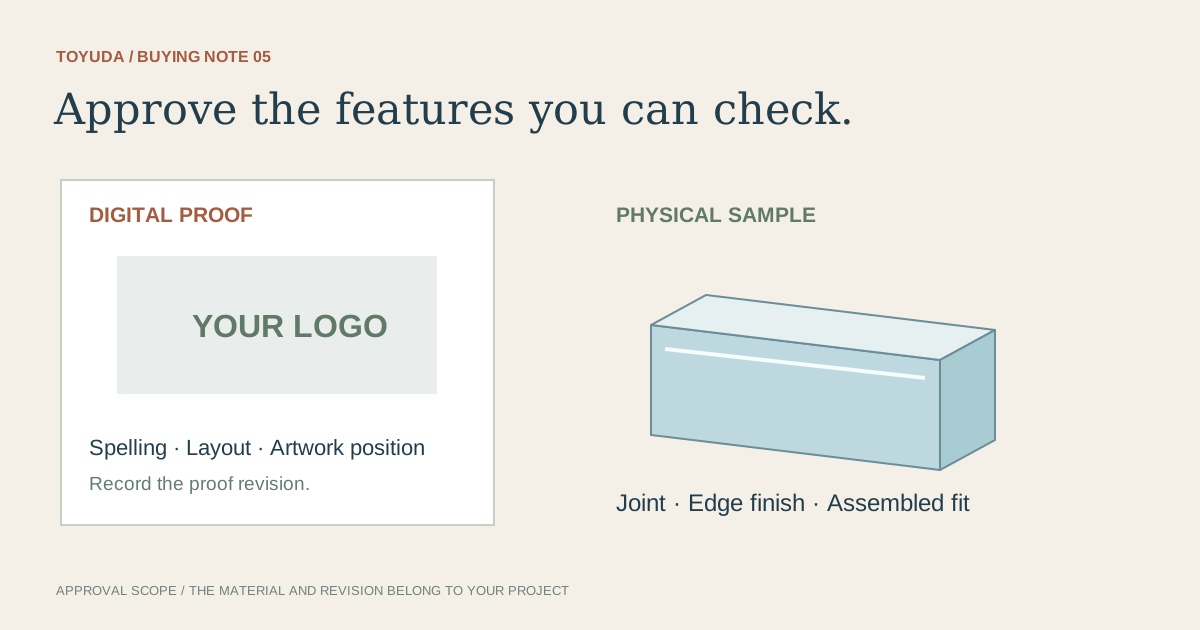
Arrange a representative sample with the intended bottle and proposed display position. Agree the review method and acceptance responsibilities before checking it. Record the bottle ID, stand revision, surface, orientation and loaded condition.
Note the contact locations, label visibility, observed movement and any interference while the bottle is placed, removed and returned. Keep photographs of the agreed arrangement with unresolved points and the person responsible for each decision.
Use the result only for the recorded combination and conditions. A new bottle, changed angle or revised support calls for a fresh review of the affected features. The blank record below provides fields for that review; it contains no completed performance result.
Download the project record
Use this blank record to prepare the enquiry and capture the agreed sample review. Unknown measurements and unchecked results should remain open until they are confirmed.
Acrylic Wine Bottle Holders: Fit, Contact Points and Stability Checks
Bottle ID, revision and filled condition:
Base, body, shoulder, neck and closure profile:
Actual weight and its measurement/source:
Holder reference and proposed material/finish:
Contact locations and desired label face:
Counter footprint, adjacent objects and access direction:
Agreed sample checks and acceptance responsibility:
Observations, photos, unresolved items and decision:
Quantity, individual protection and shipping destination:
Download this blank project record (.txt). Mark unknown entries “To confirm” and retain the approved revision.
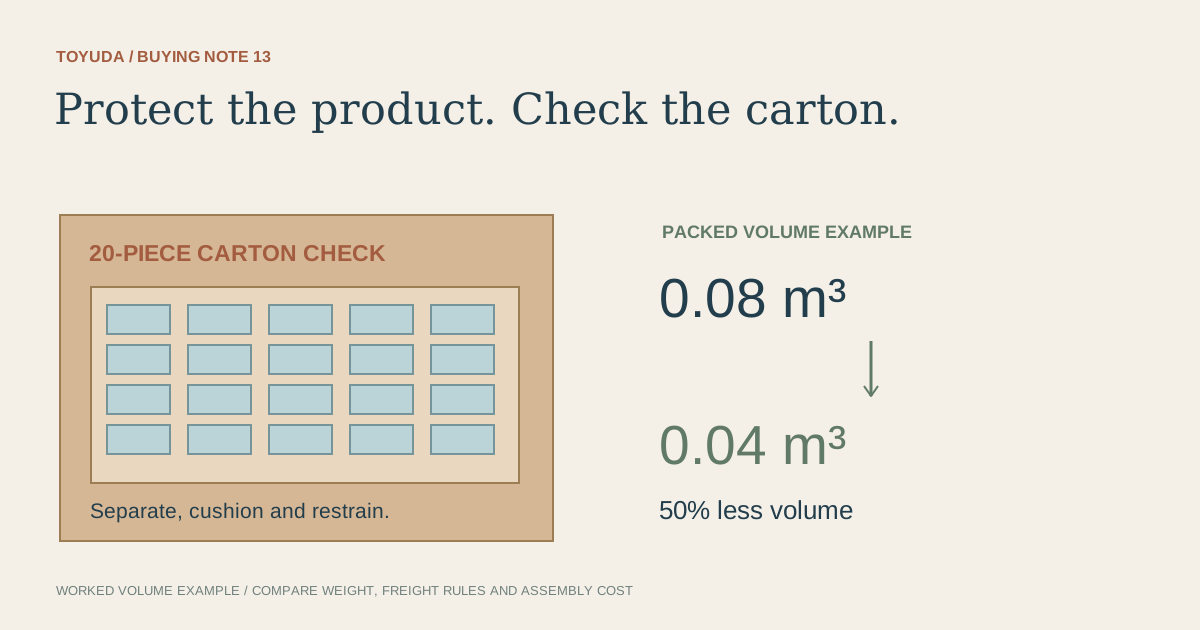
For support questions, read the acrylic thickness and support guide. Connect the agreed result to sample approval and the shipping pack.
Two specification questions
Do all bottles of the same volume fit the same holder?
No. Check the outside profile, contact locations and handling path of each intended bottle.
Does the reference photo establish a load rating?
No. Confirm the proposed construction and review conditions with the supplier for the actual bottle and stand.
Send the bottle profile and intended counter position. TOYUDA is a trading and supply-chain coordination partner and can coordinate the specification and sample review with suitable suppliers.
Apply this guide to your project brief
Use the completed specification record to review the selected reference with its actual contents and site.
- Retail display fit references
Compare the proposed format, dimensions and sample review scope.
Prepare your quantity, artwork and delivery details before requesting a quotation.