Before an acrylic display goes onto the counter, check which layer you are about to peel. A careful unpacking sequence protects the finish underneath.
ACRYLIC / PMMA / PLEXIGLASS
Identify the temporary masking first
Acrylic display parts often arrive with paper masking or a removable plastic film. Acrylic sheet is commonly made from polymethyl methacrylate, or PMMA. Buyers also use the word plexiglass; PLEXIGLAS® is a registered acrylic brand. The name alone does not identify a particular sheet grade, surface finish or removable layer.
Check the packing note for the viewing face, print side and any coated surface. A loose protective corner may be a starting point. A printed graphic, mirror backing or permanent laminate needs a different decision. Ask the supplier to identify an uncertain layer before lifting it.
Remove the film at the agreed installation stage
Keep the unpacking instruction with the carton until the display reaches its final location. Confirm which operations need access to the surface. For example, a fixing may trap a film edge, while a removable sign panel can be unpacked separately from its base.
ACRYLITE recommends retaining masking through most fabrication steps and removing it soon after installation. Some heating operations require earlier removal. Its handling guidance also keeps masked sheet away from heat and sunlight. Follow the named film and sheet instructions rather than setting a universal storage deadline.
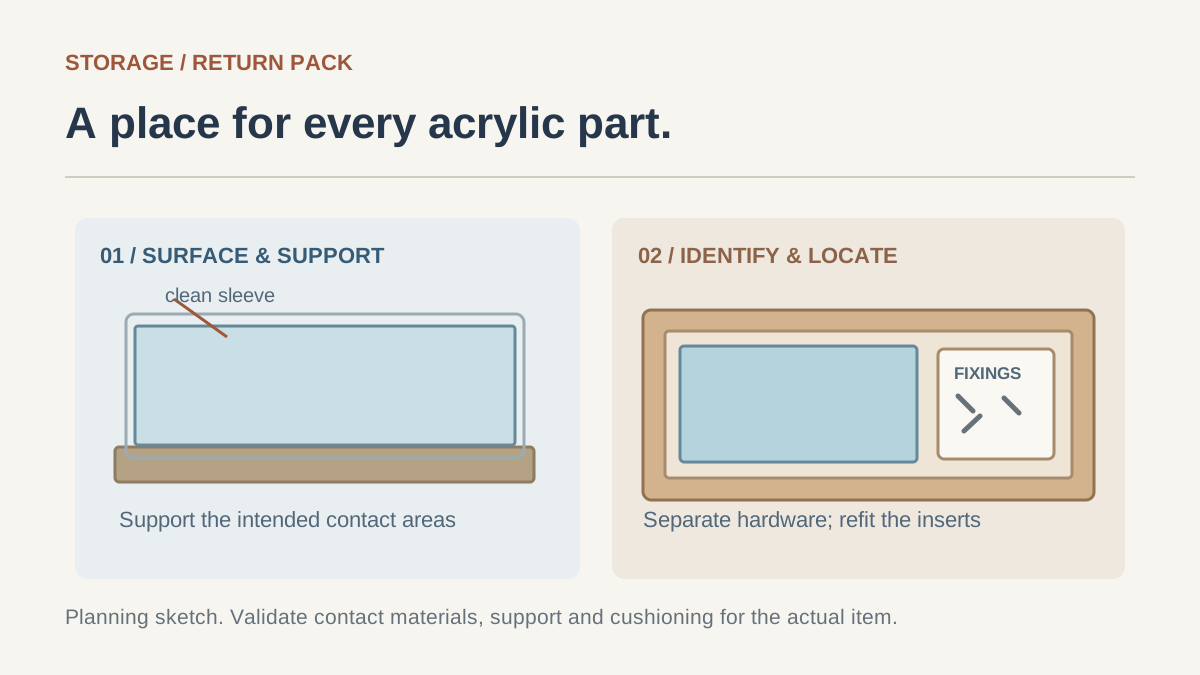
For an event kit that will be packed again later, plan separate reusable protection. Our acrylic storage and repacking guide explains how to record that return arrangement.
Support the part before pulling on the masking
The following sequence is a practical handover checklist for a finished item whose supplier has confirmed that the masking is removable.
- 01
Prepare a clear work area
Set aside a clean support surface, a place for discarded masking and the assembly drawing. Keep screws and tools away from the exposed viewing face.
- 02
Hold the supported component
Place a flat part on its support. Hold an assembled display by its stable base. If access requires dismantling, use only the joints the supplier designed to come apart.
- 03
Start at an identified loose corner
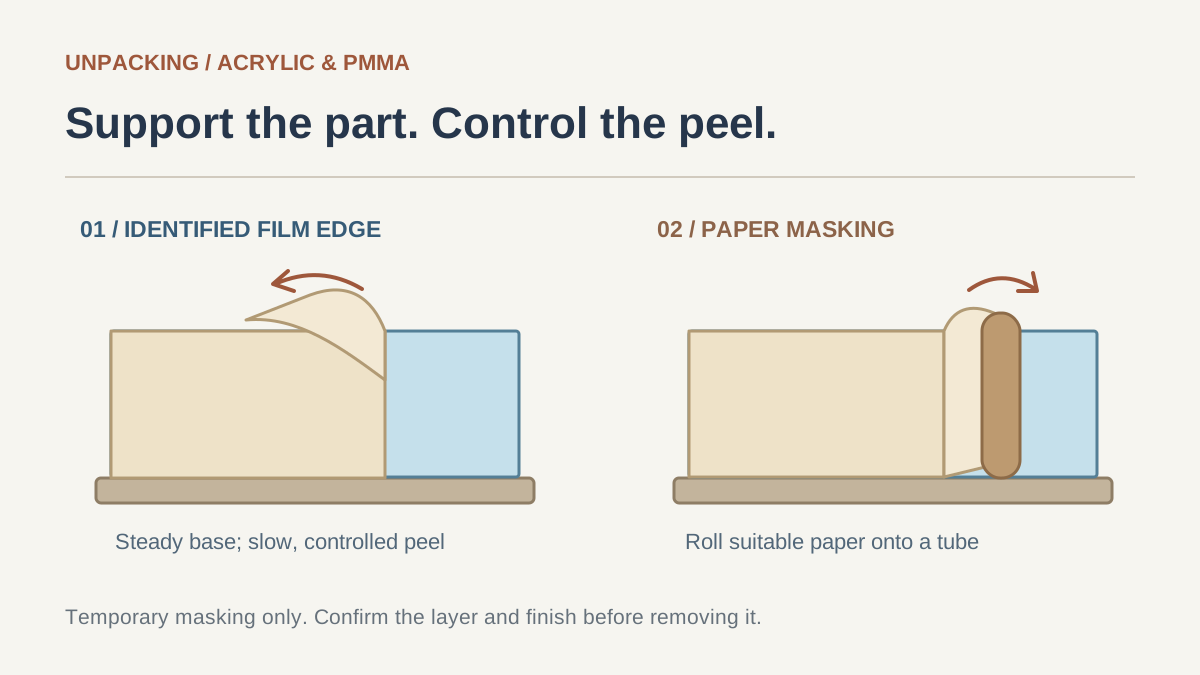
Take hold of the free masking edge by hand. Fold it back and peel in a controlled movement while keeping the component steady. Stop if the part bends or a joint moves.
- 04
Collect the removed layer
Keep loose masking away from the exposed face. For paper-masked sheet, ACRYLITE describes rolling the paper around a cardboard tube. Confirm that method suits your component before using it.
- 05
Inspect each face before assembly
Compare the exposed part with the approved sample or drawing. Photograph an unexpected mark before further treatment, then follow the product's cleaning and installation instructions.
Stop when the masking tears or leaves adhesive
Repeated tearing, adhesive patches or an edge that will not lift call for a supplier check. Send the film reference if available, photographs of the complete part and the affected area, and its storage history. Explain whether the area is printed, coated, bent or bonded.
Avoid scraping with a blade or applying a heat gun as an improvised shortcut. Solvent compatibility varies with the sheet and its finish. A remover approved for one bare sheet may be unsuitable for an assembled display. Ask for a written method for the exact product before treating adhesive residue.
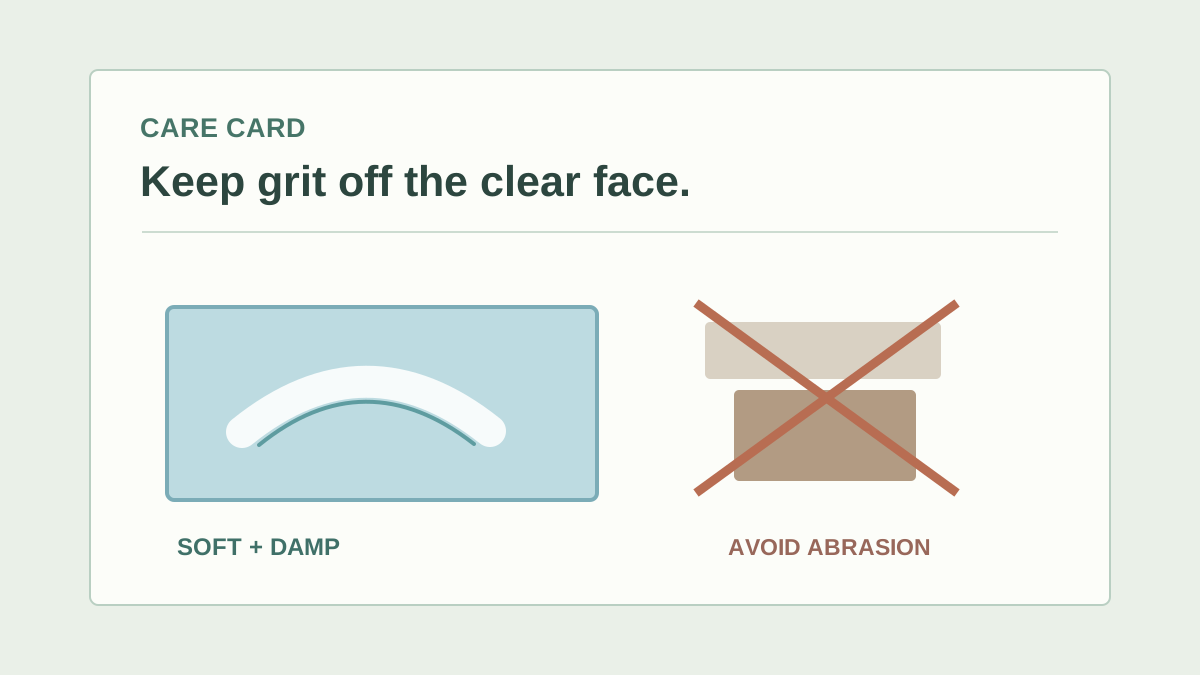
For ordinary dust after unpacking, PLEXIGLAS recommends a soft, damp cloth and, when needed, a little dishwashing detergent. Check decorated areas separately. See our acrylic care-card guide for the everyday handover and surface troubleshooting guide for unexpected marks.
Common questions about acrylic protective film
Why does a new clear acrylic part look blue or cloudy?
Check the packing instruction for coloured or paper masking on either face. If the identified temporary layer is removed and the appearance still differs from the approved sample, photograph it and contact the supplier.
Should I peel both sides of plexiglass?
Follow the instructions for the actual part. Both faces may have removable masking, but a printed or coated face may have a permanent layer that must stay in place.
Can I leave the original film on for the next exhibition?
Ask about the film's permitted storage conditions and removal timing. For repeated use, agree on a reusable sleeve or packing system rather than assuming the original masking is suitable indefinitely.
For a custom project, include the removal sequence and care note in the acrylic order specification. TOYUDA can discuss these handover requirements with suitable suppliers when reviewing your project brief.