Specify a custom acrylic serving tray from the complete set of items it must hold, then record the usable base, outside size and grip arrangement separately. Include the intended load, contact conditions and handling sequence so the supplier can review the complete tray rather than its outline alone.
Arrange the complete service set before choosing a size
Measure every item in its ready-to-use form and place the complete set on a full-size paper layout. Include saucers, packaged accessories and anything that projects beyond the item's base.
For example, a bottle's base does not describe the room needed to grasp its neck, and a cup measurement may omit the handle. Record each item's footprint, height, quantity and filled weight where relevant. Keep removal space distinct from the area occupied while the item is standing.
The diagram below uses a fictional sealed bottle, cup with saucer and wrapped carton. It illustrates placement and handling questions; it does not specify a stocked tray size, an approved load or a food-contact material.
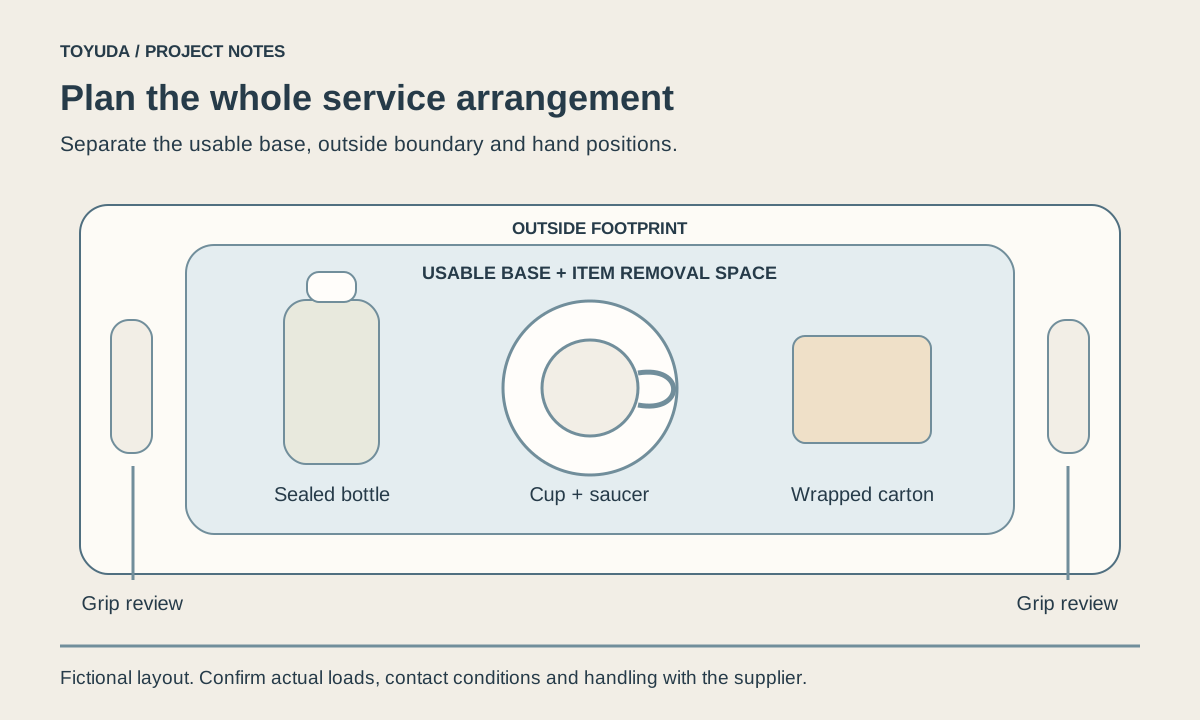
Separate usable base, outside dimensions and grip space
Ask for the usable inside length and width as well as the complete outside dimensions. Mark any curved corners, joins, wall slopes or projections that reduce the area available to the service set.
Define the side height from an agreed reference surface and show where the contents sit relative to it. A raised edge can influence access, but its presence alone does not establish spill containment or liquid-tight construction.
For cutout handles, show the opening, adjacent edges and proposed hand position. Review the actual grip with the intended load and routine. Leave the required dimensions open for supplier review if they are not yet known; do not borrow a universal handle size from another tray.
Show the location where the loaded tray is placed, too. A service trolley, counter recess or shelf may restrict its outside footprint even when the items fit inside.
Compare rectangular and round references using the same contents
Use the same service set when comparing formats. A rectangular base and a round base create different usable arrangements, and their carrying methods need separate confirmation.
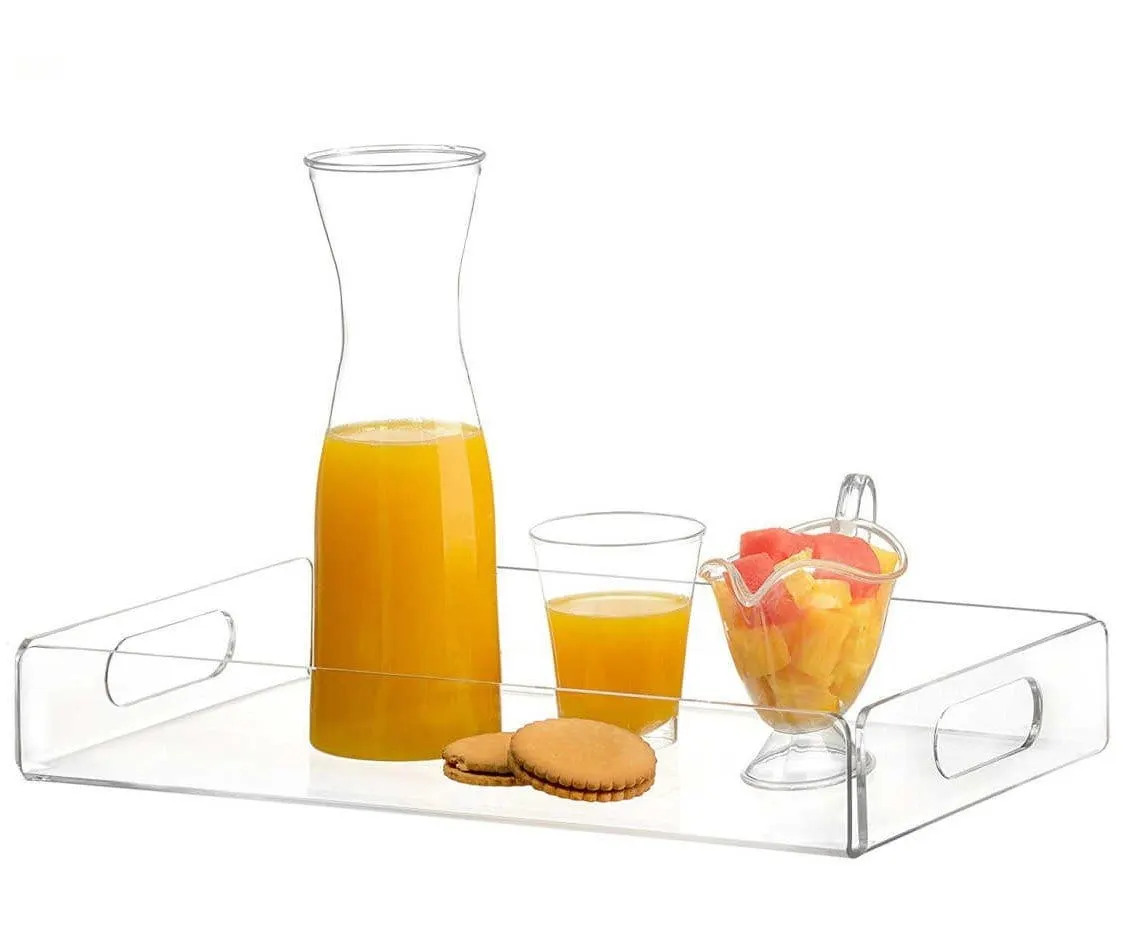
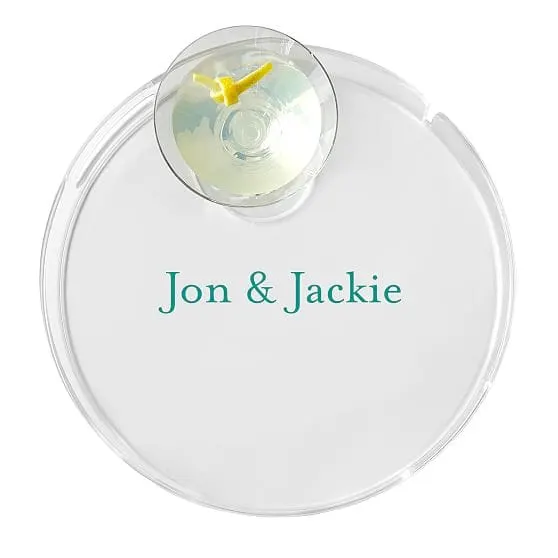
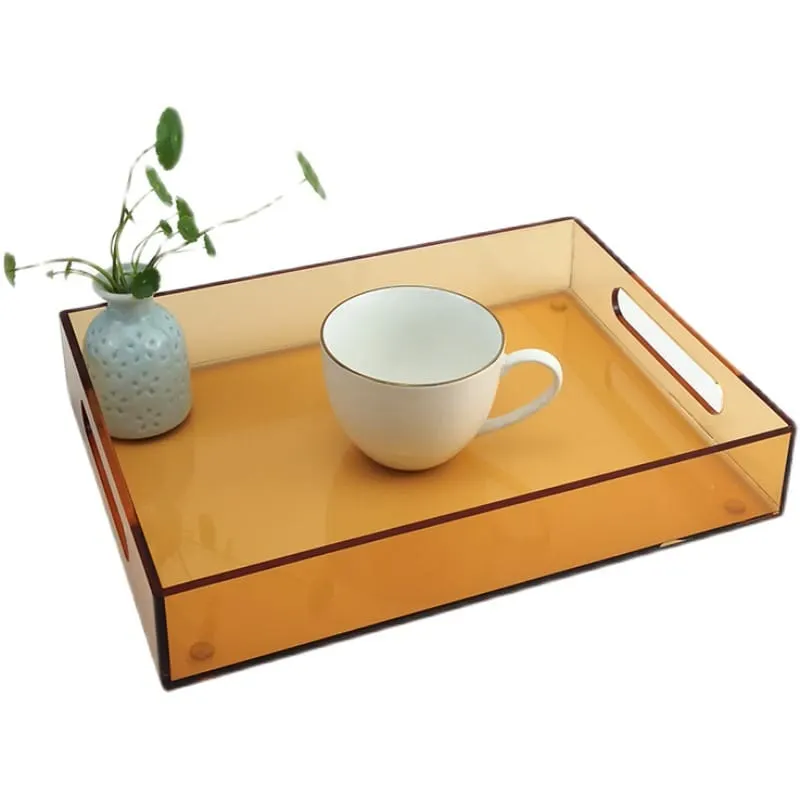
| Reference | Layout question | Handling question |
|---|---|---|
| Rectangular cutout-handle tray | Does the full arrangement fit between the inside walls? | Can hands use both openings without conflicting with the contents? |
| Round tray | Do the outer items fit within the usable circular base? | What support and lifting arrangement suits the selected construction? |
| Colored rectangular tray | Are the labels and contents visible on the chosen background? | Does the loaded sample meet the agreed handling and care brief? |
A stationary napkin holder has a different job: stack access at the service point. Do not treat its opening or wall form as evidence that it is intended to carry a complete service set.
Declare contact, temperature and cleaning conditions
Tell the supplier what will touch the tray and how it will be cleaned. Distinguish sealed packages, tableware and any direct contact with unwrapped food.
List hot objects, possible spills and the cleaning products or routine you expect to use. Request suitability information for the actual material, decoration and fittings. A clear appearance or a serving-tray product label does not establish approval for every contact condition.
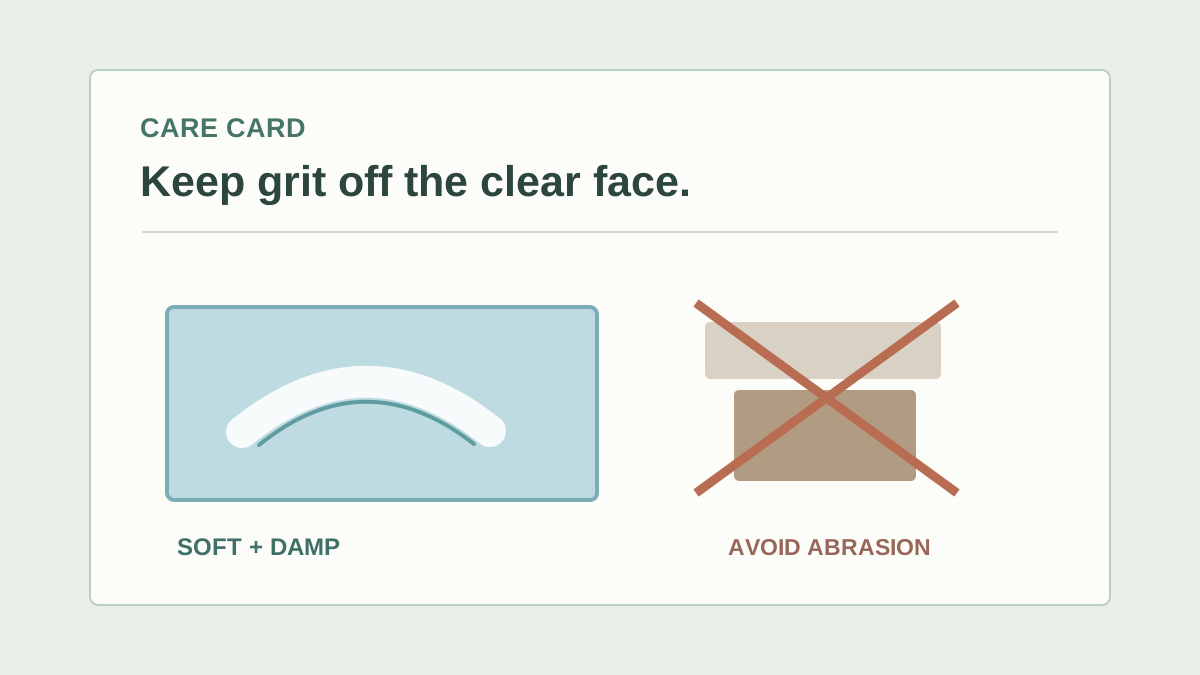
Review the selected finish with the actual service items under the intended lighting. Iridescent or colored references may change how labels and reflections look; their appearance does not define a different load rating. Keep the agreed care instructions with the finished-product cleaning record.
Trial the full placement, lifting and unloading sequence
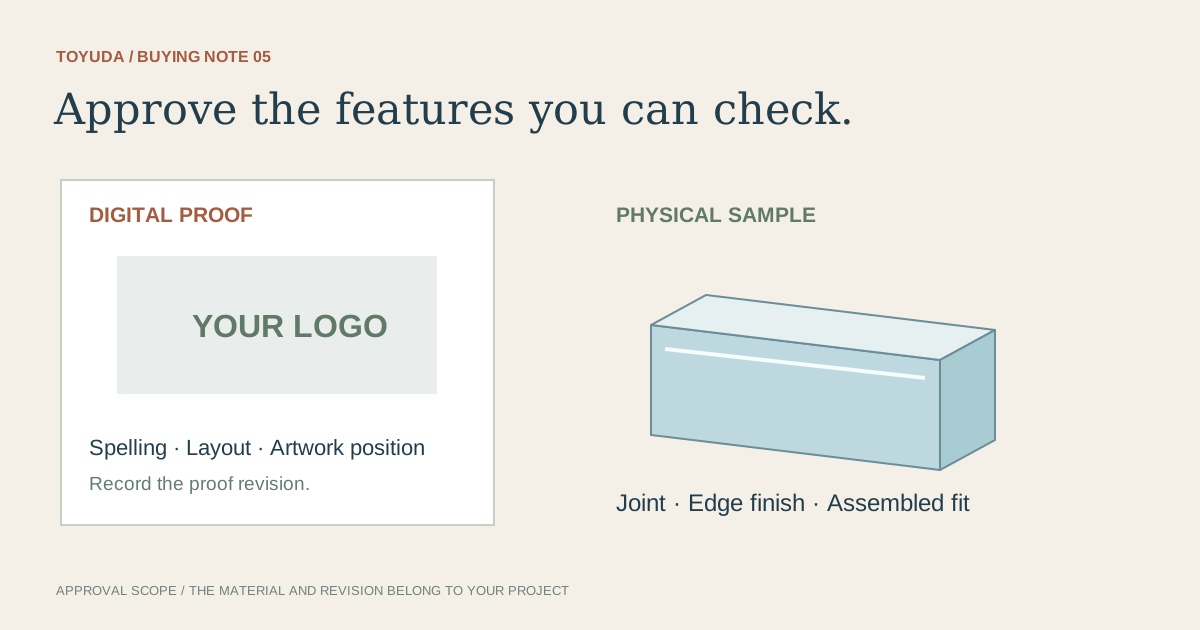
Review a representative sample with the complete intended arrangement and an agreed handling method. Record observations against specific items and actions rather than simply writing “tray approved.”
Place each item, establish the grip, lift as agreed, set the tray down and remove the contents. Note interference at handles, crowded corners, visible movement, standing stability and any finish issue. Agree the scope of this trial with the supplier; it is not a substitute for a required performance assessment.
Custom serving tray brief
Project / revision / date:
Reference format and service location:
Complete item IDs, footprints, heights and actual loads:
Usable inside base and outside size limits:
Side height, corners, joins and projections:
Grip openings, hand positions and lifting method:
Contact, temperature, spills and cleaning conditions:
Finish, color and artwork reference:
Sample trial scope, findings and unresolved items:
Individual protection, carton arrangement and quantity:
Download this blank project record (.txt). Mark unknown entries “To confirm” and retain the approved revision.
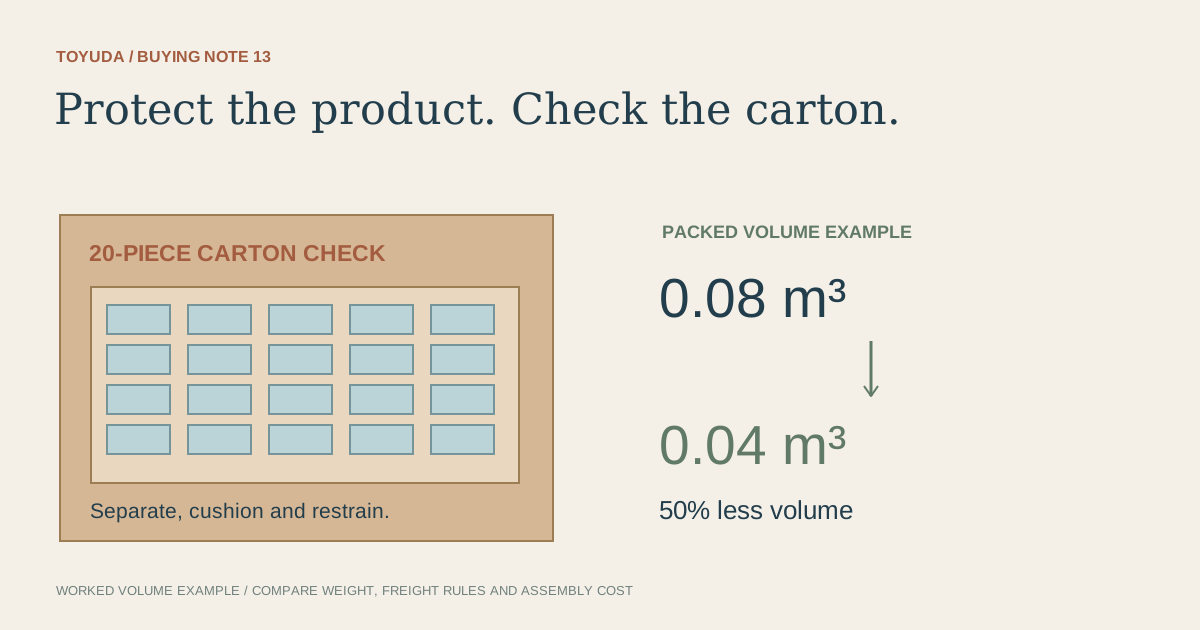
Keep the layout and handling findings with the sample approval. Confirm how the tray's surfaces, edges and openings will be protected in the shipping pack.
Two serving tray specification questions
Is the quoted outside size the usable base size?
Not necessarily. Ask for both dimensions and identify any walls, curves or projections that affect the service layout.
Can a photograph start the tray enquiry?
Yes. Add the intended contents, measured footprints, handling needs and quantity so the photograph can become a project brief.
Send the service layout and preferred tray reference. TOYUDA can coordinate the specification and sample review with suitable suppliers.
Apply this guide to your project brief
Bring the complete service layout into a review of the preferred tray reference.
- Acrylic Service Tray references
Compare the current reference format with the dimensions, artwork and review scope in your project record.
Prepare your quantity, artwork and delivery details before requesting a quotation.
Compare current product references
Use these formats to apply the guide to a specification. Confirm materials and sample requirements for your project.
- Rectangular Acrylic Serving Trays
Compare the usable base, outer walls and cutout handles with the complete service set.
- Round Acrylic Serving Trays
Review the usable circular area and the selected support and lifting arrangement.