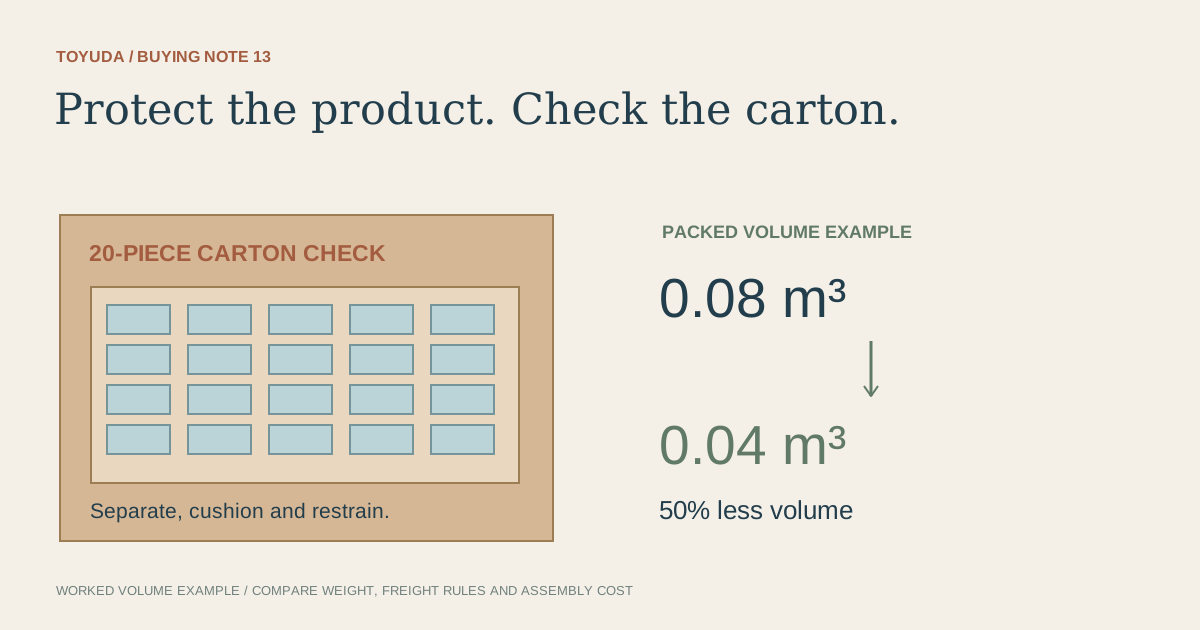
When ordering acrylic trays wholesale, quote by size and finish version. Approve a representative tray and a packed carton for each packing configuration. A tray that stacks on a shelf can still need separate protection in transit if its rim, handles or printed face touch the next tray.
Group round and rectangular trays by the dimensions that affect fit
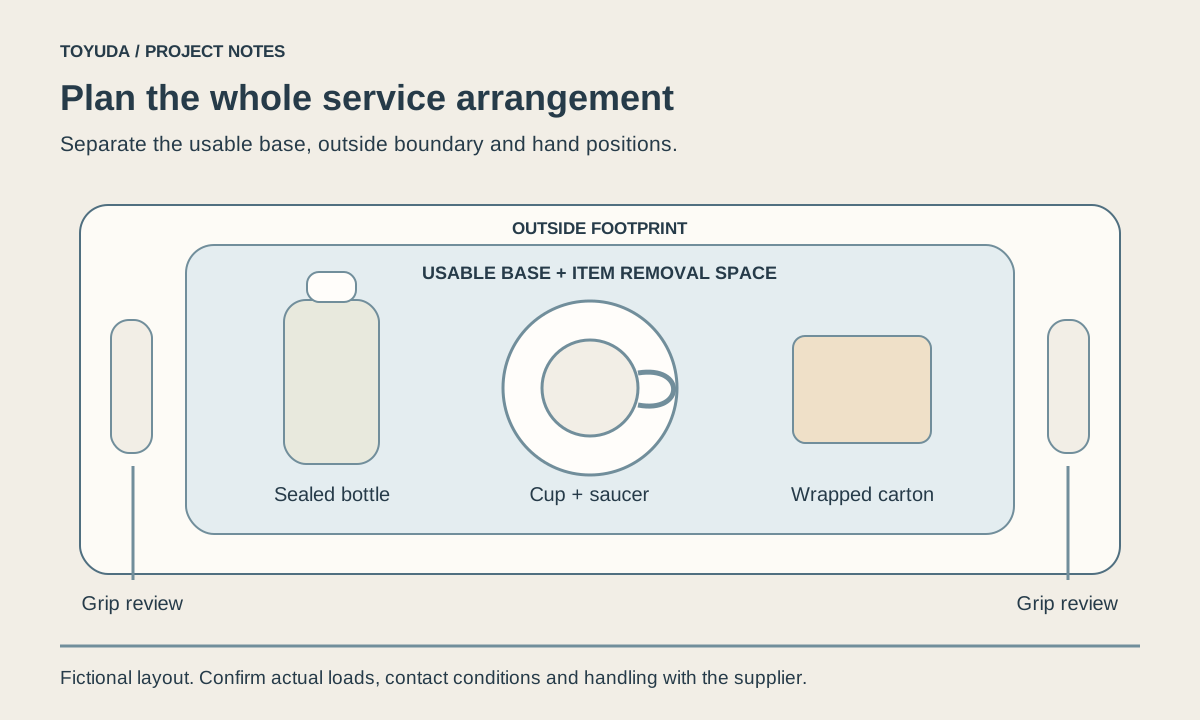
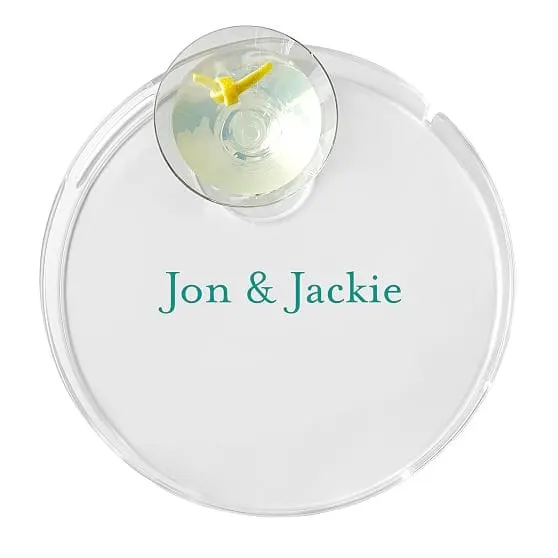
Keep one row per combination of shape, size, handle, finish and decoration. For a round tray, record the usable flat diameter and the outside diameter including the rim. For a rectangular tray, record the flat supporting length and width, the inside corners and the overall footprint. Add rim height and any handle or fitting that affects how the unit sits in a stack or carton.
| Quote line | Use and size inputs | Pack input to keep with that row |
|---|---|---|
| Round tray | Contents layout, usable diameter, outer diameter, rim height and visible decoration | Where the rim or printed base would touch the next tray |
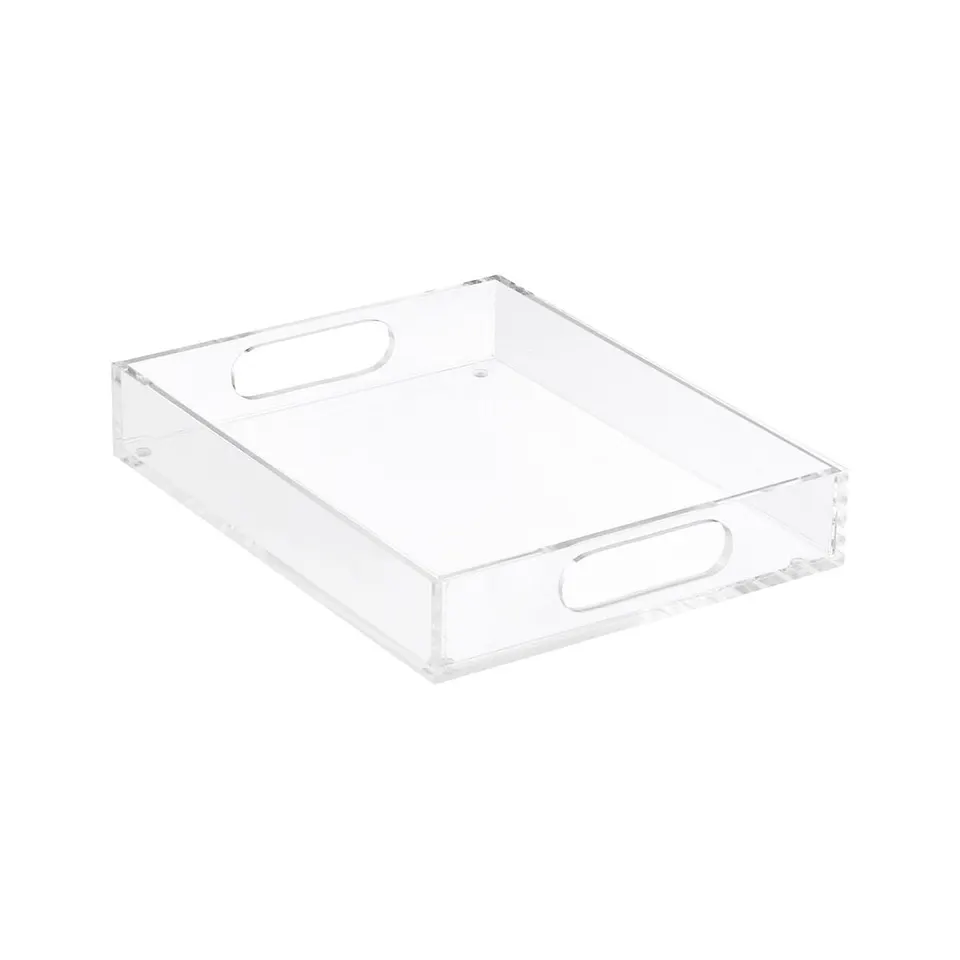
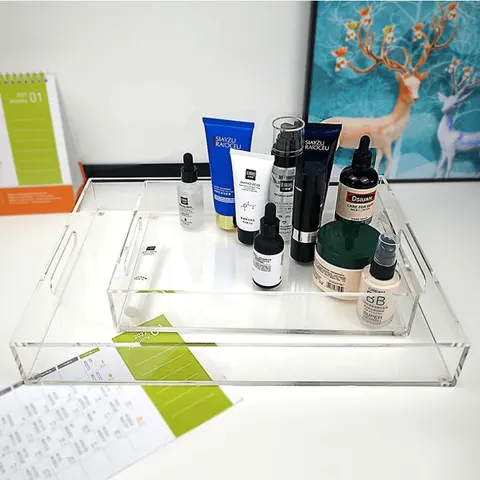
| Rectangular tray | Flat supporting area, interior corner shape, outer dimensions, rim height and handle opening | Where corners, feet or handle edges would touch the next tray or carton |
Use the round tray and the rectangular tray with cutout handles as format references. For a loaded sample trial, start with the serving tray specification guide.
Use a trial stack to find contact points before choosing the pack
Ask the supplier to show a small group of the quoted trays with their intended separators. Check whether one tray nests inside the next, sits on the rim or needs its own compartment. Measure the protected group as packed. Try removing a tray from the middle and look for rubbing where rims, feet, corners or handle edges meet the next piece.
| Condition | Show on the sample | Record for the quote |
|---|---|---|
| Same-size stack | Stack with the agreed separator and check where each layer bears. | Orientation, units per group, separator, and measured group height |
| Nested tray sizes | Try the exact small and large versions together and check fit and separation. | Size sequence, contact points and the way individual SKUs stay identifiable |
| Separate packing | Check the face, rim and handle protection with the tray in its compartment. | Individual wrap, dividers and the space taken by the protected unit |
Photograph the contact points before closing the carton. Check individual protection on any decorated face and ask how corners and handle openings are protected without pressing on the tray. The export packing guide covers the carton schedule, gross weight and handover details.
Reconcile counts by size with full cartons and remainders
In a fictional carton schedule, 48 round trays at 12 per full carton require four cartons. If 30 rectangular trays pack eight to a full carton, the schedule shows three full cartons and a fourth with six. Identify the partial carton and ask how its remaining space will be filled. The example illustrates the count check. Confirm the real count, dimensions and gross weight from the packed sample.
When sizes share a carton, list the quantity of each version and specify the carton label. Ask for packed dimensions and gross weight for full, partial and mixed configurations that will actually ship. Keep any requested transport checks with the packing revision used for the quote.
Request a quote with quantities and packing by version
Wholesale acrylic tray RFQ
Version ID, shape, finish, artwork and quantity:
Contents and filled weight, usable base, rim and outer dimensions:
Handle type, grip clearance and carrying method:
Stack or nesting sequence, contact points and individual protection:
Units by version per carton, carton dimensions and gross weight:
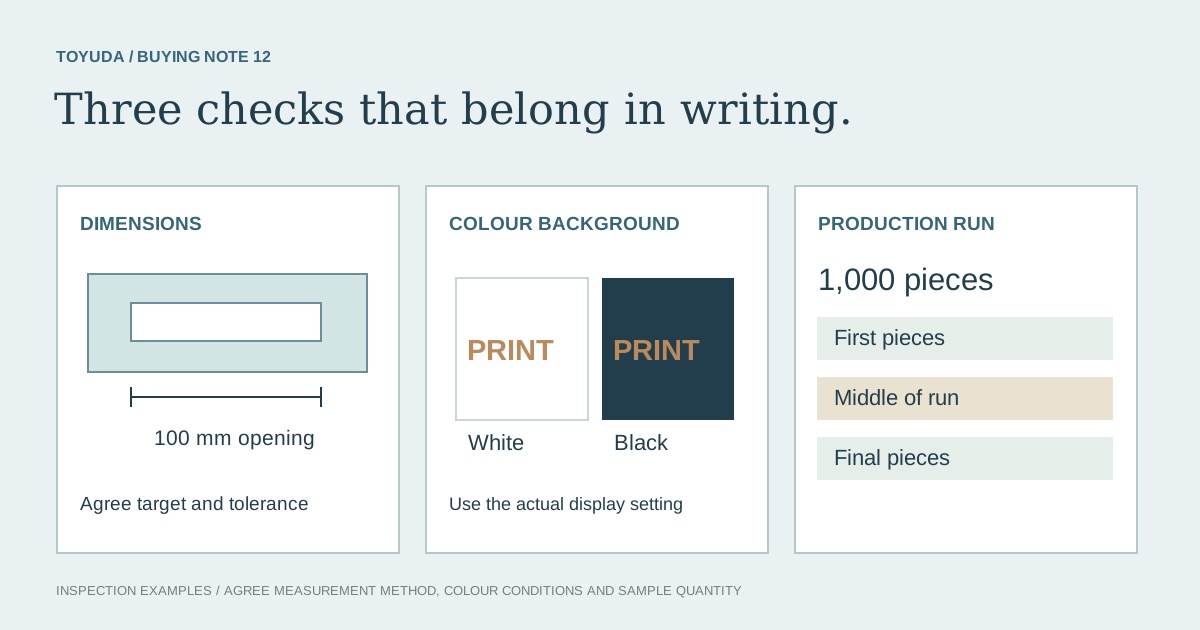
Destination, target date and packed sample checks:
Download this blank project record (.txt). Mark unknown entries “To confirm” and retain the approved revision.
Choose a starting format from the acrylic tray category. Send your tray and packing brief with the destination and intended use. TOYUDA can coordinate the specification, packing and sample review with suitable suppliers.