Before importing custom acrylic displays from China into the U.S., give your customs broker a drawing, materials list, intended use and origin details. Ask for the 10-digit HTSUS classification, applicable Chapter 99 provisions and an entry estimate before the shipment leaves.
What HS code applies to an acrylic display stand?
In ruling N318406, U.S. Customs and Border Protection (CBP) classified one acrylic cosmetic stand from China under 3926.90.9985. Use the ruling to compare the specific product with yours. The international HS subheading is six digits, 3926.90 in that example. The U.S. schedule adds further digits for tariff and statistical reporting.
Ask your acrylic display stand supplier for product photos and a description of the principal use, materials and assembly. A PMMA sheet may fall under 3920.51 when it meets that subheading's sheet criteria. A fabricated stand, cabinet or mixed-material fixture requires its own review. For a lit display, include the light source, power supply and role of illumination in the design.
For a new design or significant repeat program, discuss whether an advance CBP ruling would help settle classification. Use the product drawing and component list in the original quote request. See what to include in an acrylic RFQ.
Estimate U.S. duties, fees and landed cost
Ask the broker to confirm customs value, which is often based on the price paid or payable with applicable adjustments. Identify tooling or other buyer-supplied inputs and itemize freight and insurance so the broker can determine their treatment.
| Budget line | What to confirm before booking |
|---|---|
| Base duty | The rate for the confirmed HTSUS line and origin treatment in the current schedule. |
| Additional duties | The applicable Chapter 99 numbers, their scope and exclusions, and which charges apply together on the entry date. |
| CBP fees | Merchandise Processing Fee (MPF), including any minimum, maximum or exemption. For qualifying vessel cargo, check the Harbor Maintenance Fee (HMF). |
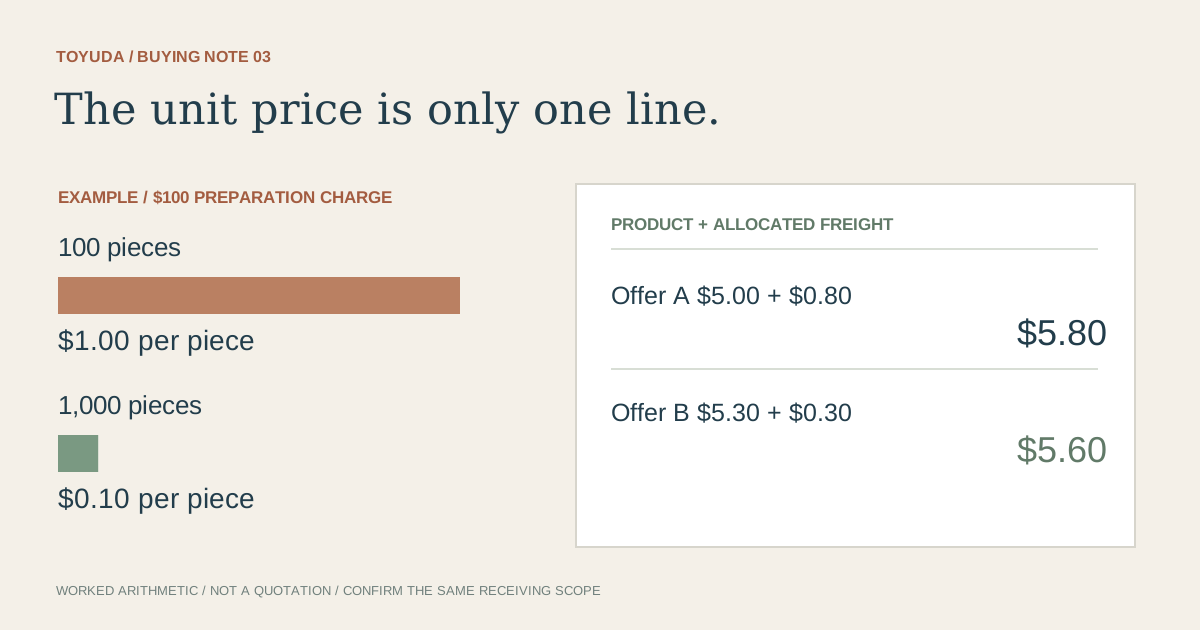
| Logistics and service charges | Packing, freight, insurance, brokerage, bond, port handling and final delivery. Use the same delivery point and scope when comparing quotes. |
For a calculation example, suppose a broker confirms a customs value of $10,000 and two duties of 5% and 10%, both assessed on that value. The duties would be $500 and $1,000, or $1,500 before fees. The rates in this example are hypothetical. Keep a separate line for each fee and each non-customs cost in your landed-cost estimate.
CBP lists a 0.3464% MPF rate for formal entries, subject to annual minimum and maximum amounts and applicable exemptions. HMF is 0.125% for qualifying vessel cargo at covered ports. Confirm current fees and the assessment basis with the broker. Compare quotes on the same delivery scope.
Where to check current U.S. tariffs on China-origin goods
Check the USITC tariff schedule for the base rate and Chapter 99 provisions, then check USTR's notices and exclusions. The July 2026 Section 301 action concerning forced-labor import prohibitions lists an additional 12.5% rate for covered China-origin goods, with product exceptions. Review its scope separately from the earlier China Section 301 lists. Ask the broker to document which measures apply to your specific HTSUS line and entry date.
Have the broker record the source and date of the estimate, along with any exclusion or special provision used. Recheck it before entry if the classification, origin, timing or measures change. For a sample shipment, provide an accurate description and declared value, and ask the broker or carrier which entry procedures apply.
Prepare the documents your broker needs
- Product description and drawings. Show how each SKU is used, how it is assembled and whether it includes a light, battery or other electronics.
- Materials and origin details. Identify acrylic and other components, plus where the relevant manufacturing steps took place. The ship-from port alone cannot establish origin.
- Commercial invoice. Match the SKU, description, quantity and value to the approved order. Flag tooling or other charges for review.
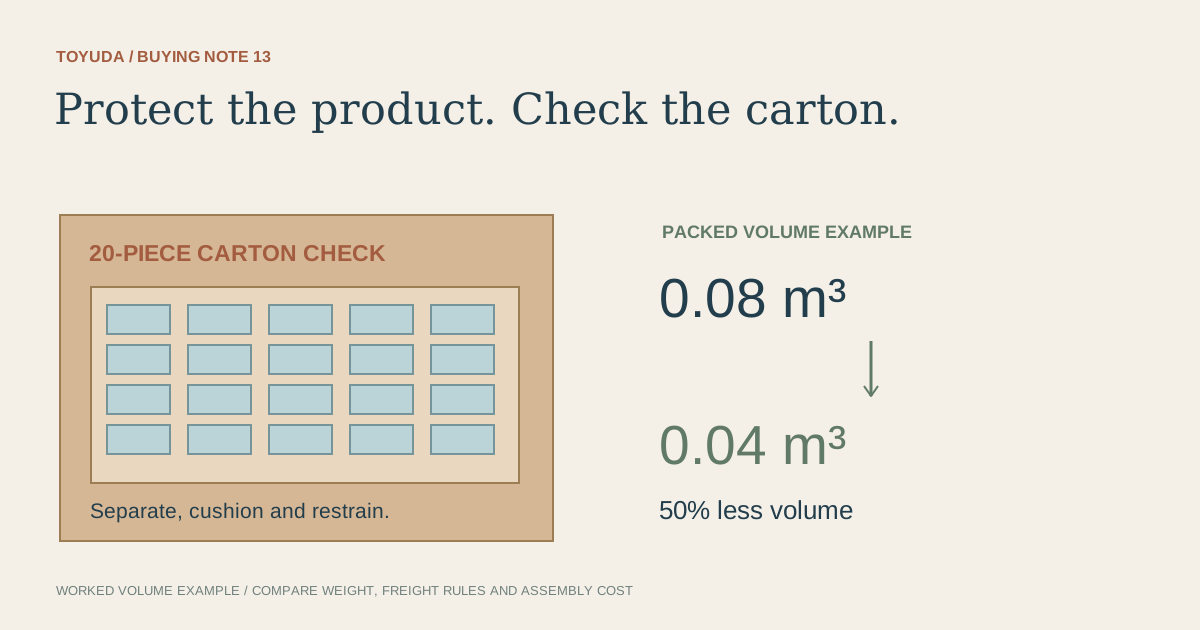
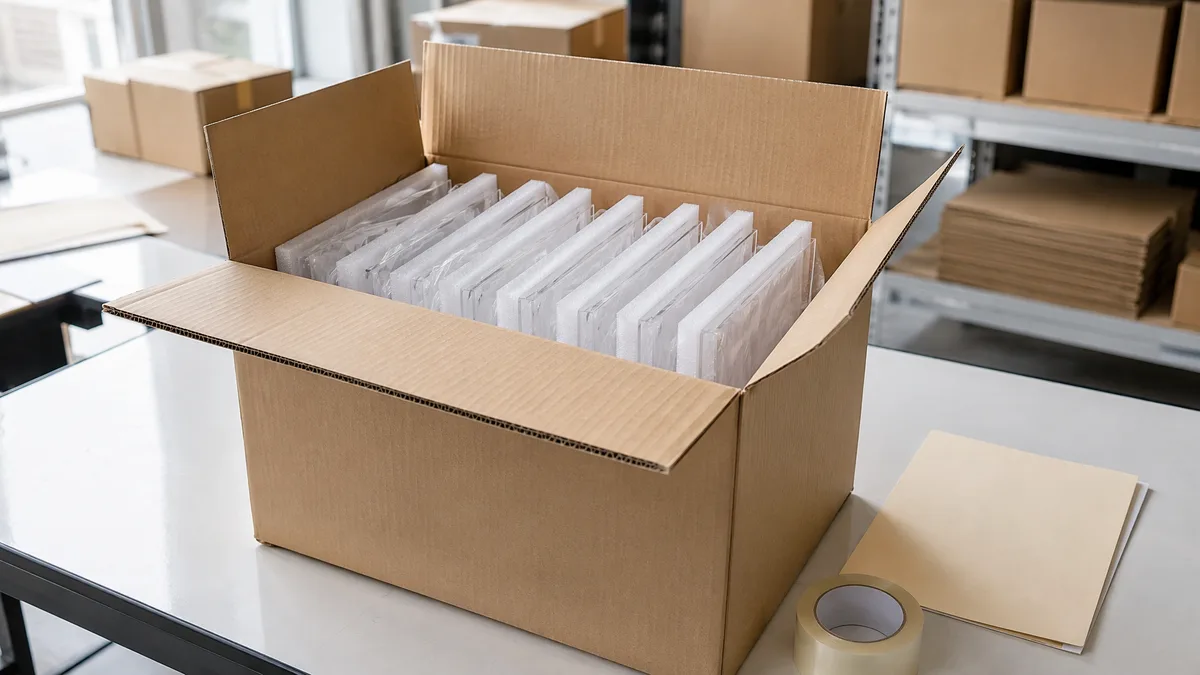
- Packing list. Match each carton to the SKUs, counts, dimensions and weights. Use the acrylic export packing checklist.
- Freight plan. Confirm the transport mode, port or airport, expected entry date and named delivery point.
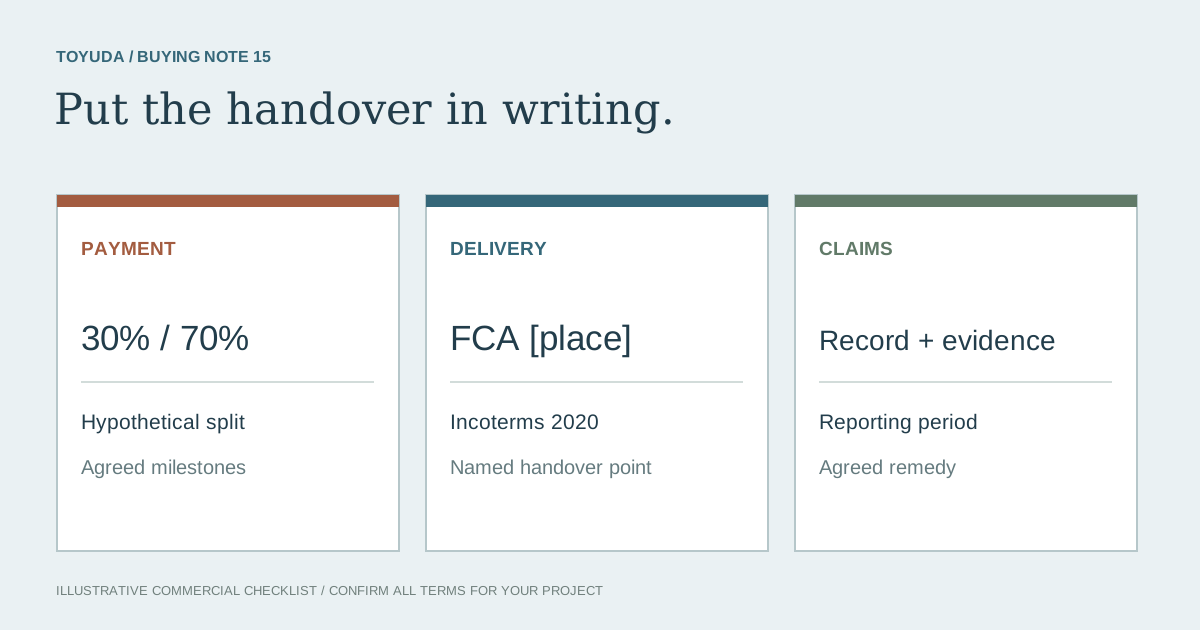
- Delivery terms and importer of record. Record the Incoterms® rule and named place, identify the importer of record and confirm who appoints the broker.
Under DDP, the seller handles import clearance and duties under the agreed term. Confirm that the arrangement identifies the importer of record and provides entry records. Under FOB, delivery occurs on board the vessel at the named port of shipment and the buyer handles import clearance. For container cargo handed to the carrier at a terminal, consider FCA. Confirm costs, handoff and responsibilities in the order. Review delivery terms and claims before ordering.
If you also need recycled sheet, add the grade and evidence requirements to the drawing and order. Specify recycled acrylic for displays.
Acrylic display import FAQs
Do acrylic displays from China all pay the same U.S. duty?
The estimate depends on the product classification, origin, customs value, applicable measures and exclusions at entry. Ask for a line-by-line estimate for each distinct product.
Do LED-lit stands use the same tariff code as unlit stands?
Have the broker review the role of the lighting and the construction of the whole article. Provide photographs, electrical details and the intended use.
Can the supplier confirm the U.S. import code?
The supplier can provide drawings, product descriptions and manufacturing details. The importer is responsible for the entry and can work with a licensed broker or request a CBP ruling.
Prepare an import-ready display brief
Send your display drawing, intended use, quantities, destination and preferred delivery term. We can coordinate product, packing and invoice details with suppliers for your broker's review. Send a display project brief.
Compare custom acrylic stands and risers if you are still choosing a format.
Sources and further reading
- USITC — Harmonized Tariff Schedule of the United States
- CBP CROSS — Classification results including acrylic cosmetic stand ruling N318406
- USTR — July 2026 Section 301 notice and product exceptions
- USTR — China Section 301 exclusion notices
- CBP — Import duties and fees, including MPF and HMF
- Federal Register — Fiscal year 2027 customs user fee adjustments
- ICC — Incoterms 2020 checklist for transport and clearance