A repeat order grew. The packing brief changed with it.
We updated a display-block reorder from 150 to 300 pieces, kept a pending SKU-label request in the packing discussion and coordinated the shipment details with the buyer’s nominated forwarder.
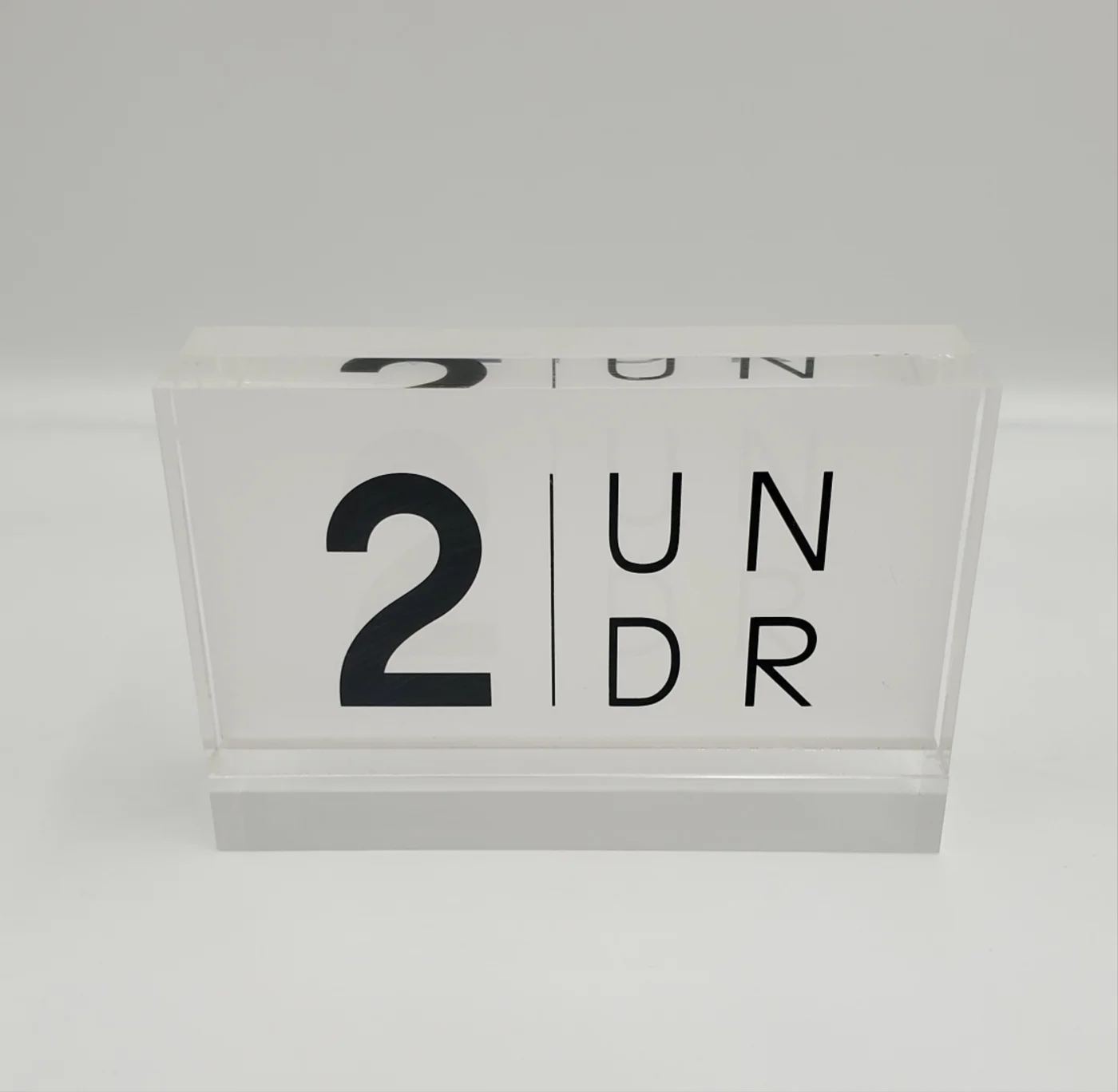
The first question was about the old artwork.
In October 2023, an agency buyer asked whether we still had the files for a display block produced some time earlier. The initial request was for 150 pieces, with sea and air options to Vancouver.
A repeat format brought a familiar starting point, but the order still needed a current quantity and a current shipping plan. The buyer increased the request to 300 pieces on 19 October, and we revised the order accordingly.
A small label request was still open.
After we acknowledged payment for the revised order, the buyer raised another detail: the boxes might need SKU stickers before packing. The buyer said this would be confirmed.
That message is useful precisely because it records an unfinished decision. We can show that labels were raised in the packing discussion; the email record does not establish a final label file or prove that labels were applied to every box.
For a repeat order, keeping this question visible matters as much as keeping the artwork. The receiving process can change even when the display design is familiar.
Thirty cartons, ready for a collection discussion.
At the beginning of November, the buyer introduced the nominated freight contacts. We supplied carton dimensions, weight and total volume, then responded that an LCL shipment was suitable for the proposed booking.
These figures came from our packing information sent to the forwarder. They describe the shipment being coordinated, rather than dimensions measured from the historical product photographs on this page.
- Carton count
- 30
- Each carton
- 29 × 27 × 23 cm
- Weight per carton
- 7 kg
- Total reported weight
- 210 kg
- Reported volume
- About 0.6 m³
The buyer chose the freight partner.
Our role in this exchange was to provide the collection information and connect with the buyer’s local agent. The final message we found, dated 3 November, says we would contact that agent after a missed call.
The record reaches collection coordination. It does not establish that the goods had been picked up, loaded or received in Canada.
The useful lesson for a similar reorder is concrete: review the artwork, revised quantity, box labels and freight contact together before the handover.
Explore product packing considerations