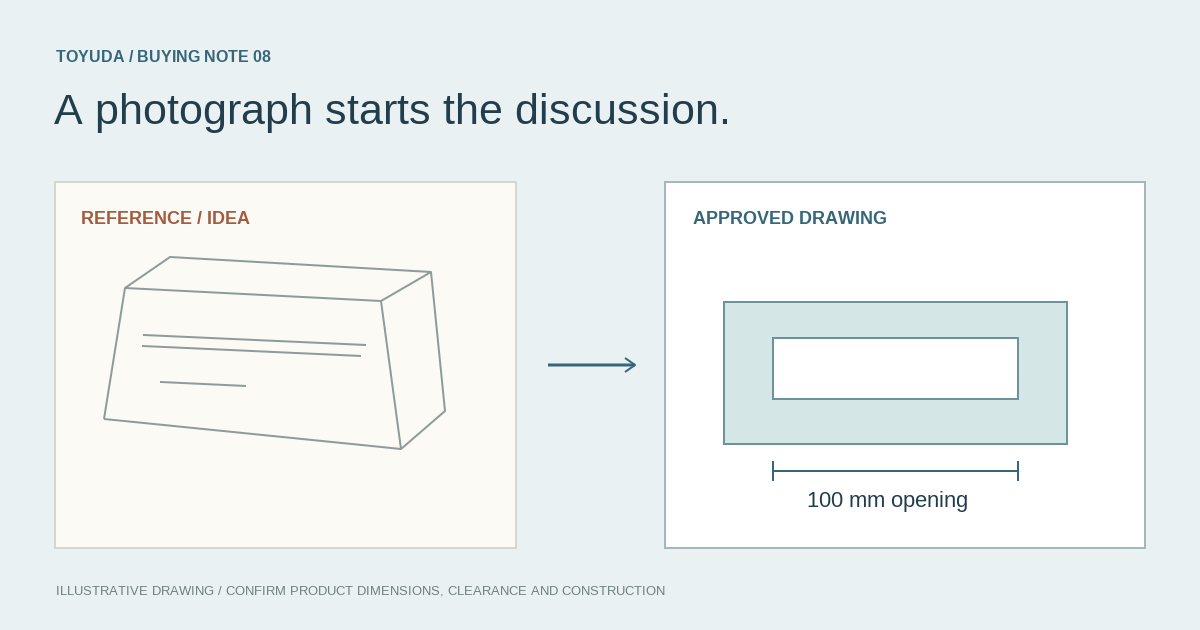
A photograph or sketch can start the project. Approve a dimensioned drawing before production.
Use measurements to settle the fit
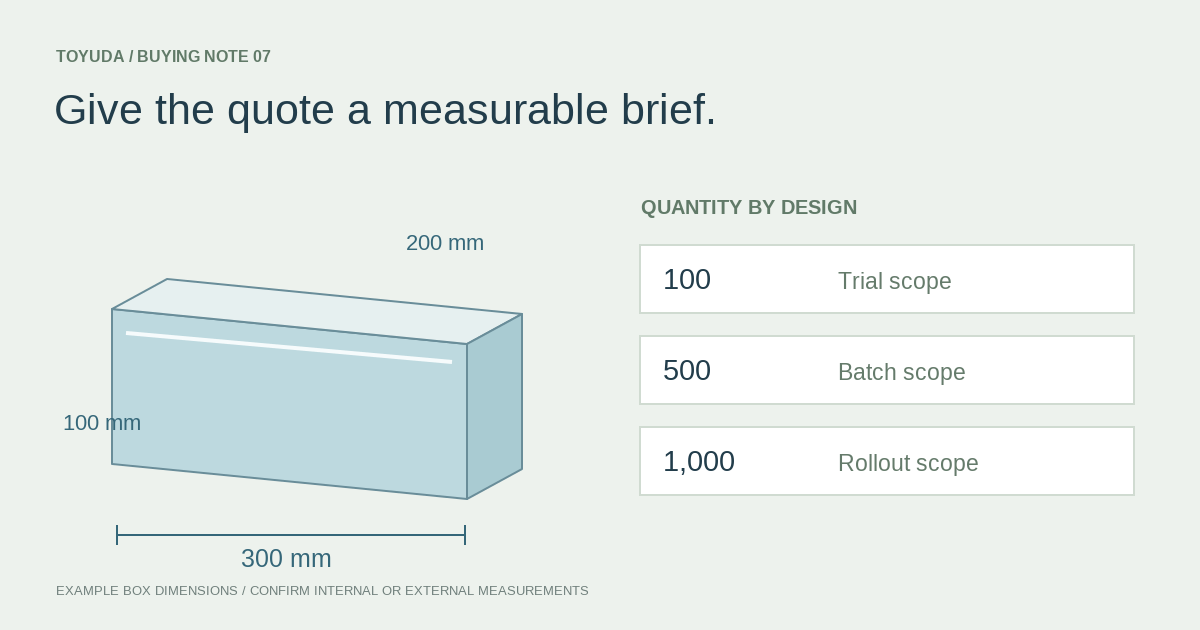
A photograph explains the appearance; a dimensioned drawing establishes whether the part will work. For example, a 102 mm wide product will not fit into a 100 mm slot, even if the opening looks suitable in a photograph.
Share the reference through our custom project process. For a tabletop design, use this logo block reference to show which faces carry artwork and where the block needs to stand.
Compare the construction behind the appearance
Similar-looking products can use different structures. Compare a one-piece bent form with a multi-panel bonded form for seams, fabrication and shipping volume, then choose the construction that suits the project.
What can the reference image tell the supplier?
| Detail | What the image can show | What to add to your brief |
|---|---|---|
| Dimensions and fit | The outline and the relative position of visible parts | Overall and usable dimensions, units and any mating part or product that has to fit |
| Construction | A visible seam, bend, opening or support | How parts should join or open, plus any hidden fixings or assembly constraints |
| Material and finish | The intended colour, clarity or edge appearance | Material, thickness by part and finish to review on the sample |
| Viewing faces | The angle in the photo and the artwork visible from it | Front, back and customer-facing sides, reading direction and visible edges |
Label front, side and rear views if you have them. Add one known measurement to a sketch and provide the critical dimensions directly. Use the production drawing checklist to capture the remaining decisions.
Record drawing and sample approvals separately
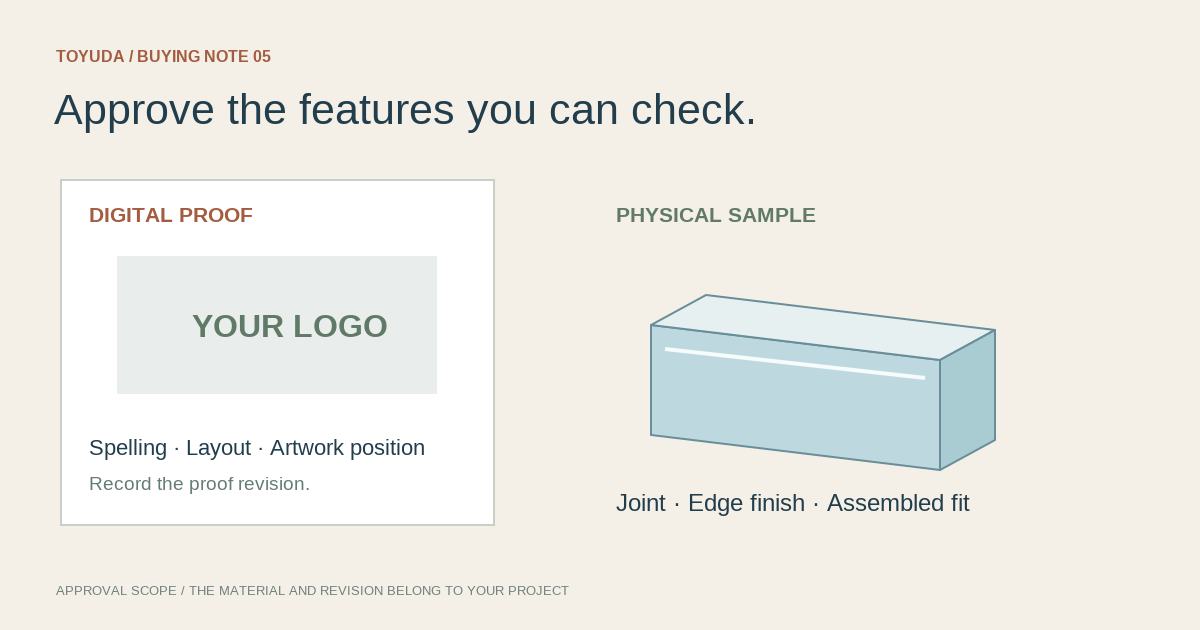
Record drawing approval and sample approval separately. Approve the V1 drawing, then examine the physical sample made to V1. Those two records provide a clearer acceptance basis than an instruction to make it like the photograph.
Apply this guide to your project brief
Mark the usable area and support details on the reference image before reviewing the proposed construction.
- Acrylic display stands
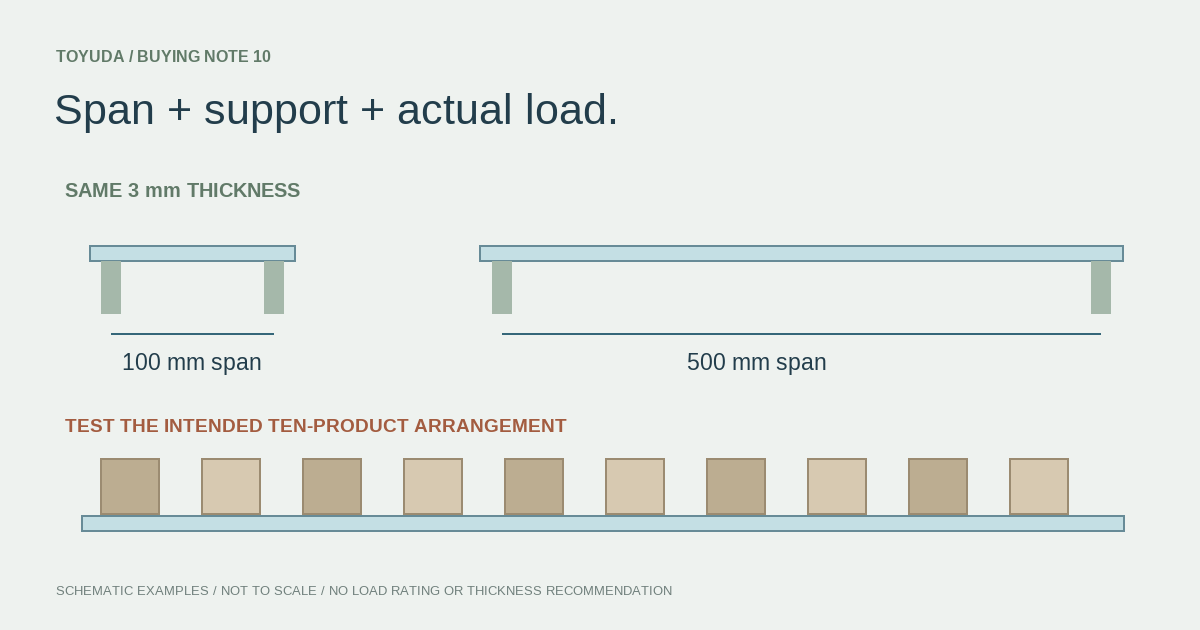
Show the actual item footprint, load and support arrangement in the brief.
- Acrylic signs and holders
Confirm the artwork, viewing direction, insert access and mounting or base requirements.
Prepare your quantity, artwork and delivery details before requesting a quotation.
Compare current product references
Use these formats to apply the guide to a specification. Confirm materials and sample requirements for your project.
- Slotted Acrylic Cap Organizer
Check cap brim fit, spacing and support with the actual items.
- Slotted Acrylic Sports Ball Stand
Compare the ball contact profile and assembled stability with the actual display load.